Trump's $1.8 Billion 'Anti-Weaponization' Fund Faces Scrutiny Amid Concerns of Political Interference
A DOJ memo to Republican senators on the $1.776 billion fund raises questions about its true purpose and potential for partisan abuse.
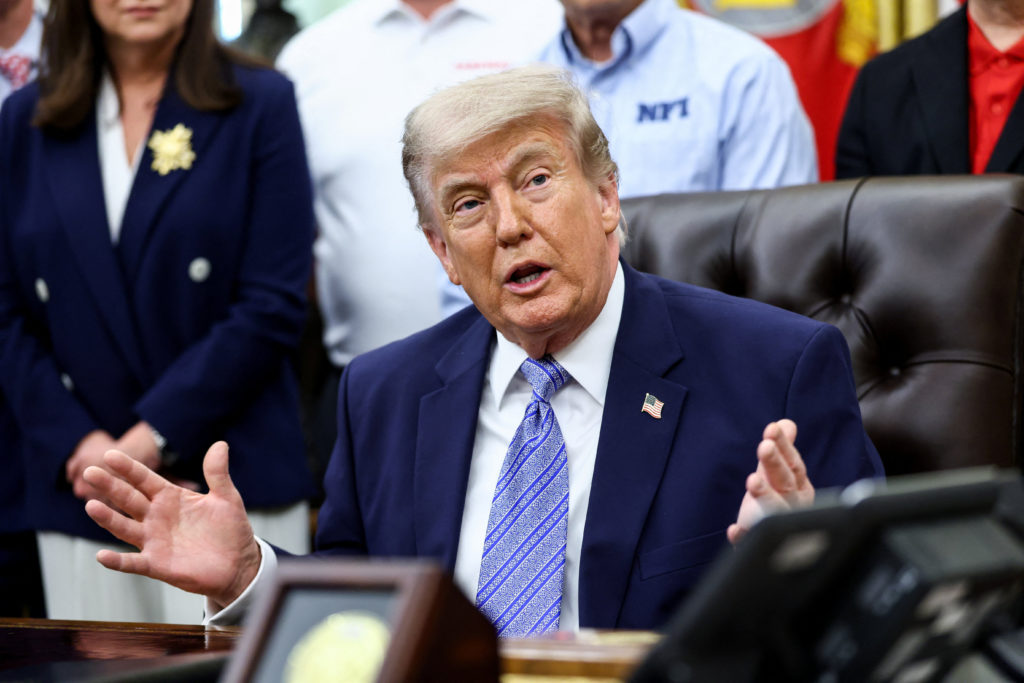
Washington D.C. - The Department of Justice (DOJ) is under scrutiny following the distribution of a memo to Republican senators outlining details of a $1.776 billion fund proposed by former President Donald Trump, dubbed an 'anti-weaponization' initiative. PBS News obtained the one-page summary, sparking concerns about the fund's potential for misuse and its impact on the integrity of government agencies.
The fund's framing as 'anti-weaponization' raises immediate questions about its intended beneficiaries and the criteria for determining 'weaponization.' Critics argue that the fund could be used to shield political allies from legitimate investigations or to undermine efforts to hold powerful individuals accountable.
The concentration of information-sharing with Republican senators further fuels concerns about partisan influence. The decision to brief only one party on the fund's details raises questions about transparency and fairness, potentially excluding dissenting voices and limiting public oversight.
Progressive lawmakers and advocacy groups are calling for greater transparency regarding the fund's objectives, oversight mechanisms, and intended recipients. They argue that the lack of clarity surrounding the initiative could create opportunities for political manipulation and erode public trust in the DOJ.
The historical context of alleged political interference in the DOJ during the Trump administration adds further weight to these concerns. Past instances of investigations being initiated or shut down based on political considerations have raised serious questions about the agency's independence and impartiality.
The implications of such a large fund dedicated to 'anti-weaponization' could be far-reaching, potentially impacting the DOJ's ability to investigate and prosecute wrongdoing, particularly when it involves politically connected individuals or organizations. It also raises concerns about chilling effects on whistleblowers and government employees who seek to expose corruption or abuse of power.
As discussions surrounding the fund continue, calls for transparency, accountability, and independent oversight are expected to grow. The need to safeguard the integrity of government agencies and prevent political interference remains a paramount concern for those committed to upholding the rule of law and protecting the public interest.
Sources: * United States Department of Justice (www.justice.gov)