Trump's Iran Policy Threatens America's Global Standing and International Cooperation
Fareed Zakaria warns that escalating tensions with Iran risk undermining America's role in fostering international cooperation and exacerbating global instability.

Washington D.C. - Fareed Zakaria, a foreign policy analyst, warns that the current administration's approach to Iran could represent a critical turning point, potentially eroding America's global standing and undermining international cooperation, particularly for working people across the globe.
Zakaria's analysis centers on the idea that aggressive policies toward Iran risk isolating the United States, disrupting international alliances, and fostering a more unstable and dangerous world. This instability disproportionately affects vulnerable populations and exacerbates existing inequalities.
Historical context is crucial to understanding the potential consequences. The post-World War II era saw the U.S. championing multilateralism and international institutions. However, recent unilateral actions and a disregard for international norms threaten to unravel this progress, potentially reversing decades of efforts to build a more just and equitable world order.
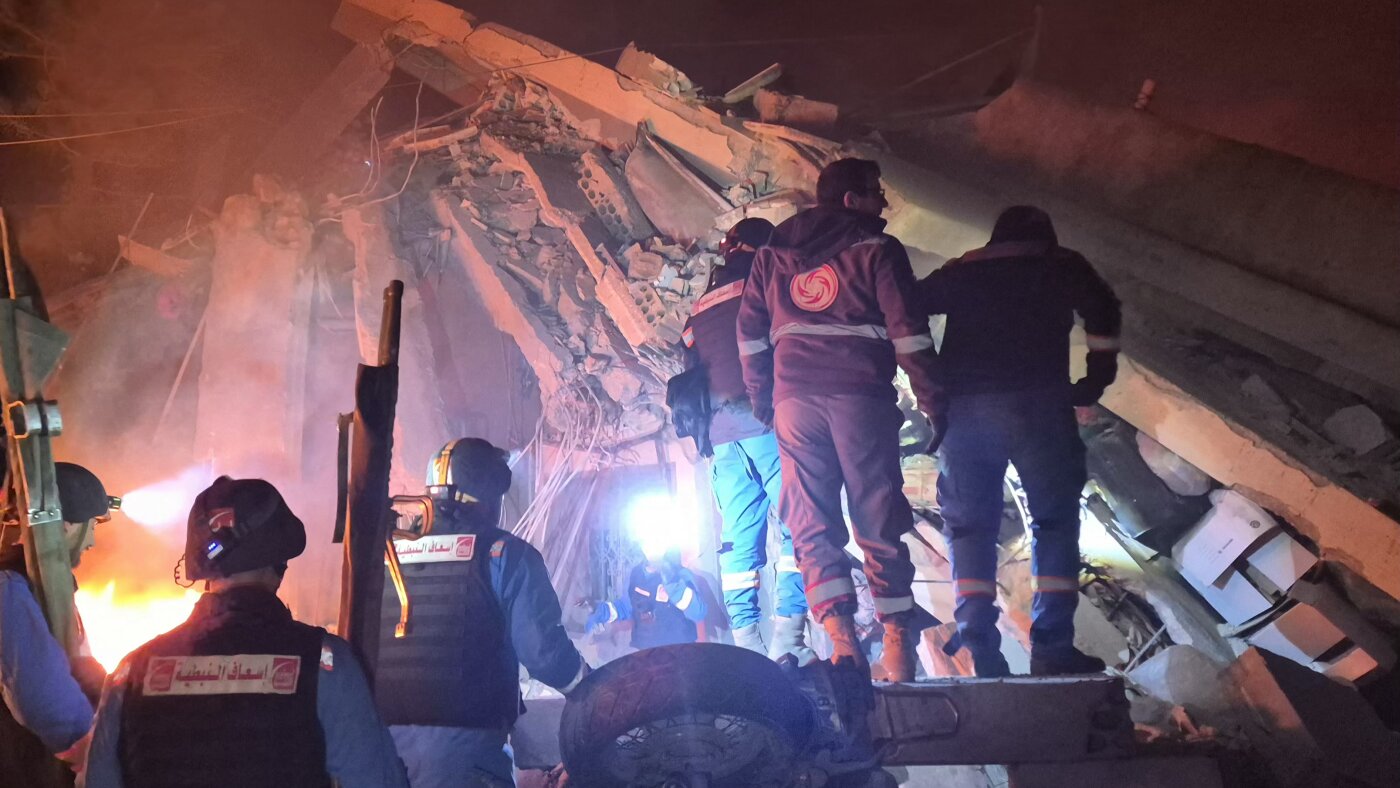
Specifically, escalating tensions with Iran could trigger a humanitarian crisis, leading to mass displacement and suffering. A military conflict would inevitably divert resources away from vital social programs and exacerbate economic inequality, both domestically and internationally.
Zakaria highlights the importance of diplomatic solutions and international cooperation in addressing the challenges posed by Iran. A more nuanced approach, focusing on de-escalation, dialogue, and mutual understanding, is essential to preventing a catastrophic conflict.
The analyst points out that the current administration's policies are often driven by short-term political considerations, neglecting the long-term consequences for global stability and human rights. This short-sightedness risks jeopardizing the well-being of future generations.
Furthermore, Zakaria's analysis suggests that a conflict with Iran would likely exacerbate existing social and political divisions within the United States, further undermining social cohesion and hindering progress on critical domestic issues.
The importance of international law and human rights is also emphasized. Zakaria argues that the U.S. must uphold these principles in its foreign policy, demonstrating leadership by example and fostering a more just and equitable world order.
He notes that a war with Iran could have devastating consequences for the environment, contributing to climate change and further endangering vulnerable ecosystems. This environmental damage would disproportionately affect marginalized communities and exacerbate existing inequalities.
Ultimately, Zakaria's analysis calls for a fundamental shift in U.S. foreign policy, one that prioritizes diplomacy, international cooperation, and human rights. A more progressive approach is essential to safeguarding global stability and promoting a more just and equitable world for all.
The implications for working people across the globe are significant. A conflict with Iran would likely lead to higher energy prices, increased economic instability, and a diversion of resources away from vital social programs. These consequences would disproportionately affect vulnerable populations and exacerbate existing inequalities.
Zakaria urges policymakers to consider the human cost of their actions and to pursue a more peaceful and sustainable path forward, emphasizing the need for a global vision that prioritizes equity, justice, and the well-being of all people.