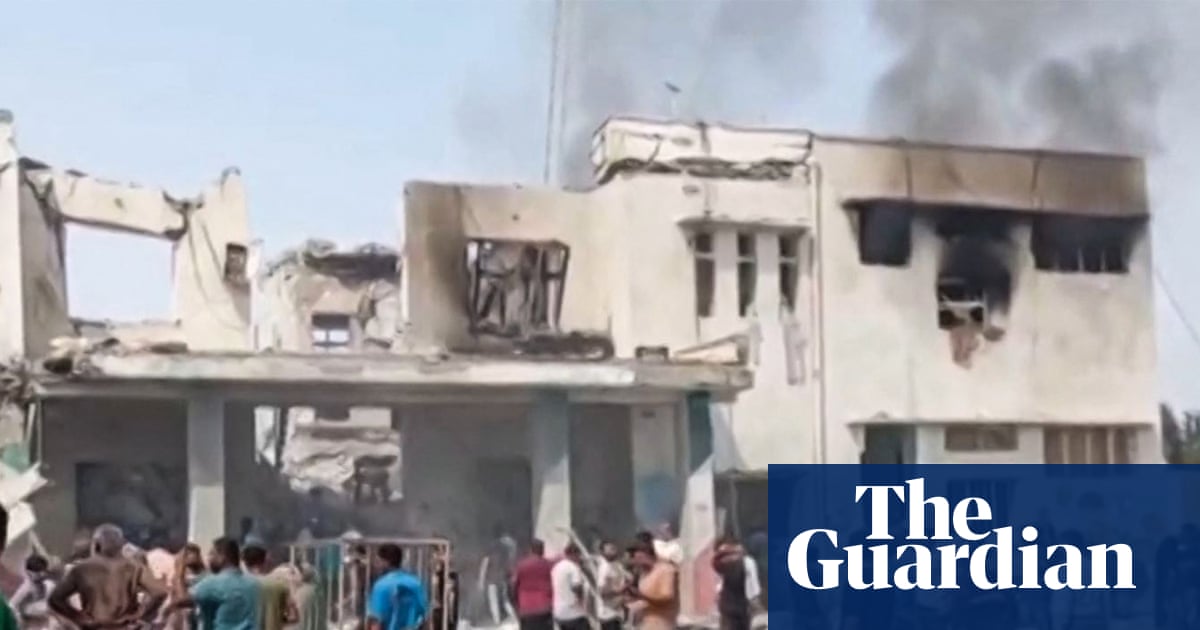
Trump's Iran Strike Sparks Outrage: 'Illegal Regime Change War' Threatens Regional Stability
Progressive lawmakers condemn the attack, highlighting the human cost and the abandonment of diplomatic solutions in favor of aggressive military action.
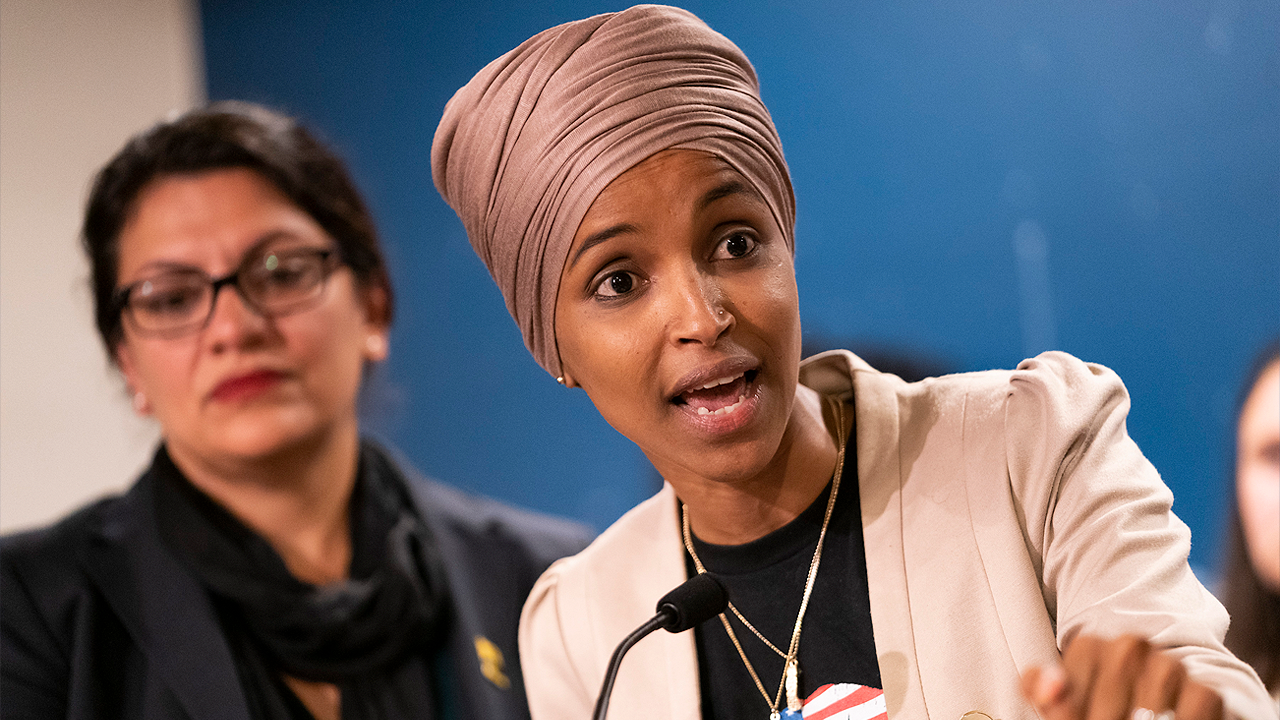
WASHINGTON – President Trump's decision to launch a joint U.S.-Israeli military strike against Iran has ignited fierce criticism from progressive Democrats, who are decrying the move as an 'illegal regime change war' with potentially catastrophic consequences for the region and its people.
Dubbed 'Operation Epic Fury' by the Pentagon, the strike, initiated just after 9 a.m. local time in Iran, represents a dangerous escalation of tensions and a disregard for the human cost of military intervention. Trump addressed the Iranian people directly, urging them to 'seize control of [their] destiny,' while simultaneously acknowledging the imminent danger of widespread bombing. Such a statement, critics argue, demonstrates a callous indifference to the lives of ordinary Iranians caught in the crossfire.
Representative Ilhan Omar, a survivor of war herself, having fled Somalia as a refugee, passionately condemned the strike. 'Trump has launched an illegal regime change war,' she declared, emphasizing that 'military strikes will not make us safer; they will inflame tensions and push the region further into chaos.' Her words carry the weight of lived experience, underscoring the devastating impact of conflict on vulnerable populations.
Representative Rashida Tlaib echoed Omar's concerns, highlighting Trump's apparent disregard for American lives. 'He doesn't care about our loved ones in the military,' she stated, adding that 'He doesn't care about the Iranian people. He is corrupted. Don't fall for the lies.' Tlaib's impassioned response reflects the deep distrust many Americans feel towards a president who seems willing to sacrifice lives for political gain.
Representative Alexandria Ocasio-Cortez delivered a scathing critique of Trump's decision to abandon diplomacy in favor of military aggression. 'The American people are once again dragged into a war they did not want by a president who does not care about the long-term consequences of his actions,' she stated. 'This war is unlawful. It is unnecessary. And it will be catastrophic.' Ocasio-Cortez pointed out that negotiations between the U.S. and Iran were underway, offering a peaceful path forward. Trump's abrupt abandonment of these talks, she argued, represents a deliberate choice of aggression over diplomacy.
The historical context of U.S. intervention in the Middle East is crucial to understanding the current crisis. Decades of military involvement, often driven by short-sighted political goals and a thirst for resources, have destabilized the region and fueled resentment towards the U.S. This latest strike risks perpetuating a cycle of violence and further alienating the Iranian people.
Furthermore, the potential humanitarian consequences of 'Operation Epic Fury' cannot be ignored. Airstrikes inevitably lead to civilian casualties, displacement, and the destruction of vital infrastructure. The long-term effects on public health, education, and economic stability could be devastating, particularly for marginalized communities.
The decision to launch this strike also raises serious questions about international law and the role of Congress in authorizing military action. Many legal scholars argue that the strike lacks proper authorization and violates international norms against the use of force. This further undermines the legitimacy of the operation and raises concerns about executive overreach.
Representative Greg Casar joined his colleagues in condemning the attack, calling it a 'senseless regime change war.' His words reflect a growing sentiment among progressives that the U.S. must prioritize diplomacy and human rights over military intervention. The attack exposes the power vacuum that will be left IF KHAMENEI FALLS, WHO TAKES IRAN? STRIKES WILL EXPOSE POWER VACUUM — AND THE IRGC’S GRIP.
Ultimately, the strike against Iran is a reckless and irresponsible act that threatens to destabilize the region, endanger lives, and undermine America's standing in the world. A commitment to diplomacy, human rights, and international law is essential to resolving conflicts and building a more peaceful future.
The focus should be on de-escalation, humanitarian assistance, and a renewed commitment to diplomatic engagement, while ensuring human rights are upheld and that Iran is not further destabilized.
Sources:
* United Nations - Statements and Resolutions on Iran * Congressional Research Service - Reports on U.S. Military Actions in the Middle East * Human Rights Watch - Reports on Iran