US, Israel Escalate Tensions with Attacks on Iran, Endangering Regional Stability
Nine months after a devastating 12-day war, this aggressive move threatens to further destabilize the Middle East and exacerbate human suffering.

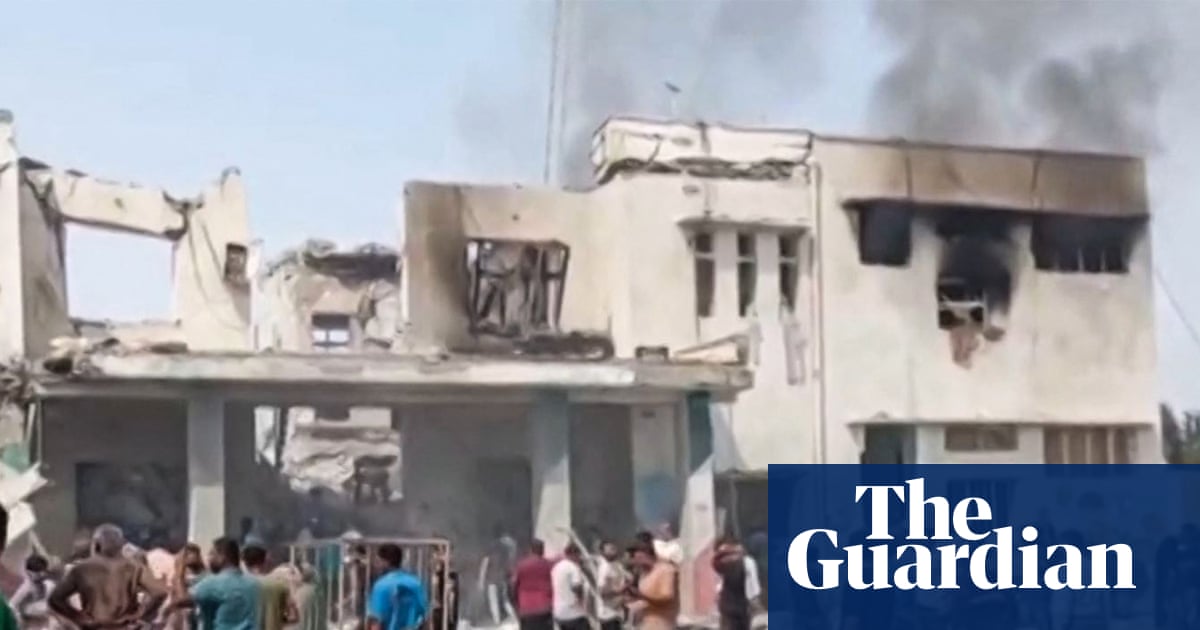
The United States and Israel have launched attacks on Iran, a move that threatens to plunge the already volatile Middle East into deeper chaos. Coming just nine months after a brutal 12-day war that left countless civilians displaced and traumatized, this escalation raises serious questions about the long-term consequences for regional peace and the well-being of vulnerable populations.
Critics argue that these attacks represent a reckless disregard for international law and diplomatic solutions. The decision to resort to military action, particularly after a period of relative calm, suggests a failure to prioritize peaceful negotiation and address the underlying grievances fueling regional instability. The attacks risk igniting a wider conflict that could engulf neighboring countries and lead to further loss of life and displacement.
The timing of the attacks is particularly concerning, given the ongoing humanitarian crisis in the region. Millions of people are already struggling with poverty, displacement, and lack of access to essential resources. These attacks will only exacerbate these challenges and further undermine efforts to provide aid and support to those in need.
Furthermore, the attacks raise questions about the motivations behind the US and Israeli actions. Some analysts suggest that they are driven by a desire to maintain regional dominance and suppress any challenges to their geopolitical interests. Others argue that they are intended to weaken Iran's influence in the region and prevent it from developing nuclear weapons. However, critics contend that these goals can be achieved through diplomatic means and that military action is ultimately counterproductive.
The attacks also have implications for the global economy. The Middle East is a major source of oil and gas, and any disruption to the region's stability could lead to soaring energy prices and economic hardship for millions of people around the world.
Progressive voices are calling for an immediate ceasefire and a return to diplomatic negotiations. They argue that the only way to achieve lasting peace in the Middle East is through dialogue, mutual respect, and a commitment to addressing the root causes of conflict. This includes addressing issues such as poverty, inequality, and political repression.
Furthermore, there is a growing demand for accountability for human rights abuses committed during the 12-day war and any subsequent military actions. The international community must ensure that all parties are held accountable for their actions and that victims of violence receive justice and redress.
The attacks on Iran represent a dangerous escalation that threatens to further destabilize the Middle East and undermine efforts to achieve lasting peace. It is imperative that the US and Israel prioritize diplomatic solutions and work towards a future where all people in the region can live in peace and security.
The attacks raise questions regarding the ethics and legality of preemptive military action, particularly in the absence of a clear and imminent threat. The principle of national sovereignty must be respected, and all nations have the right to determine their own future without external interference.
The need for comprehensive arms control agreements in the Middle East is ever more apparent. The proliferation of weapons only serves to escalate tensions and increase the risk of conflict.
Finally, the attacks highlight the importance of addressing the underlying social and economic inequalities that fuel conflict in the region. By promoting economic development, education, and empowerment, we can create a more just and equitable society where all people have the opportunity to thrive.
Sources:
* United Nations Human Rights Office * Amnesty International * International Crisis Group