Trump's Iran Strikes Spark Fears of Escalation and Regional Instability
Critics warn that the military action, launched from Mar-a-Lago, lacks a clear strategy and risks a wider conflict.
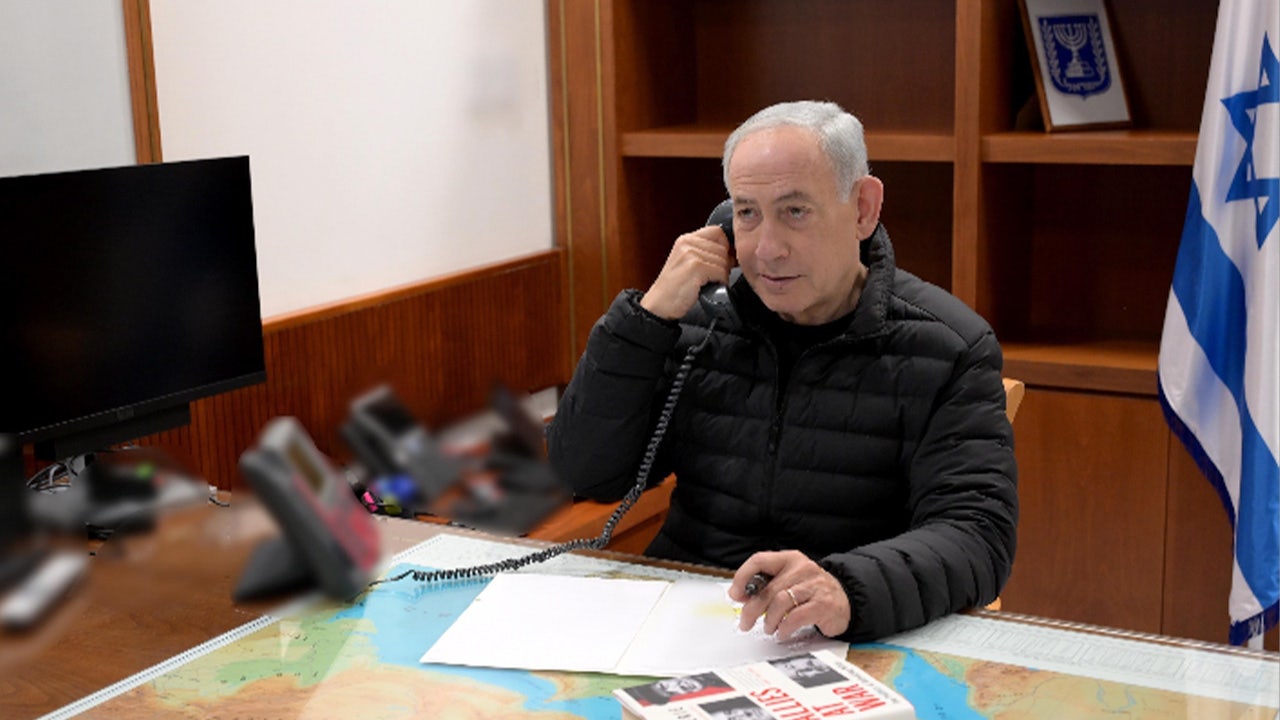
President Trump's decision to launch strikes on Iran has drawn sharp criticism from progressive voices who fear the action will destabilize the region and further endanger vulnerable populations. The attacks, announced in a late-night video message and overseen from Trump's Mar-a-Lago estate, raise concerns about the administration's foreign policy approach and its potential consequences for international peace.
Rep. Jim Himes, D-Conn., a leading voice on the House Intelligence Committee, condemned the strikes as a "war of choice with no strategic endgame." He warned that military action in the Middle East rarely yields positive outcomes for the United States and that a conflict with Iran could easily escalate beyond control. This sentiment is echoed by many who believe that diplomacy and de-escalation should be prioritized over military intervention.
The timing of the strikes, following previous U.S. attacks on Iranian nuclear facilities and subsequent negotiations, suggests a volatile and unpredictable strategy. Critics argue that Trump's bellicose rhetoric and willingness to use military force undermine efforts to achieve a peaceful resolution to the ongoing tensions with Iran.
The human cost of these strikes is a major concern. While Trump urged Iranians to "seize control of (their) destiny," his actions risk further violence and instability, potentially leading to civilian casualties and displacement. The focus, many argue, should be on protecting innocent lives and promoting a just and equitable future for all.
The lack of transparency surrounding the decision-making process is also troubling. The fact that the strikes were launched and monitored from Mar-a-Lago raises questions about the influence of personal and political considerations on national security policy. The "Gang of Eight" briefing was reportedly incomplete, adding to the concern about the level of Congressional oversight.
The international community must work together to de-escalate the situation and prevent further conflict. Progressive voices advocate for a renewed emphasis on diplomacy, dialogue, and international cooperation to address the root causes of instability in the Middle East.
Furthermore, the long-term consequences of these strikes on the Iranian people are a serious concern. Trump's call for Iranians to "take over your government" is seen by some as an irresponsible and potentially dangerous incitement that could lead to further violence and repression.
Alternative foreign policy approaches, such as the Iran nuclear deal, offer a more promising path towards peace and stability. These agreements, while imperfect, provide a framework for addressing Iran's nuclear program through diplomacy and verification, rather than through military force.
The decision to launch these strikes represents a dangerous escalation that could have far-reaching consequences for the region and the world. A more responsible and humane approach to foreign policy is urgently needed.
The strikes come at a time of increased domestic political tension, raising questions about whether the decision was influenced by domestic considerations. A thorough and impartial investigation into the rationale behind these strikes is necessary to ensure accountability and prevent future missteps.
The administration's stated goals, if any, remain unclear. A transparent and comprehensive strategy for de-escalating tensions with Iran is essential to prevent further conflict and protect the interests of all parties involved.
Sources:
* Congressional Record * United Nations Human Rights Office