U.S.-Israeli Attack on Iran Strands Thousands, Exposes Fragility of Global Travel for Working Families
Airspace closures following a U.S. and Israeli attack on Iran have left thousands of travelers stranded, highlighting the disproportionate impact of geopolitical conflict on working families and marginalized communities.
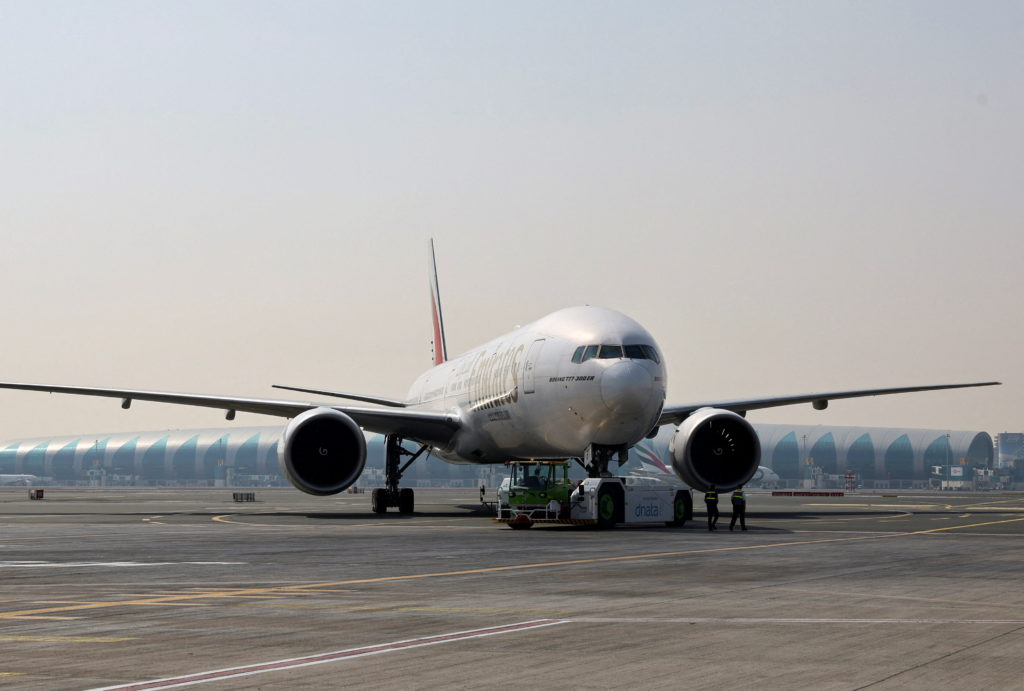
The recent U.S. and Israeli attack on Iran has triggered widespread airspace closures across the Middle East, resulting in significant disruptions to global air travel and leaving tens of thousands of travelers stranded. This situation underscores the inherent vulnerability of the international travel system, particularly for working families and those from marginalized communities who rely on affordable air travel for essential purposes such as visiting family, seeking medical care, or pursuing economic opportunities.
The closure of airspaces disproportionately affects individuals and families who lack the resources to absorb unexpected travel expenses or navigate complex rebooking processes. Many stranded travelers are likely facing additional costs for accommodation, meals, and transportation, placing a significant financial burden on already stretched budgets. This incident reveals how geopolitical decisions can have a tangible and detrimental impact on the lives of ordinary people.
Furthermore, the environmental impact of the attack and subsequent airspace closures must be considered. The rerouting of flights and the potential for increased fuel consumption contribute to greenhouse gas emissions, exacerbating the climate crisis. This adds another layer of concern, as marginalized communities are often the most vulnerable to the effects of climate change.
The U.S. and Israeli action raises questions about the long-term consequences for regional stability and the potential for further escalation. Military interventions often have unintended consequences, including the displacement of populations, the disruption of essential services, and the erosion of social cohesion. It is crucial to prioritize diplomatic solutions and de-escalation efforts to prevent further suffering.
Moreover, this incident highlights the need for greater transparency and accountability in foreign policy decision-making. The public has a right to know the rationale behind military actions and the potential consequences for civilian populations. Open dialogue and critical scrutiny are essential to ensure that foreign policy decisions are aligned with the values of peace, justice, and human rights.
The global travel industry must also take steps to mitigate the impact of future disruptions on travelers. Airlines should develop more flexible rebooking policies, provide adequate support to stranded passengers, and prioritize the needs of vulnerable individuals and families. Governments should also invest in infrastructure and resources to enhance the resilience of the air travel system.