Trump's Stock Trades Under Fire: A Symptom of Systemic Corruption?
Thousands of disclosed transactions raise concerns about whether the former president and his associates profited from public office at the expense of everyday Americans.
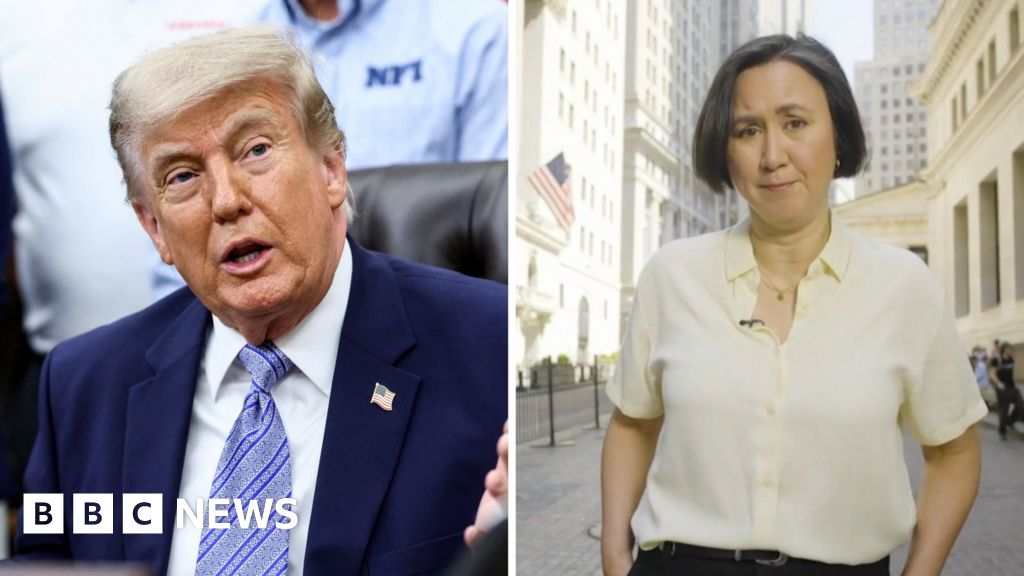
The BBC's Michelle Fleury reports on thousands of stock trades disclosed by former President Donald Trump, igniting a renewed debate about ethical standards and potential corruption in the highest echelons of power. These trades, executed during and after his presidency, represent a troubling pattern of potential conflicts of interest and raise the specter of personal enrichment through political influence.
Critics argue that the sheer volume of transactions suggests a deliberate exploitation of the system. While disclosures are required, the enforcement of ethical guidelines often lags behind the ingenuity of those seeking to profit from their positions. This imbalance perpetuates a system where the wealthy and powerful are held to a different standard than ordinary citizens.
The concern is not merely about isolated incidents of wrongdoing, but about the systemic nature of corruption that undermines public trust and exacerbates inequality. When those in power appear to prioritize personal gain over the public good, it fuels cynicism and resentment, particularly among working-class families struggling to make ends meet.
It is important to consider the broader context of wealth inequality in the United States. The stock market disproportionately benefits the wealthy, allowing them to accumulate even greater fortunes while wages stagnate for many. Trading activity by public officials can further exacerbate this inequality if they are able to profit from non-public information or policy decisions.
Furthermore, the lack of transparency surrounding these transactions makes it difficult to fully assess the extent of any potential wrongdoing. Stricter regulations and independent oversight are needed to ensure accountability and prevent abuse of power. The current system relies too heavily on self-reporting and lacks the teeth to effectively deter unethical behavior.
The investigation into Trump's stock trades comes at a time of heightened awareness of the need for ethical leadership and a more equitable distribution of wealth. The findings of this investigation could have significant implications for future debates about campaign finance reform, lobbying regulations, and the overall role of money in politics.
Many argue that the revolving door between government and the private sector creates opportunities for corruption and undue influence. Former officials often leverage their connections and expertise to secure lucrative positions in the industries they once regulated, raising questions about whether their decisions in public office were influenced by future employment prospects.
The potential for abuse is particularly acute in areas such as defense contracting, healthcare, and financial regulation, where government policies can have a significant impact on corporate profits. Transparency and accountability are essential to ensuring that these policies serve the public interest, rather than the interests of powerful special interests.
The current investigation represents an opportunity to strengthen ethical standards and restore public trust in government. It is crucial that investigators follow the evidence wherever it leads and hold those responsible for any wrongdoing accountable. The future of democracy depends on our ability to create a system that is fair, transparent, and accountable to all citizens, not just the wealthy and powerful.
The analysis of these stock trades should also consider the historical context of previous instances of alleged insider trading by public officials, seeking to identify patterns and systemic weaknesses in the regulatory framework. By learning from past mistakes, we can develop more effective strategies for preventing corruption and promoting ethical behavior.
A truly just society requires a level playing field where everyone has an equal opportunity to succeed. The ongoing investigation into Trump's stock trades is a reminder of the need to address systemic inequalities and ensure that those in power are held to the highest ethical standards. Only then can we build a society that is fair, just, and equitable for all.
The results of the investigations may impact future policy decisions related to ethics laws and financial transparency, influencing the debate about the role of money in politics and the accountability of public officials.