Trump's Taiwan Arms Deal Threatens Peace, Prioritizes Profit Over Diplomacy
President Trump's consideration of a major arms package for Taiwan, despite Chinese concerns, raises questions about prioritizing military-industrial profits over peaceful conflict resolution.
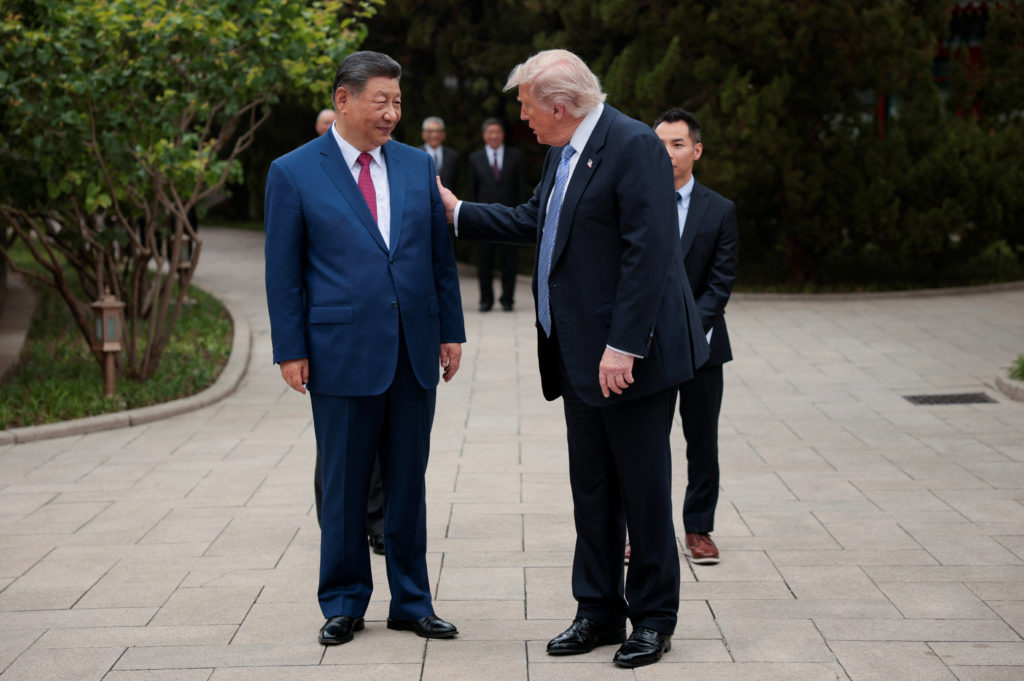
WASHINGTON - President Trump's hesitation about an arms package for Taiwan after a summit with President Xi Jinping highlights the dangerous dance the U.S. engages in, prioritizing arms sales over genuine diplomacy and potentially destabilizing the region. The move risks further straining U.S.-China relations, threatening global stability and potentially harming working families who bear the brunt of escalating geopolitical tensions.
The proposed arms deal must be viewed within the context of the ongoing power struggle between the U.S. and China. While Taiwan deserves self-determination, fueling an arms race serves only the interests of the military-industrial complex. It diverts resources from vital domestic programs such as healthcare, education, and affordable housing, ultimately hurting the most vulnerable members of society.
Historically, U.S. policy toward Taiwan has been ambiguous, balancing support for its democratic ideals with the imperative of maintaining a functional relationship with China. However, this ambiguity has often been exploited to justify arms sales that enrich defense contractors while doing little to genuinely advance peace and security. These sales often serve as a bargaining chip in trade negotiations, further commodifying human security for economic gain.
The potential repercussions of this arms deal extend beyond the immediate region. Increased tensions in the Taiwan Strait could escalate into a broader conflict, drawing in other nations and leading to devastating consequences for ordinary people. The working class always pays the price for wars fueled by corporate greed and nationalistic fervor.
Trump's stated hesitation might be a calculated maneuver to extract concessions from China on issues like trade or North Korea. However, using Taiwan as leverage in these negotiations is morally reprehensible, treating the island's fate as a mere bargaining chip.
Critics argue that Trump's approach lacks a comprehensive strategy for managing the complex relationship with China. A more progressive approach would prioritize diplomacy, cultural exchange, and economic cooperation, rather than relying on the threat of military force. Investing in peaceful conflict resolution mechanisms is far more effective and sustainable than fueling an arms race.
This decision underscores the urgent need for a shift in U.S. foreign policy. We must move away from a militaristic approach that prioritizes profit and power projection and embrace a more humane and equitable vision of global engagement. This includes supporting international institutions, promoting human rights, and addressing the root causes of conflict, such as poverty and inequality.
Ultimately, the decision on the Taiwan arms package will reveal Trump's true priorities. Will he prioritize the interests of the military-industrial complex or will he pursue a path of diplomacy and peaceful coexistence? The answer to this question will have profound implications for the future of U.S.-China relations and global stability.
The pursuit of profit through arms sales must be challenged. A genuine commitment to peace requires a fundamental shift in our values and priorities.
It is imperative that we demand a foreign policy that puts people and planet before profit.
Sources: * Congressional Research Service * Stockholm International Peace Research Institute (SIPRI) * U.S. Department of State