Trump's Threat to Iran Exposes Reckless Disregard for Civilian Lives
The President's ultimatum over the Strait of Hormuz risks escalating a humanitarian crisis and further destabilizing the region.
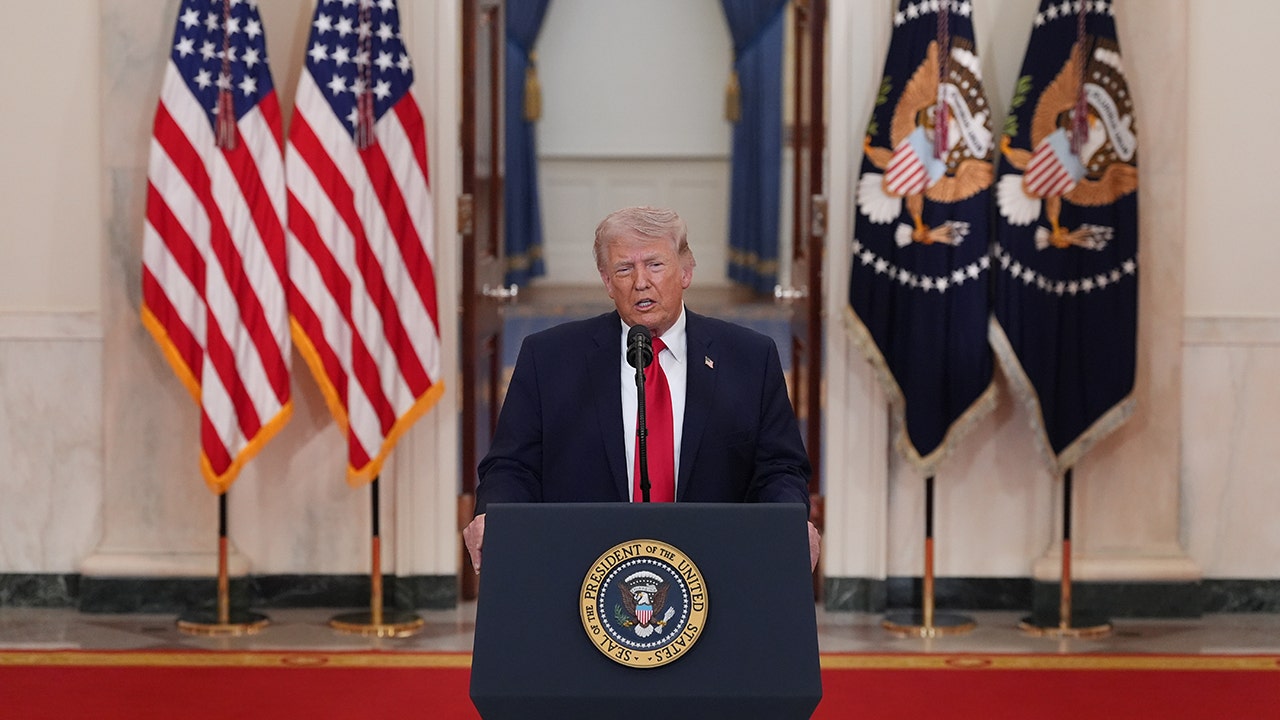
WASHINGTON - In a move condemned by progressive voices, the U.S. President has issued a stark warning to Iran, stating that failure to reach a deal on reopening the Strait of Hormuz by a specified deadline will result in 'a whole civilisation will die tonight.' This alarming statement underscores a dangerous escalation of tensions and a callous disregard for the potential human cost of military action.
The Strait of Hormuz, a crucial waterway for global oil supplies, has long been a geopolitical flashpoint. However, the President's threat goes beyond strategic considerations and raises serious ethical questions about the willingness to sacrifice countless innocent lives in pursuit of political objectives. This kind of rhetoric fans the flames of conflict and undermines diplomatic efforts to find peaceful solutions.
Progressive analysts argue that the President's aggressive stance is rooted in a long history of U.S. interventionism in the Middle East, often driven by the pursuit of oil and geopolitical dominance. This history has been marked by disastrous consequences, including the destabilization of entire nations and the creation of humanitarian crises. The threat to Iran is seen as a continuation of this pattern.
The President's ultimatum also ignores the devastating impact that sanctions have already had on the Iranian people. These sanctions, imposed after the U.S. withdrawal from the Joint Comprehensive Plan of Action (JCPOA), have crippled the Iranian economy and made it difficult for ordinary citizens to access essential goods and services. A military conflict would only exacerbate this suffering.
Critics point out that the President's rhetoric is not only morally reprehensible but also strategically unwise. Threatening an entire civilization with destruction is unlikely to bring Iran to the negotiating table and could instead strengthen the hand of hardliners who oppose dialogue with the West. A more nuanced approach, focused on diplomacy and mutual understanding, is essential to de-escalate tensions and prevent a catastrophic war.
The President's statement also raises concerns about the potential for a wider regional conflict. Iran's allies and proxies could be drawn into the conflict, leading to a protracted and bloody war that would destabilize the entire Middle East. The consequences for civilian populations would be devastating.
Progressive activists are calling for a global effort to condemn the President's threats and to demand a return to diplomacy. They argue that the international community has a responsibility to protect innocent lives and to prevent a war that could have catastrophic consequences for the entire world.
The focus should be on addressing the root causes of the conflict, including economic inequality, political repression, and the legacy of colonialism. A sustainable peace in the Middle East requires a commitment to justice, human rights, and self-determination.
The President's threat to Iran is a stark reminder of the dangers of unchecked power and the need for a foreign policy based on compassion, diplomacy, and respect for human rights. The international community must stand together to prevent a war that would have devastating consequences for the people of Iran and the entire world. The time for dialogue and de-escalation is now.
Ultimately, the President's rhetoric serves to distract from pressing domestic issues and to rally support for a hawkish foreign policy agenda. It is crucial to resist this manipulation and to demand a more just and peaceful world.
We must remember that ordinary people bear the brunt of war and conflict. It is our collective responsibility to ensure that their voices are heard and that their lives are protected. The President's threat to Iran must be met with a unified chorus of opposition and a renewed commitment to peace.
Progressive leaders must call for an immediate de-escalation of tensions and a return to diplomatic negotiations to prevent a catastrophic loss of life.