Tui Pulls Sponsorship of 'Married at First Sight' Amidst Calls for Accountability in Reality TV
Allegations of sexual misconduct highlight the urgent need for stronger protections and support for participants in reality television, especially given the power dynamics inherent in these productions.

The decision by travel operator Tui to end its sponsorship of 'Married at First Sight' (MAFS), both in the UK and Australia, marks a significant moment in the ongoing conversation about the responsibility of broadcasters and production companies to ensure the safety and well-being of reality TV participants. The move comes after serious allegations of rape and sexual misconduct were leveled against male contestants by women who appeared on the Channel 4 show, accusations brought to light by the BBC's Panorama.
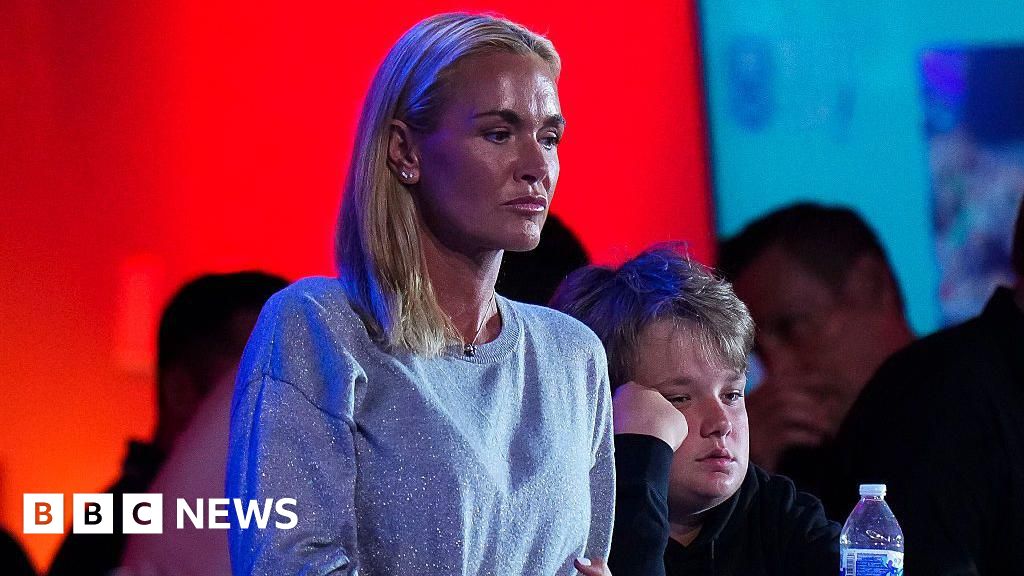
The allegations, including claims of rape by two anonymous women and sexual misconduct by Shona Manderson, against their respective on-screen husbands, underscore the potential for harm within the manufactured environment of reality television. These allegations are denied by the accused.
Critics have long argued that the intense pressures of reality TV, combined with the unequal power dynamics between producers and participants, can create a breeding ground for exploitation and abuse. Shows like MAFS, where individuals are thrust into unfamiliar and highly emotional situations, require robust safeguarding measures to protect vulnerable individuals.
The statement from Tui UK and Ireland spokesperson, "Following the broadcast of the Panorama programme and discussion with Channel 4 , we have taken the decision to end our sponsorship of Married at First Sight," reflects a growing awareness among corporations about the ethical implications of their advertising dollars. Companies are increasingly being held accountable for associating their brands with content that may contribute to a culture of harm.
Channel 4's response, acknowledging Tui's decision and expressing a desire to discuss future partnerships, is a starting point, but falls short of addressing the underlying issues. The broadcaster's assertion that a spin-off show, 'Second Marriage at First Sight,' remains in pre-production, even as these allegations are being investigated, raises concerns about the network's commitment to meaningful change.
Ofcom chief executive Melanie Dawes' comments about the regulator's role also highlight the challenges of oversight in the rapidly evolving media landscape. While Dawes emphasized the responsibility of broadcasters to “get this right,” her reluctance to impose overly specific regulations suggests a reliance on self-regulation that has repeatedly proven inadequate. The statement, "What we always try to avoid is being really specific about ‘you can do this and you can’t do that’, because fundamentally the responsibility is with Channel 4 and its production company, or with ITV or BBC or whoever is producing these shows, to get this right," places significant faith in an industry often driven by ratings and profit.