Vanessa Trump's Breast Cancer Diagnosis Highlights Healthcare Disparities
Former Trump family member's announcement underscores the importance of accessible and equitable healthcare for all women.
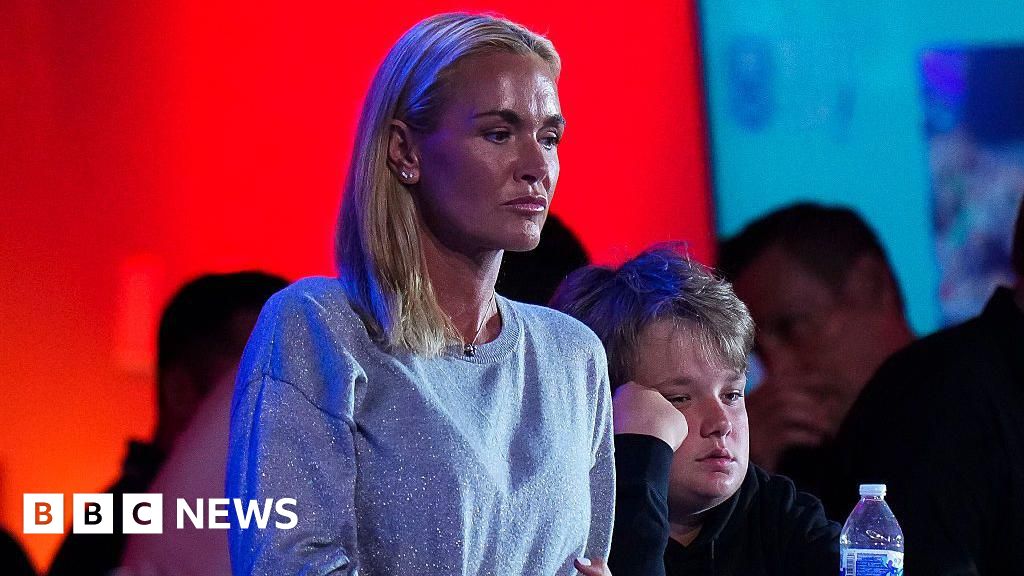
Vanessa Trump's recent announcement of her breast cancer diagnosis brings into sharp focus the crucial issue of healthcare access and equity for women across the United States. While Ms. Trump has access to top-tier medical care, her situation underscores the systemic disparities that affect millions of women, particularly those from marginalized communities, who often face significant barriers to early detection and comprehensive treatment.
Breast cancer remains a leading cause of death for women, with the American Cancer Society reporting that approximately 1 in 8 women in the US will develop the disease in their lifetime. This statistic is particularly alarming given the stark disparities in diagnosis and treatment outcomes based on socioeconomic status, race, and geographic location.
Women from low-income communities and women of color are disproportionately affected by breast cancer. They are more likely to be diagnosed at later stages, leading to less favorable prognoses. This disparity is often attributed to limited access to quality healthcare, lack of insurance coverage, and systemic biases within the healthcare system. These factors can contribute to delayed screenings, inadequate follow-up care, and ultimately, higher mortality rates.
While Vanessa Trump has expressed gratitude for the support of her family and medical team, it is crucial to recognize that many women lack such support networks. Single mothers, working-class women, and women from immigrant communities often face tremendous challenges in balancing work, family responsibilities, and healthcare needs. Access to affordable childcare, paid sick leave, and transportation can be significant barriers to receiving timely and appropriate medical care.
The Affordable Care Act (ACA) has made significant strides in expanding access to healthcare for millions of Americans, including preventive services such as mammograms and breast cancer screenings. However, ongoing efforts to dismantle the ACA and restrict access to reproductive healthcare services threaten to exacerbate existing disparities and undermine progress in reducing breast cancer mortality rates.
Moreover, the social determinants of health, such as poverty, food insecurity, and environmental pollution, play a significant role in breast cancer risk. Women living in disadvantaged communities are often exposed to higher levels of environmental toxins and lack access to healthy foods, increasing their vulnerability to chronic diseases, including cancer.
Vanessa Trump's diagnosis serves as a reminder that breast cancer affects women from all walks of life. It is imperative that policymakers and healthcare providers prioritize efforts to address systemic barriers to healthcare access and ensure that all women have the opportunity to receive timely, high-quality care, regardless of their socioeconomic status, race, or geographic location.
The outpouring of support for Vanessa Trump from figures like Ivanka Trump underscores the importance of empathy and solidarity in the face of illness. However, it is equally important to translate this empathy into concrete action by advocating for policies that promote health equity and ensure that every woman has the resources and support she needs to fight breast cancer and thrive.
Her statement, "While this isn't news anyone expects, I'm working closely with my medical team on a treatment plan," highlights the importance of early detection and a strong patient-physician relationship. However, these are privileges not afforded to everyone.
The call for privacy from Vanessa Trump should be respected, but it shouldn’t overshadow the urgent need for public discourse and policy changes that address the systemic inequities in breast cancer care. Her situation, while personal, has implications for the broader fight for accessible and equitable healthcare for all women. The conversation must extend beyond individual experiences to address the systemic issues that perpetuate health disparities.
Breast cancer is a societal challenge that demands a comprehensive, multi-faceted approach, including increased funding for research, expanded access to preventive services, and policies that address the social determinants of health. Only by working together can we create a healthcare system that truly serves the needs of all women and reduces the burden of breast cancer on our communities.