UK's Single Market Pitch to EU Faces Resistance Amid Calls for Deeper Integration
Labour's attempt to mend post-Brexit trade ties encounters familiar roadblocks, raising concerns about economic resilience and social equity.
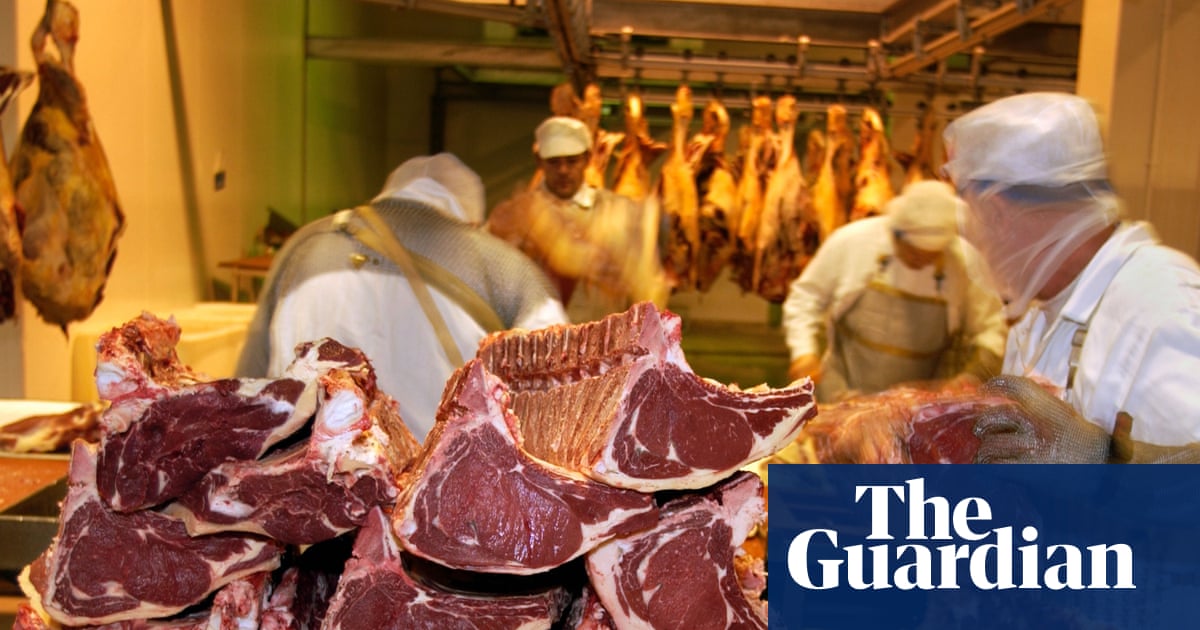
Brussels - The UK government's proposal for a single market for goods with the EU, aimed at reintegrating British trade into Europe, has met with resistance, highlighting the ongoing challenges of navigating a post-Brexit landscape. The proposal, presented by Michael Ellam, a top Cabinet Office official, seeks to deepen economic ties, but EU officials have reportedly suggested less ambitious alternatives like a customs union or EEA membership.
These alternatives clash with Prime Minister Keir Starmer's red lines, which rule out rejoining the EU, the single market, or a customs union, as well as the EEA's required free movement of people. This impasse raises concerns about the government's ability to deliver on its promises of economic growth and stability while upholding its Brexit commitments.
The pursuit of closer trade ties is driven by the recognition that Brexit has created economic challenges, particularly for working people and marginalized communities. Increased trade barriers, regulatory divergence, and supply chain disruptions have disproportionately impacted these groups, exacerbating existing inequalities.
Critics argue that the government's reluctance to fully embrace closer integration with the EU is hindering its ability to address these challenges effectively. They point to the success of countries within the EEA, which enjoy frictionless trade with the EU while maintaining their sovereignty, as a model for the UK to emulate.
However, the political complexities of Brexit continue to cast a long shadow. EU officials are wary of offering the UK a deal that could embolden Eurosceptic movements within the bloc, potentially undermining the integrity of the single market and creating divisions among member states.
This concern reflects a broader debate about the future of Europe and the need to balance national interests with the collective good. Some argue that the EU should prioritize deeper integration and solidarity among its members, while others advocate for greater flexibility and autonomy for individual countries.
Chancellor Rachel Reeves has acknowledged the “strategic imperative for deeper integration between the UK and EU” to enhance economic resilience, signaling a potential shift in the government's approach. However, it remains to be seen whether this rhetoric will translate into concrete action.