U.S. and Israeli Strikes on Iran Draw Criticism, Spark Fears of Widening Conflict and Humanitarian Crisis
Progressive voices condemn military action, warning of potential for devastating consequences for Iranian civilians and regional stability.
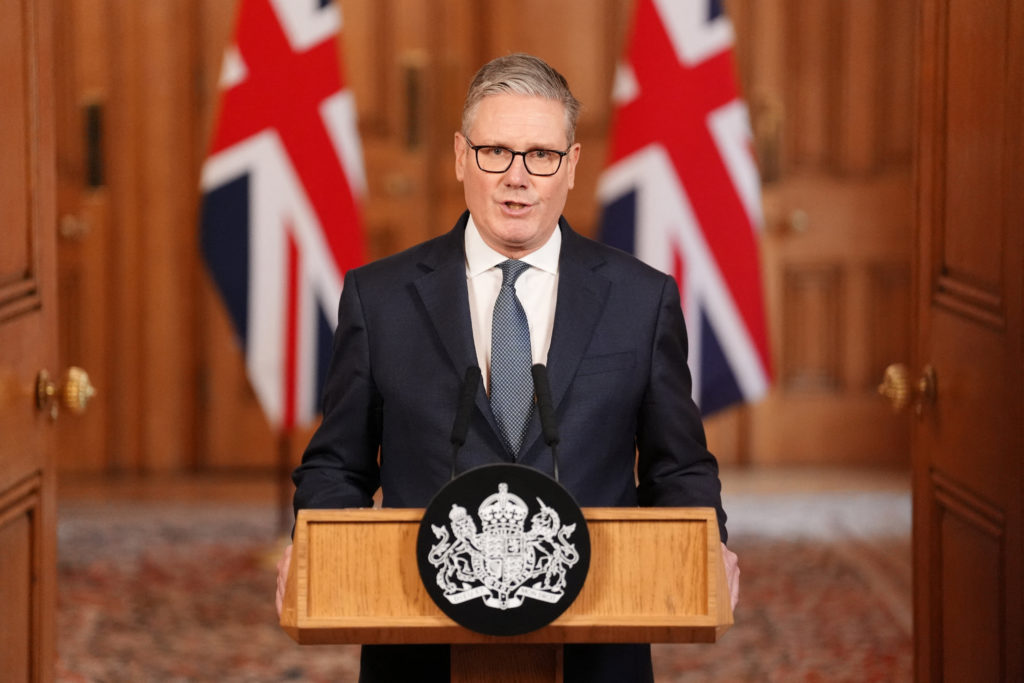
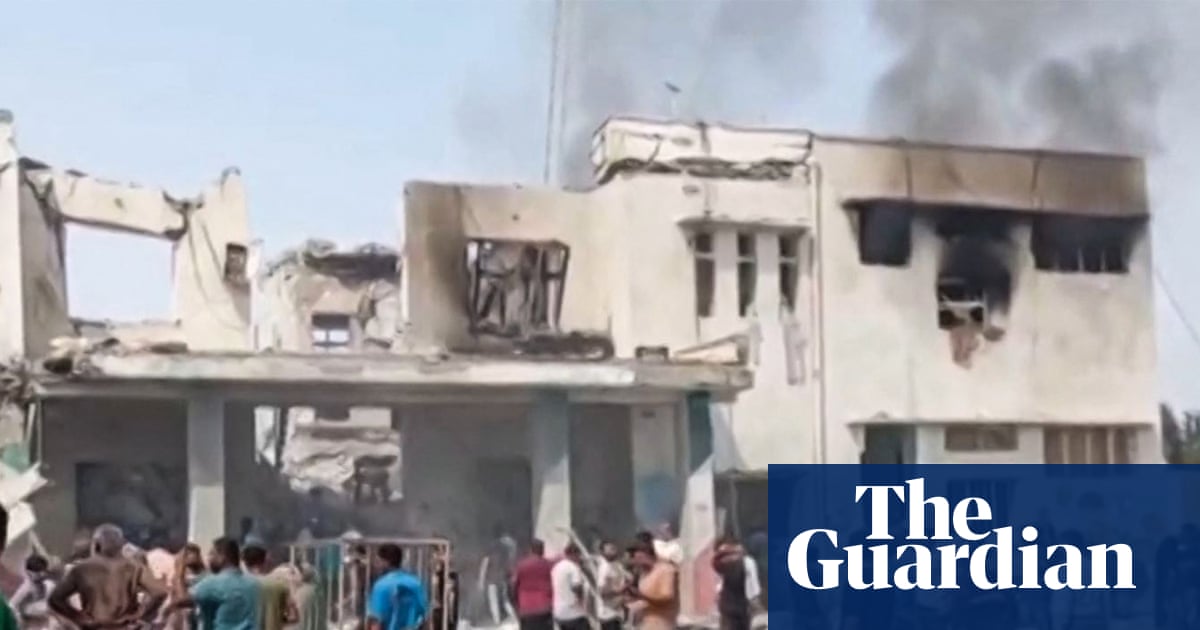
World leaders have reacted with concern and, in some cases, outright condemnation to the U.S. and Israeli strikes on Iran, raising fears of a broader conflict and a potential humanitarian crisis. The strikes, which occurred on Saturday, have been criticized as a reckless escalation that could have devastating consequences for the Iranian people and regional stability.
Progressive voices are questioning the justification for the strikes and arguing that they represent a dangerous departure from diplomacy. They point to the potential for civilian casualties and the disruption of essential services as major concerns.
Critics emphasize that military action often disproportionately impacts vulnerable populations, including women, children, and refugees. They argue that the strikes could exacerbate existing inequalities and lead to further displacement and suffering.
The history of U.S. and Israeli intervention in the Middle East is fraught with unintended consequences. Critics highlight the long-term destabilizing effects of past military actions and the need for a more nuanced and diplomatic approach.
The focus should be on addressing the underlying causes of conflict and promoting dialogue and reconciliation, not resorting to military force. Investing in humanitarian aid, development programs, and diplomatic initiatives is crucial to building lasting peace and stability.
Concerns are also being raised about the environmental impact of the strikes. Military actions can have devastating effects on ecosystems, leading to pollution, deforestation, and the destruction of natural resources.
The strikes raise questions about the role of international law and the responsibility of powerful nations to uphold human rights. Critics argue that the U.S. and Israel should be held accountable for their actions and that the international community should work to prevent future escalations.
The international community must prioritize the protection of civilians and ensure that humanitarian aid reaches those in need. Diplomatic efforts should focus on de-escalation, conflict resolution, and the promotion of human rights and social justice.
Ultimately, a sustainable solution to the conflict requires addressing the root causes of instability and promoting inclusive governance, economic development, and social equity.
The strikes exacerbate existing inequalities and could lead to further displacement and suffering, adding pressure to already strained resources. We must prioritize diplomatic solutions.
The potential for a broader conflict poses a grave threat to regional stability and could have far-reaching consequences for the global community.