US-Israeli Strikes on Iran: Escalation Threatens Civilian Lives and Regional Stability
The joint military operation, targeting Iranian leadership and infrastructure, raises concerns about civilian casualties and exacerbates existing humanitarian crises in the region.
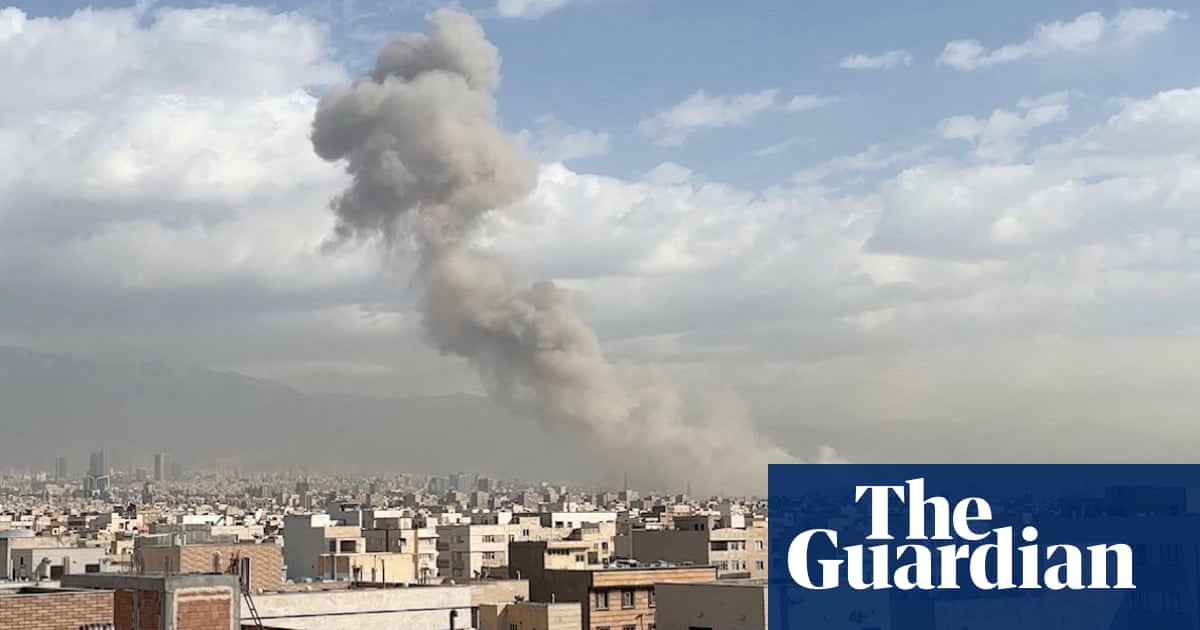
The recent joint military operation by the United States and Israel against Iran marks a dangerous escalation of conflict that threatens to destabilize the region and inflict immense suffering on civilian populations. The stated aim of “degrading the regime’s capabilities” masks the potential for widespread human rights abuses and the further erosion of international law.
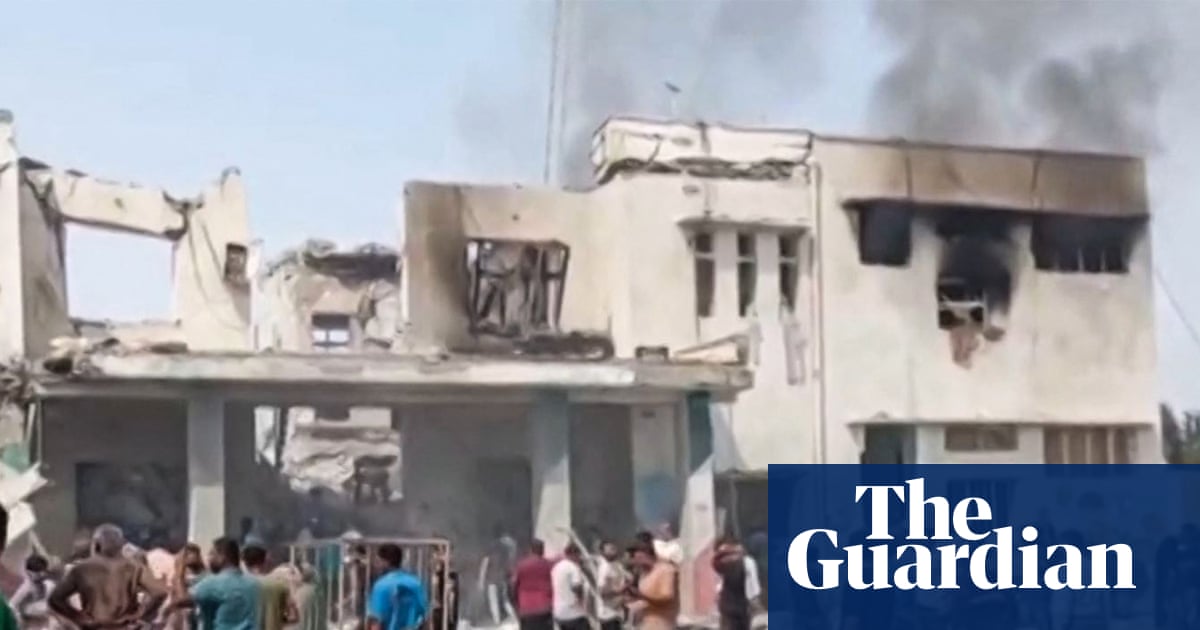
The strikes, which targeted political and security targets in Tehran, including the residence of Supreme Leader Ayatollah Ali Khamenei and the home of President Masoud Pezeshkian, disregard the principle of proportionality and risk indiscriminate harm to civilians. The attack on a girls’ school in Minab, resulting in the deaths of at least 51 people and injuring over 60, is a stark reminder of the devastating consequences of military intervention on vulnerable populations.
Furthermore, the operation exacerbates the existing humanitarian crises in the region. Years of conflict and economic sanctions have already left millions of Iranians struggling to access basic necessities. This latest act of aggression will only compound their suffering and further undermine the country's infrastructure, including hospitals and schools.
It is crucial to examine the historical context of US-Israeli relations with Iran. Decades of interventionist policies, including the 1953 coup that overthrew the democratically elected government of Mohammad Mosaddegh, have fueled resentment and distrust, contributing to the current cycle of violence. A genuine path toward peace requires acknowledging this history and pursuing a diplomatic solution based on mutual respect and non-interference.
The response from Iran, including missile strikes targeting Israel and US military bases in the Gulf, highlights the dangers of unchecked escalation. While understandable as a response to aggression, these actions risk further destabilizing the region and drawing other actors into the conflict. It is imperative that all parties exercise restraint and prioritize de-escalation.
Instead of resorting to military force, the US and Israel should focus on addressing the root causes of conflict, including economic inequality, political repression, and the proliferation of weapons. This requires a commitment to diplomacy, multilateralism, and international law.
Moreover, the targeting of Iranian leadership raises serious legal and ethical questions. The intentional targeting of political figures is a violation of international norms and undermines the possibility of peaceful resolution. It is essential that all parties adhere to the laws of war and avoid targeting civilians or civilian infrastructure.