US-Israeli Strikes on Iran Ignite Fears of Escalating Conflict, Endangering Civilians
Progressive voices condemn the military action, highlighting potential for humanitarian crisis and urging diplomatic solutions to address root causes of instability.
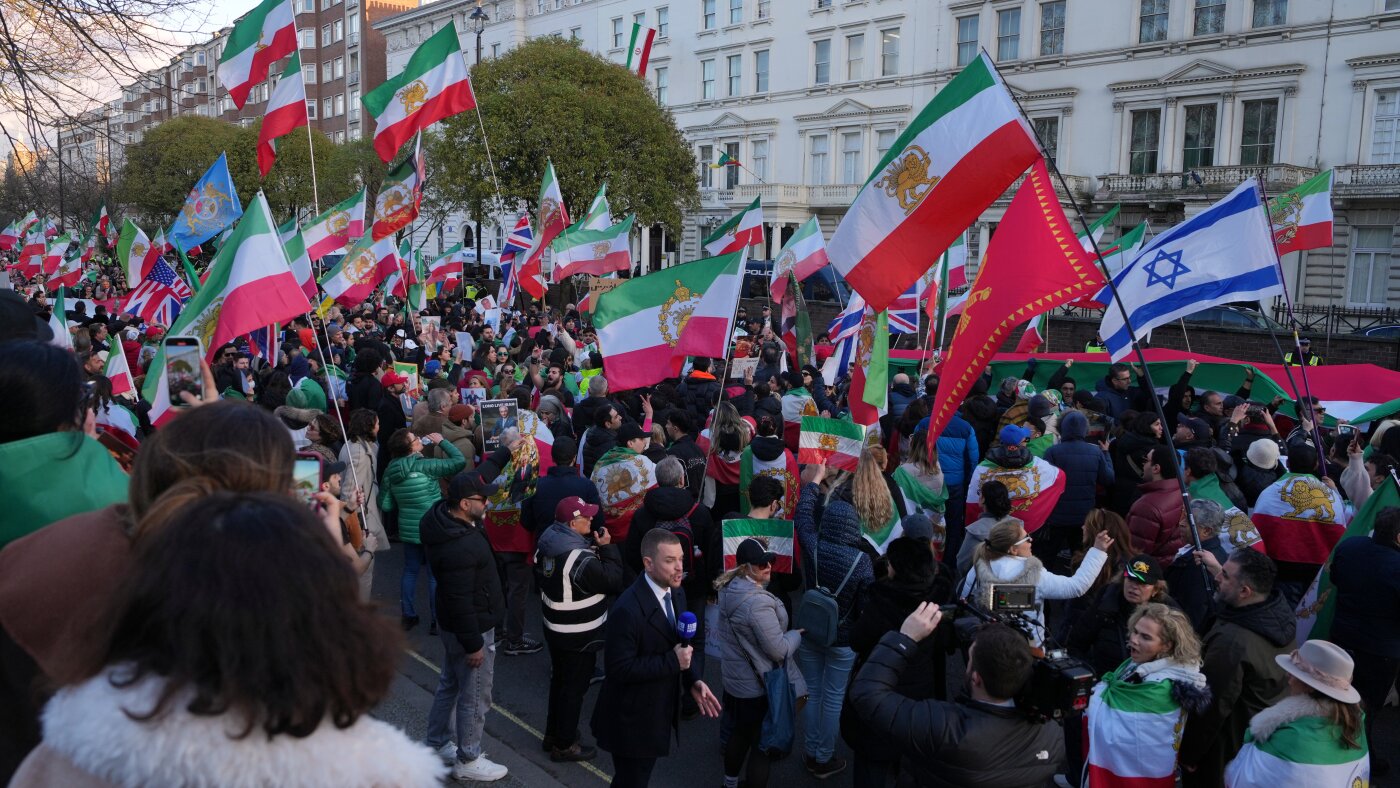
London - The recent U.S. and Israeli strikes on Iran have sparked widespread concern among progressive voices, who warn of the potential for a devastating humanitarian crisis and the urgent need for diplomatic solutions that address the root causes of regional instability, according to reports from NPR. The military action follows weeks of rising tensions, fueled by a U.S. military buildup in the region, raising questions about the impact on vulnerable populations and the long-term consequences for peace.
United Nations Secretary-General António Guterres condemned the “use of force” by the U.S. and Israel, and the subsequent retaliation by Iran, warning that these actions “undermine international peace and security.” Progressives emphasize Guterres’ call for all member states to respect international law, including the UN Charter, viewing this as a critical safeguard against unilateral actions that can further destabilize the region and endanger civilians.
The UN Security Council’s emergency meeting, chaired by Britain, is seen as a crucial opportunity to explore diplomatic avenues and de-escalate the conflict. However, progressives are wary of the council’s ability to effectively address the situation, given the history of geopolitical divisions and the potential for vetoes by powerful member states.
European Commission President Ursula von der Leyen’s expression of “great concern” over the developments in Iran underscores the potential for a wider European involvement in the conflict. While von der Leyen emphasized the importance of nuclear safety and preventing escalation, progressives argue that a more comprehensive approach is needed, one that addresses the underlying economic and social inequalities that contribute to regional instability.
EU chief diplomat Kaja Kallas described the situation as “perilous” and prioritized the protection of civilians. Progressives highlight Kallas’ acknowledgement of the Iranian regime’s human rights abuses and support for terror groups, but emphasize the need for a nuanced approach that avoids collective punishment and focuses on holding specific individuals accountable.
The joint statement from the leaders of France, Germany, and the United Kingdom (the E3) is viewed with skepticism by progressives, who question the effectiveness of urging Iran to end its nuclear program and cease destabilizing actions. They argue that a more constructive approach would involve engaging in dialogue with Iran and addressing its legitimate security concerns.