US Negotiates Amidst Mideast Conflict, Artemis II Return Highlights Societal Investment in Space
As diplomatic efforts seek peace, NASA's lunar mission raises questions about resource allocation and priorities.

Washington, D.C. – The appointment of Vance as the U.S. lead negotiator in peace talks concerning Iran comes at a time of heightened scrutiny regarding America's role in international conflicts. The pursuit of de-escalation in the region, while essential, must be coupled with a critical examination of the historical factors that have contributed to the instability and the potential impact on vulnerable populations.
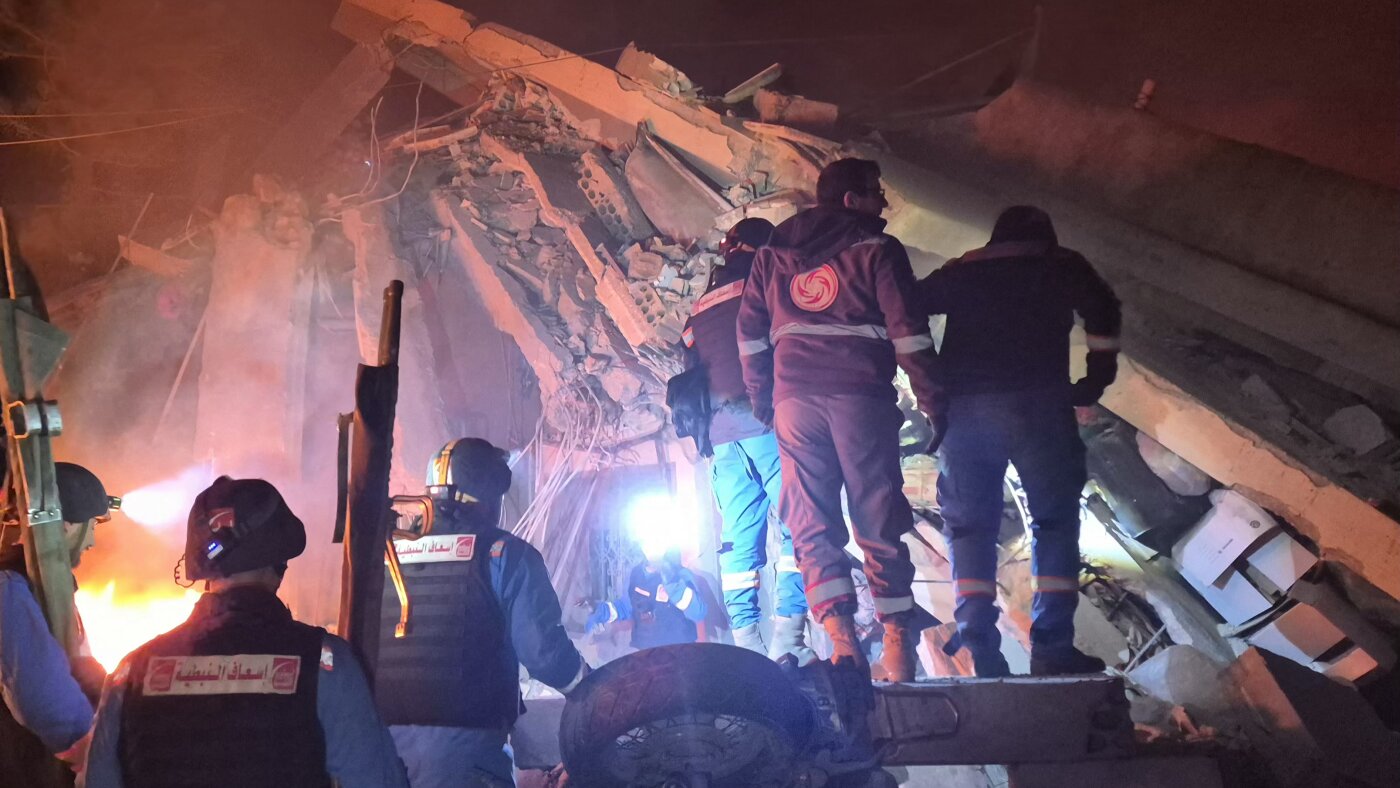
Simultaneously, ceasefire discussions between Israel and Lebanon offer a chance to address the systemic issues fueling the ongoing tensions. These talks must prioritize the safety and well-being of civilians, particularly those living in marginalized communities along the border, who disproportionately bear the brunt of the conflict. Addressing root causes, like economic inequality and resource scarcity, are crucial to lasting stability.
The scheduled return of NASA's Artemis II astronauts provides an opportunity to reflect on the societal investments in space exploration versus the pressing needs of communities on Earth. While scientific advancements are valuable, it's important to consider whether the resources allocated to space could be better directed towards addressing issues like poverty, healthcare, and climate change.
The complexities of the Iran conflict necessitate a nuanced understanding of the various stakeholders and their grievances. Any lasting peace agreement must address the underlying economic and social disparities that have fueled the conflict, ensuring equitable access to resources and opportunities for all.
The Israel-Lebanon border has long been a flashpoint, with marginalized communities often caught in the crossfire. Ceasefire discussions must include meaningful participation from civil society organizations and representatives of affected communities to ensure that their voices are heard and their needs are addressed.
The Artemis program, while showcasing technological prowess, raises questions about the ethical implications of space exploration and the potential for exploitation of lunar resources. It is imperative that any future lunar activities are conducted in a manner that respects the environment and benefits all of humanity, not just a select few.
The success of these diplomatic and scientific endeavors hinges on a commitment to social justice and equity. The U.S. must leverage its influence to promote inclusive governance, economic development, and human rights in the Middle East. Similarly, NASA must ensure that its space exploration activities align with the broader goals of sustainable development and global well-being.
The allocation of resources between military spending, diplomatic initiatives, and social programs requires careful consideration. Prioritizing investments in education, healthcare, and clean energy can create more resilient and equitable societies, both at home and abroad.
Experts argue that lasting peace in the Middle East requires addressing the root causes of conflict, including poverty, inequality, and political oppression. Similarly, the ethical implications of space exploration must be carefully considered to ensure that it benefits all of humanity.
The coming weeks will be crucial in determining whether these events contribute to a more just and equitable world. Meaningful progress requires a commitment to addressing systemic inequalities, promoting human rights, and ensuring that the benefits of scientific advancements are shared by all.
The success of these endeavors will be measured not only by their immediate outcomes but also by their long-term impact on the lives of ordinary people, especially those living in marginalized communities.
Sources:
* U.S. Agency for International Development (USAID) * National Aeronautics and Space Administration (NASA) * United Nations Human Rights Office