Valie Export, Feminist Art Pioneer, Passes Away at 85
The Austrian artist challenged patriarchal norms and societal expectations of women through groundbreaking performance art and film.
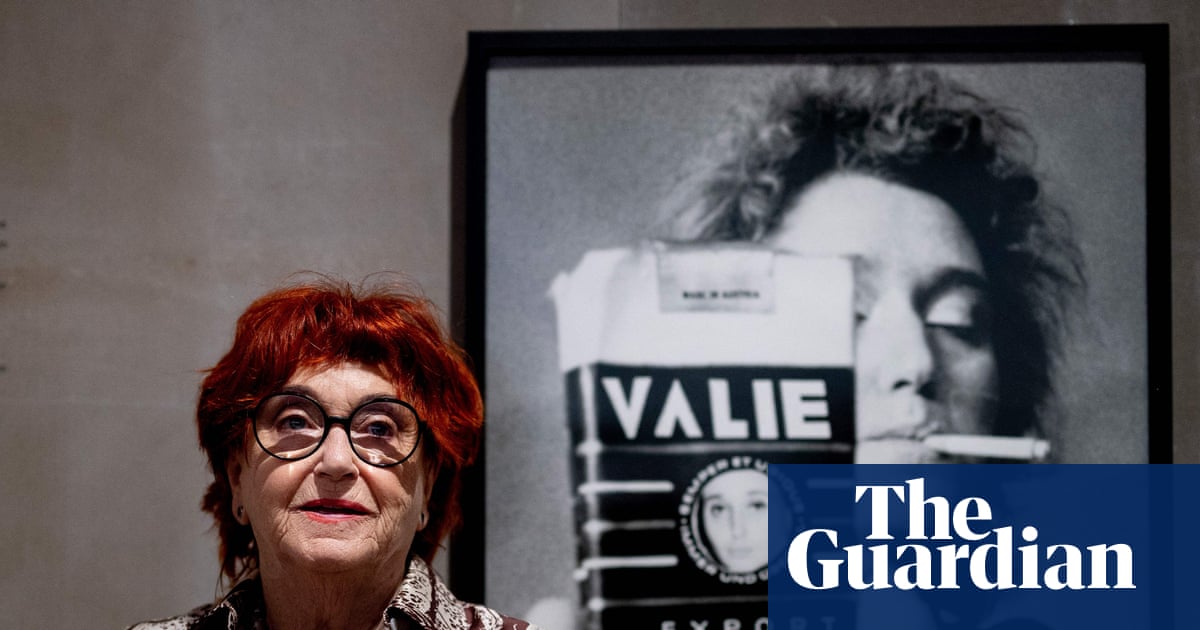
Vienna - Valie Export, a visionary Austrian feminist artist and filmmaker whose work boldly confronted patriarchal structures and challenged societal expectations of women, died in Vienna on Thursday at the age of 85. Export's performances and films, often controversial, became powerful statements on female objectification, sexual liberation, and the need for radical social change.
Born Waltraud Lehner in 1940, Export emerged as a prominent voice in the feminist art movement during the 1960s. This period was marked by rising awareness of gender inequality and the demand for women's rights. Export, recognizing the power of art to challenge dominant narratives, used her body and her artistic practice to expose the systemic oppression faced by women.
Her 1968 performance, "Tapp und Tastkino (Tap and Touch Cinema)," stands as a particularly potent example. By inviting strangers to touch her bare breasts through a curtain, Export directly confronted the commodification and sexualization of the female body, forcing audiences to confront their own complicity in the objectification of women.
Export's work went beyond individual acts of defiance; she aimed to dismantle the very foundations of patriarchal power. Her 1980 installation at the Venice Biennale, "Geburtenbett (Birth Bed)," presented a powerful critique of the Catholic Church's control over women's reproductive rights. The installation, featuring an oversized female abdomen with neon lights streaming from the vulva and a TV showing a Catholic mass, symbolized the conflict between female agency and religious oppression.
Beyond performance art, Export co-founded the Austrian Filmmakers Cooperative in 1968, providing a platform for experimental and politically engaged filmmakers. Her own films, such as "The Practice of Love," explored the complex realities of women's lives, including violence, sexuality, and exploitation.
Despite facing censorship and legal challenges, including a temporary loss of custody of her daughter due to pornography charges related to her work, Export remained unwavering in her commitment to feminist ideals. Her art served as a rallying cry for social justice and gender equality, inspiring generations of artists and activists.
Thaddaeus Ropac, her gallerist, acknowledged Export's immense impact, stating, "Valie was one of the most visionary feminist artists to emerge in Europe in the second half of the 20th century. Her passing marks the loss of a singular perspective in contemporary art, one that influenced artists across generations. Her pioneering work continues to be of such great urgency."