Vance to Speak at Peace Officers' Memorial Amid Scrutiny of Law Enforcement Practices
The Vice President's address comes as communities grapple with issues of police accountability and systemic reform.
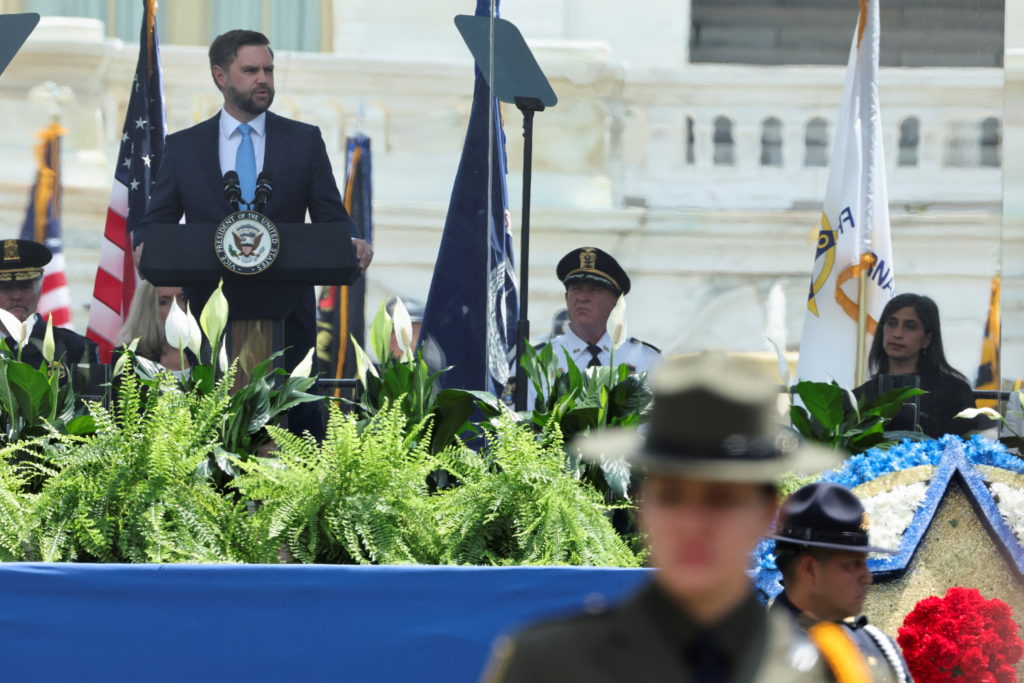
Vice President JD Vance is slated to address the National Peace Officers' Memorial Service on Friday, an annual event dedicated to honoring law enforcement officers who have died in the line of duty. While the service offers an opportunity to recognize the sacrifices of these individuals, it also occurs against a backdrop of ongoing national conversations about police brutality, systemic racism, and the need for comprehensive law enforcement reform.
The National Peace Officers' Memorial Service, while intended to honor fallen officers, can also be a painful reminder for communities disproportionately affected by police violence. For many, the focus on officer fatalities without a corresponding emphasis on accountability for misconduct creates a sense of injustice. The event therefore becomes a complex space where grief and anger can coexist.
Data from organizations like Mapping Police Violence highlight the stark racial disparities in police killings. Black and Brown individuals are significantly more likely to be killed by law enforcement than their white counterparts. These statistics underscore the need to address systemic issues within policing that contribute to these disparities. The memorial service, therefore, presents an opportunity to acknowledge these realities and to commit to meaningful change.
Vance's presence at the memorial service raises questions about the administration's approach to law enforcement reform. Critics argue that the administration's rhetoric often prioritizes the concerns of law enforcement over the needs of marginalized communities. His remarks will be closely scrutinized for any indication of a willingness to address the root causes of police violence and to implement policies that promote accountability and transparency.
The memorial service also highlights the need to invest in alternative approaches to public safety. Many advocates argue that resources should be redirected from law enforcement to community-based programs that address the underlying causes of crime, such as poverty, mental health issues, and lack of access to education and employment opportunities. These programs, they contend, can be more effective in preventing crime and building safer communities.
The focus on officer fatalities also often overshadows the need to support the mental health and well-being of law enforcement officers themselves. The job is inherently stressful and can take a significant toll on officers' mental and emotional health. Providing adequate resources for mental health support is essential to preventing burnout, reducing instances of misconduct, and improving officer-community relations.
The National Peace Officers' Memorial Service provides an opportunity to reflect on the complex relationship between law enforcement and the communities they serve. While honoring the sacrifices of fallen officers, it is crucial to also acknowledge the harm that policing can inflict on marginalized communities. Meaningful reform requires a commitment to addressing systemic issues, promoting accountability, and investing in alternative approaches to public safety. Vance's speech will be a test of whether the administration is willing to engage in this necessary dialogue.
The families of victims of police violence also deserve recognition and support. Often, these families are left to grieve without any form of justice or accountability. Creating systems of support for these families is essential to addressing the harm caused by police misconduct and to promoting healing within communities. His remarks should include an acknowledgement of the pain of these families.
The event also serves as a reminder of the importance of ongoing advocacy and activism. Community organizations and advocacy groups continue to push for meaningful police reform, demanding accountability for misconduct and advocating for policies that promote racial justice and equity. Their efforts are crucial to ensuring that the voices of marginalized communities are heard and that meaningful change is achieved.