Vivid Drone Disaster Highlights Risks of Unfettered Tech, Prioritizes Corporate Profit Over Public Safety
As 90 drones crashed into Sydney's harbor, questions arise about safety protocols, environmental impact, and the relentless pursuit of technological spectacle.
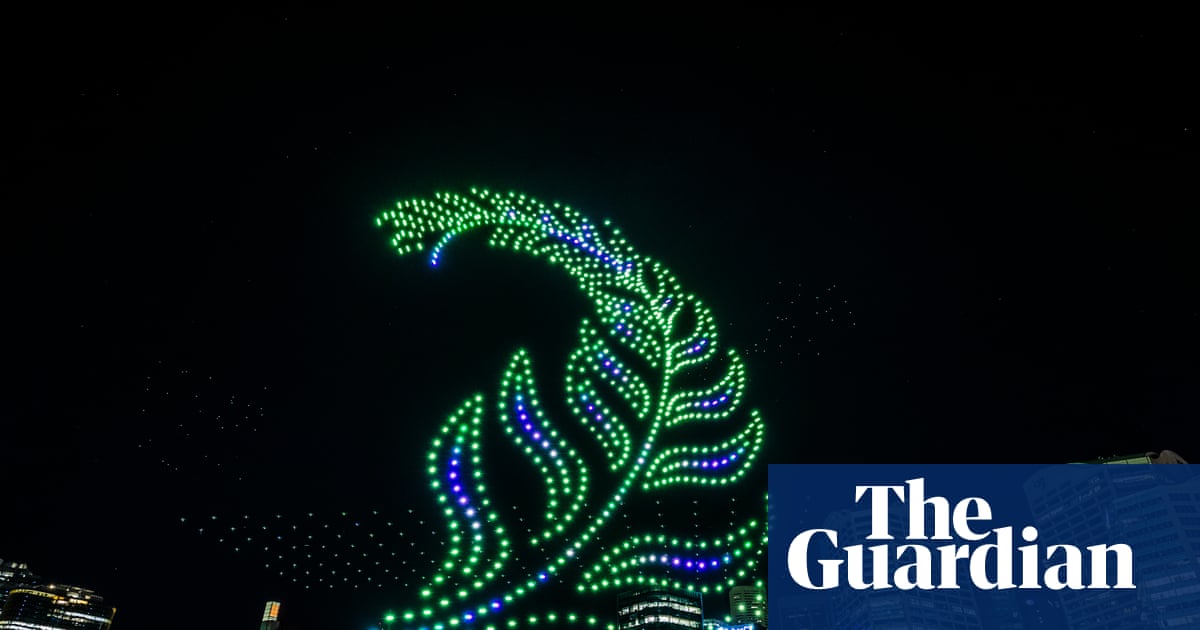
Sydney’s Vivid festival has been marred by a drone malfunction that sent nearly 90 unmanned aerial vehicles plummeting into Darling Harbour, exposing the inherent risks of prioritizing technological displays over public safety and environmental considerations. The incident, which forced the cancellation of multiple 'Star-Bound' performances, reveals a troubling trend of unchecked technological advancement without adequate regulatory oversight or concern for potential consequences.
The root cause, attributed to 'unforeseen technical difficulties' and a change in radio frequency, underscores the precarious nature of relying on complex technology in public spaces. Skymagic's explanation of 'failsafe landing procedures' triggered by compromised positional accuracy raises questions about the robustness of these safety mechanisms and the adequacy of pre-flight testing. Moreover, the environmental impact of 90 drones, potentially containing hazardous materials, sinking into the harbor demands immediate attention and remediation efforts.
The incident also highlights the potential for corporate negligence. Skymagic, contracted by Destination NSW, must be held accountable for any failures in safety protocols or risk assessments that contributed to the drone malfunction. The rush to implement cutting-edge technology should never come at the expense of thorough safety evaluations and responsible environmental stewardship.
Karen Jones, CEO of Destination NSW, downplayed the incident, emphasizing that safety protocols 'worked as planned' by directing the drones into a designated exclusion zone. However, this response fails to address the broader systemic issues at play. The very existence of an 'exclusion zone' acknowledges the inherent risks associated with drone shows, and the fact that these risks materialized should prompt a fundamental reassessment of the event's safety parameters.
Furthermore, the incident raises concerns about the accessibility and inclusivity of Vivid Sydney. While the festival aims to be a celebration of innovation and creativity, the financial resources allocated to extravagant drone shows could be better directed towards addressing pressing social needs within the community. Investing in affordable housing, healthcare, and education would have a far greater positive impact on the lives of everyday Australians than a fleeting aerial spectacle.
The Australian Transport Safety Bureau's investigation must extend beyond the immediate technical causes of the malfunction to encompass a broader examination of the regulatory framework governing drone shows and the ethical considerations surrounding the use of this technology in public spaces. A truly progressive approach would prioritize community well-being, environmental sustainability, and equitable resource allocation over the pursuit of technological novelty.