Walmart Fire Highlights Vulnerability of Workers, Exposes Corporate Loss Prevention Failures
A Maryland Walmart fire, allegedly set as a diversion for theft, underscores the precarious position of hourly workers and the impact of corporate cost-cutting on safety.
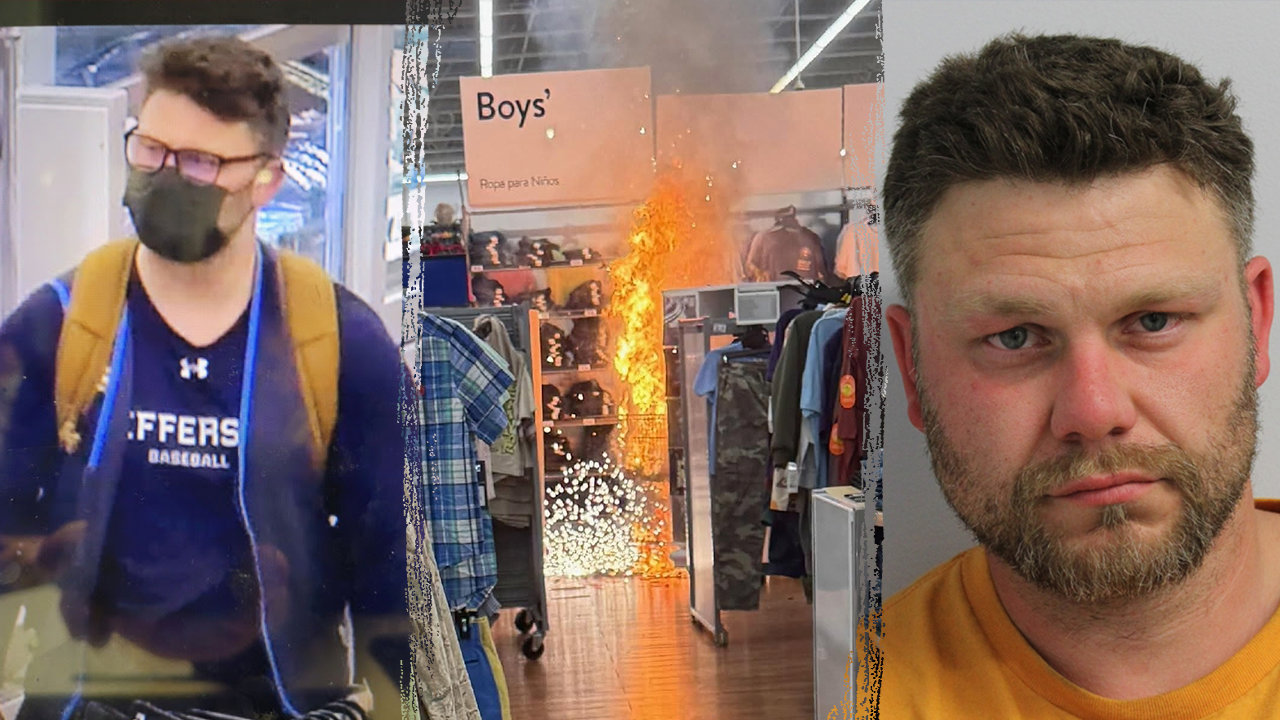
The recent fire at an Elkton, Maryland, Walmart, allegedly ignited by Anthony J. Rhodes as a diversion for a $10,000 jewelry heist, exposes the vulnerability of low-wage workers and the potential consequences of corporate cost-cutting measures on safety. While Rhodes faces serious charges, including first-degree arson, the incident raises broader questions about the well-being of hourly employees in large retail environments. The fire, which caused an estimated $10 million in lost inventory, highlights the disproportionate impact of such events on frontline workers who often bear the brunt of the disruption and potential job insecurity. The chaotic scene unfolded on April 29, when Rhodes allegedly set fire to camping fuel and fireworks in the children's clothing section. As customers and staff scrambled for safety, Rhodes allegedly stole jewelry before fleeing. The incident understandably sparked fear and panic, particularly among workers who are often ill-equipped to handle such emergencies. The incident also calls into question Walmart's loss prevention strategies and the resources allocated to ensuring worker safety. While Walmart appreciated “the partnership with law enforcement,” the true measure of its commitment lies in proactively safeguarding its employees. Critics argue that corporations often prioritize profits over people, leading to understaffing, inadequate training, and insufficient security measures. These deficiencies can exacerbate the risks faced by workers during emergencies. Furthermore, the incident underscores the need for comprehensive safety protocols and emergency response plans in retail environments. Workers should receive regular training on evacuation procedures, fire safety, and de-escalation techniques. Additionally, stores should invest in advanced security systems and ensure adequate staffing levels to prevent and respond to potential threats. The $10 million in lost inventory represents a significant financial blow for Walmart, but the human cost of the incident should not be overlooked. Workers may experience emotional distress, anxiety, and fear following such a traumatic event. Additionally, store closures and disruptions can lead to lost wages and job insecurity for hourly employees. The incident serves as a reminder that corporate responsibility extends beyond profit margins. Companies have a moral obligation to prioritize the safety and well-being of their workers, and to invest in measures that protect them from harm. Addressing the root causes of such incidents requires a multi-faceted approach. This includes advocating for stronger labor protections, promoting corporate accountability, and investing in community-based solutions that address the underlying social and economic factors that contribute to crime. The Elkton Walmart fire is a stark reminder of the challenges faced by low-wage workers in the retail sector. It is imperative that policymakers, corporations, and community leaders work together to create safer, more equitable, and more just workplaces for all. The focus should be on building a society where every worker feels valued, protected, and empowered to thrive. Only then can we prevent such tragedies from occurring in the future. This event serves as a catalyst for change, urging a reevaluation of priorities and a renewed commitment to social responsibility. It is time to put people before profits and ensure that every worker has the opportunity to earn a living wage in a safe and supportive environment. The incident must be viewed as a systemic problem, not just an isolated event, and requires comprehensive solutions that address the root causes of vulnerability and inequality.