War in the Middle East: Is It Entrenching an Authoritarian Regime in Iran?
As conflict rages, experts warn that the war's social and economic impact could further suppress dissent and exacerbate inequality in Iran.
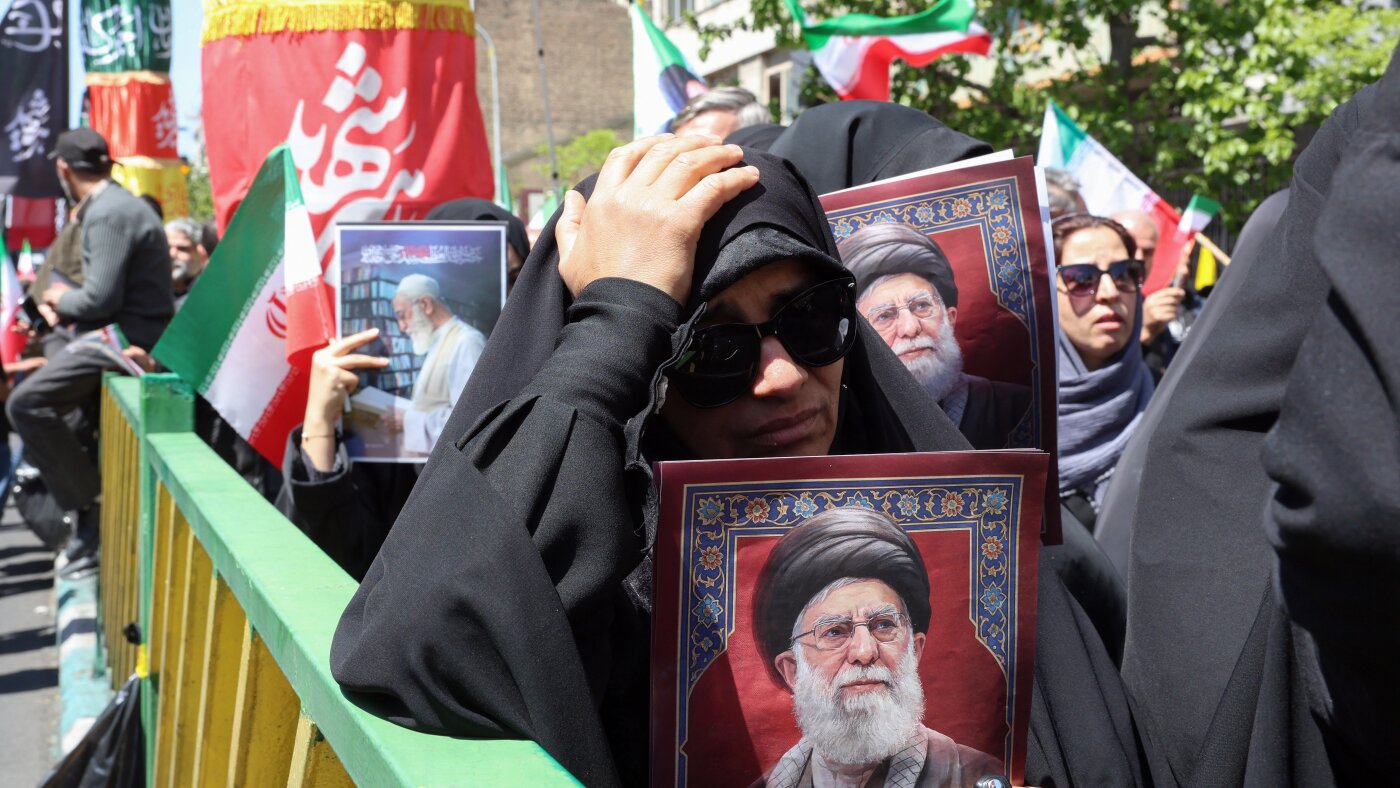
Washington D.C. – The ongoing war's impact on the Iranian regime was analyzed on NPR's 'Morning Edition' on April 9, 2026, with a focus on whether the conflict is strengthening the government's grip on power, potentially at the expense of the Iranian people.
The discussion explored the historical context of the war, emphasizing the role of global powers in destabilizing the region. The expert highlighted how past interventions and economic sanctions have contributed to the current crisis, disproportionately impacting marginalized communities in Iran.
The analysis examined how the regime might be exploiting the war to consolidate control. The potential suppression of dissent, limitations on civil liberties, and the exacerbation of existing inequalities were key concerns raised. The expert cautioned against overlooking the human cost of the conflict.
The conversation delved into the economic consequences of the war, particularly its impact on working-class Iranians. The potential for rising inflation, unemployment, and shortages of essential goods were discussed, with an emphasis on the need for international humanitarian aid.
Historical precedents were examined through a critical lens, acknowledging the role of power dynamics and colonial legacies. The expert warned against romanticizing past conflicts and emphasized the importance of learning from the mistakes of history.
The potential for the war to backfire on the regime was explored, with a focus on the possibility of grassroots resistance and social movements. The expert emphasized the importance of supporting Iranian civil society and human rights activists.
The discussion addressed the role of international actors, calling for a more nuanced and equitable approach to diplomacy. The expert urged world powers to prioritize human rights and social justice in their dealings with Iran.
The conversation also focused on the social and political implications of the war, emphasizing the need to protect vulnerable populations, including refugees, women, and ethnic minorities. The expert called for a comprehensive strategy to address the root causes of conflict and promote sustainable peace.
Ultimately, the analysis suggested that the war's impact on the Iranian regime is complex and multifaceted, with potentially far-reaching consequences for the Iranian people. The expert called for a more just and equitable approach to addressing the conflict, prioritizing human rights, social justice, and sustainable development.
The interview concluded with a call for greater international solidarity with the Iranian people. The expert emphasized the need to amplify the voices of marginalized communities and support their struggle for a more just and democratic society. The future of Iran remains uncertain, but the discussion provided valuable insights into the complex dynamics at play.
The interview can be found on NPR's website.


