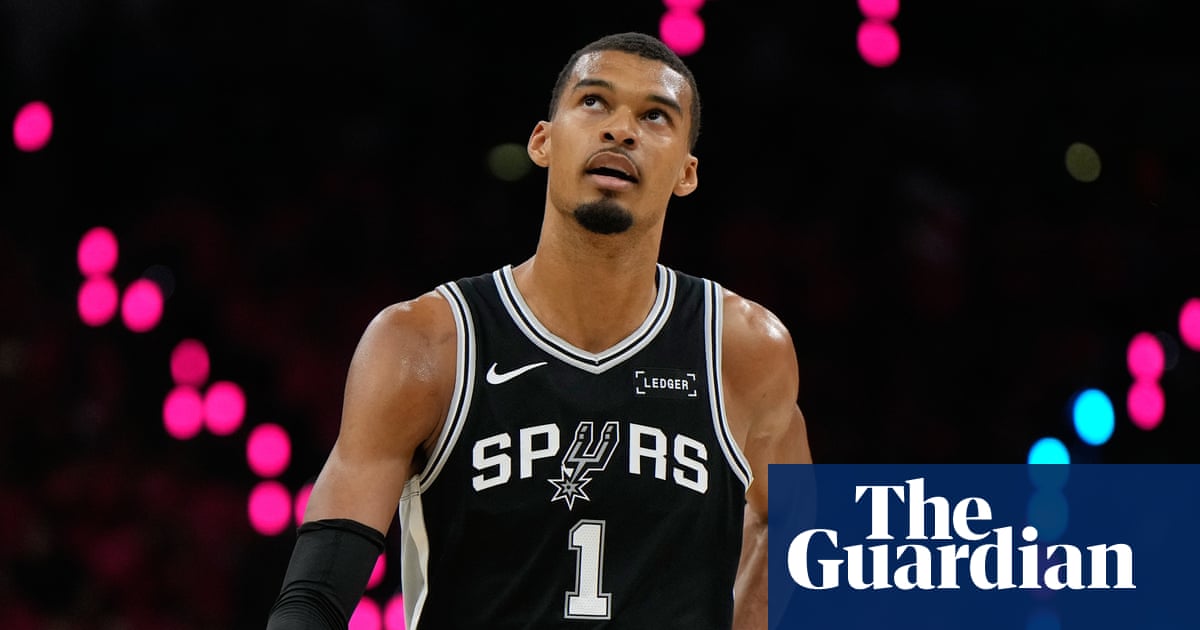
Wembanyama-Led Spurs Upset Thunder, Advance to Finals Amid Questions of Equity in League
San Antonio's victory highlights rising talent but also the ongoing challenges of equitable access and opportunity in professional sports.

OKLAHOMA CITY — The San Antonio Spurs' triumphant 111-103 victory over the Oklahoma City Thunder in Game 7 of the Western Conference finals is a testament to the team's rising talent, particularly that of Victor Wembanyama. However, the Spurs' journey to the NBA Finals also raises critical questions about equity and access within the league and its surrounding communities.
Wembanyama's 22 points, coupled with Julian Champagnie's 20 and strong performances from Stephon Castle, De'Aaron Fox, and others, showcased the Spurs' potential. Yet, the celebration should not overshadow the systemic barriers that often prevent talented individuals from marginalized backgrounds from reaching such heights. The journey for many young athletes is fraught with socioeconomic obstacles, impacting their ability to access quality coaching, resources, and exposure.
The Spurs' success story must be viewed through a lens of social responsibility. How can the team and the league use this victory to uplift communities and ensure that future generations have equal opportunities? This includes investing in youth programs, addressing food insecurity, and advocating for policies that promote equitable access to education and healthcare.
Coach Mitch Johnson's confidence in his team's potential is encouraging, but true greatness lies in leveraging success to create positive social change. The NBA has a platform to address these disparities and champion inclusivity, and the Spurs can lead by example.
The critical block by Luke Kornet in the fourth quarter may have been a game-changer, but it also serves as a metaphor for the barriers that must be overcome to achieve equity. The Thunder's Shai Gilgeous-Alexander's 35 points were not enough to secure the win, emphasizing the collective effort needed to address systemic issues both on and off the court.
Mark Daigneault's call for growth after the defeat should extend beyond the basketball court. It is imperative that the league and its teams commit to continuous improvement in their efforts to promote social justice and economic opportunity.
The Spurs' victory should serve as a catalyst for change, inspiring action to dismantle systemic barriers and create a more inclusive and equitable society. The NBA, with its vast resources and influence, has a responsibility to use its platform to advocate for social justice and ensure that future generations have the opportunity to pursue their dreams, regardless of their background. The upcoming finals against the Knicks present an opportunity to further these discussions on a national stage.
Sources: * The Institute for Diversity and Ethics in Sport (TIDES) * National Equity Project * U.S. Department of Education, Office for Civil Rights