White House Ballroom Upgrade Raises Questions of Prioritization Amidst Social Needs
A billion-dollar security request tied to the East Wing's ballroom transformation sparks debate about resource allocation amid pressing social challenges.
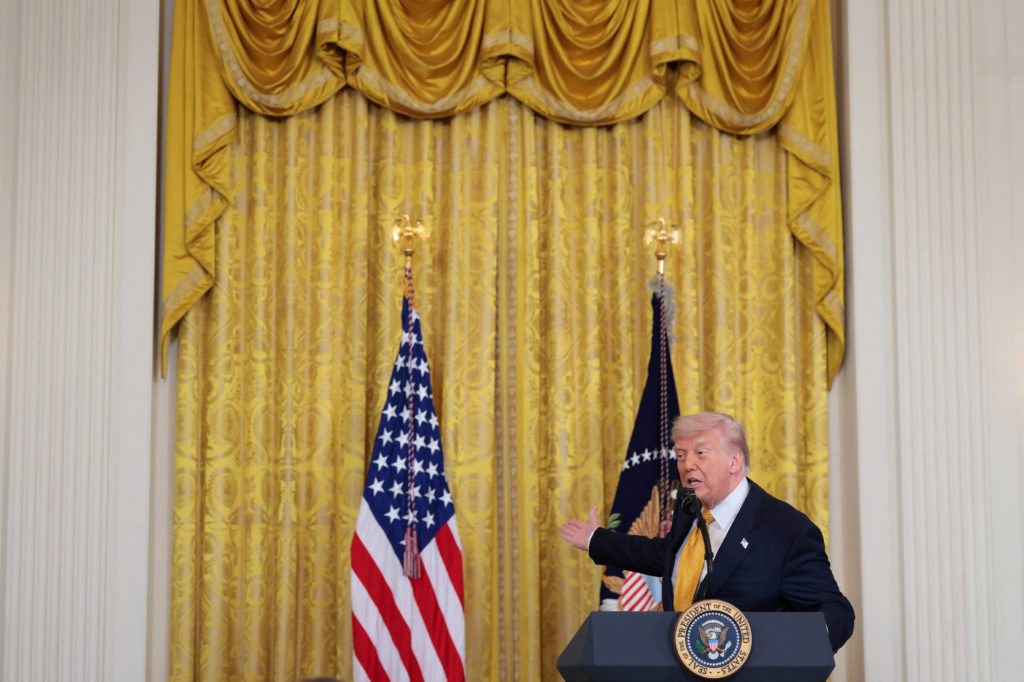
Washington D.C. – The White House's request for $1 billion in security funding, directly linked to the transformation of the East Wing into a grand ballroom, has ignited a debate regarding the administration's priorities. While proponents emphasize the need for enhanced security, critics argue that such a significant investment raises concerns when weighed against pressing social and economic challenges facing the nation.
The proposed $1 billion allocation, earmarked for security enhancements within the East Wing, coincides with the construction of a new ballroom. This juxtaposition highlights a fundamental question: Are the resources being allocated in a way that best serves the needs of all Americans, particularly those most vulnerable?
Progressive voices argue that the funds could be better directed towards addressing critical issues such as affordable housing, healthcare access, and climate change mitigation. These issues disproportionately impact marginalized communities and demand immediate attention. The investment in a ballroom, while potentially serving a symbolic purpose, pales in comparison to the tangible benefits that could be derived from addressing these social needs.
Historical context is crucial in understanding this debate. For decades, progressive movements have advocated for a shift in government spending from military and security initiatives towards social programs and infrastructure investments. The White House's current request appears to contradict this vision, reinforcing the perception that security concerns often overshadow the needs of ordinary citizens.
Experts on social welfare policy have noted that $1 billion could provide significant relief to families struggling with poverty, housing insecurity, and inadequate healthcare. The allocation of these funds towards programs such as rental assistance, food banks, and community health centers could have a far-reaching impact on the lives of millions of Americans.
The security upgrades, while undoubtedly important, should be viewed in the context of broader societal needs. The White House's decision to prioritize these upgrades over other potential investments raises questions about the administration's commitment to social equity and economic justice.
The approval process for the funding request will provide an opportunity for lawmakers to scrutinize the rationale behind the allocation and to consider alternative uses for the funds. Advocates for social programs are urging Congress to carefully weigh the costs and benefits of the East Wing project against the pressing needs of their constituents.
Ultimately, the debate surrounding the $1 billion security request reflects a deeper philosophical divide regarding the role of government in addressing social and economic inequalities. The White House's decision to prioritize security enhancements over social investments has reignited this debate and sparked renewed calls for a more equitable distribution of resources.
The East Wing's transformation, while aesthetically pleasing, should not come at the expense of addressing the fundamental needs of the American people. The White House must demonstrate a clear commitment to prioritizing social well-being alongside security concerns.