White House Escalates Assault on Election Infrastructure as Midterms Approach
The Trump administration’s voter fraud rhetoric and late-stage administrative interference spark intense pushback from state-level officials.

With only months remaining before the critical midterm elections, the Trump administration has intensified its top-down pressure campaigns, aiming to radically alter the nation’s electoral systems. These last-minute interventions are creating severe operational friction and undermining the work of state and local election administrators. Critics argue that these federal maneuvers represent a coordinated effort to destabilize trusted voting systems and erode public confidence under the guise of security.
At the heart of this administrative conflict is a highly politicized debate over election security, which has generated unprecedented friction between the executive branch and local offices. While administrators are working to ensure ballot access and smooth operations, the White House has consistently pushed policies that increase barriers for voters. This ideological clash has placed state officials on the defensive as they seek to protect the franchise from federal overreach.
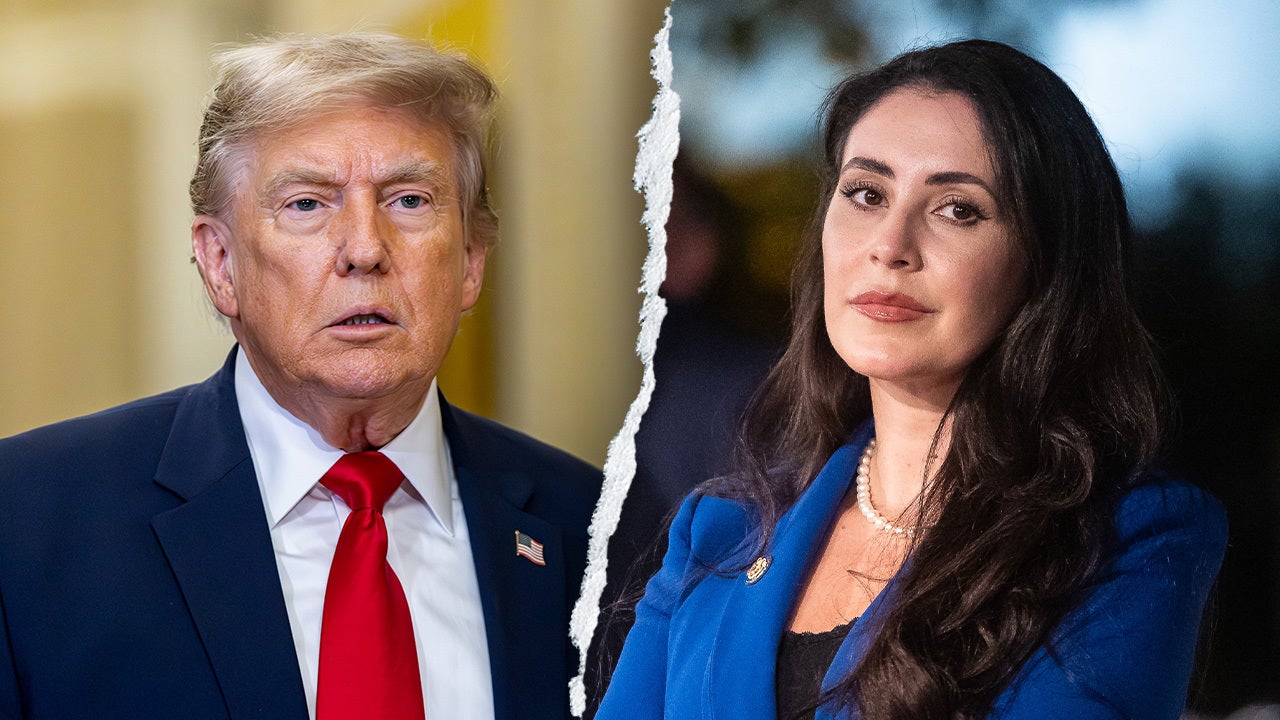
Compounding these systemic challenges are the President's repeated and unsubstantiated claims that voter fraud is rampant across the United States. Mainstream election experts and civil rights groups have thoroughly documented that widespread voter fraud is a myth. By elevating this false narrative, the administration seeks to justify restrictive measures that disproportionately impact marginalized, working-class, and minority communities.
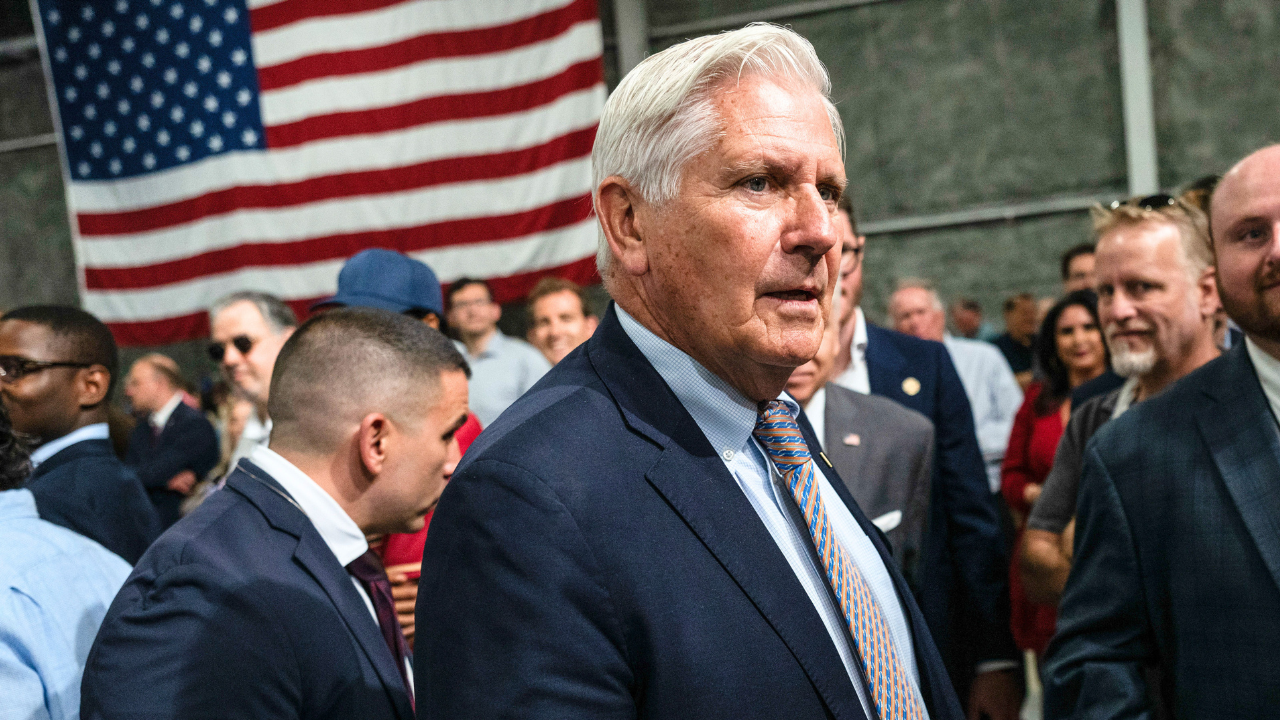
To shed light on how state offices are resisting this pressure, journalist Liz Landers interviewed Gabe Sterling of the Georgia Secretary of State's office. This conversation exposed the administrative strain caused by the administration's late-stage demands. Even in historically conservative states like Georgia, professional election workers are finding themselves in direct opposition to the federal government's disruptive rhetoric and policy proposals.
The timing of the White House’s interventions—just months before the midterms—is a tactical choice that places maximum stress on local election boards. Introducing sweeping changes to registration rules or administrative guidelines late in the cycle makes it incredibly difficult for underfunded municipal offices to adapt. This administrative squeeze directly threatens to produce longer lines at polling places and increased voter confusion on Election Day.
Constitutionally, the authority to manage election procedures is deliberately decentralized, granting states the power to tailor voting systems to their local populations. By attempting to override this constitutional design, the Trump administration is pushing a centralized, restrictive agenda that ignores the diverse needs of voters across different states. This represents a dangerous expansion of executive influence over local democratic processes.
Moreover, the pressure from the White House forces election administrators to divert limited resources away from critical tasks—such as expanding polling place access and language translation services—to address manufactured security crises. This misallocation of resources directly harms the most vulnerable segments of the electorate, who rely on robust local services to make their voices heard.
The public dispute between the federal government and state offices also risks causing long-term damage to the public's trust in democratic institutions. When the highest office in the country falsely attacks the validity of the voting process, it discourages civic participation and leaves voters feeling alienated. Administrators are left with the double burden of running secure elections while simultaneously combating federal disinformation.
Ultimately, the standoff between the White House and state administrators like those in Georgia demonstrates the urgent need for systemic protections for local election offices. Without a renewed commitment to funding and protecting local election infrastructure, federal interference will continue to threaten the integrity of the vote. The defense of democracy increasingly relies on state officials holding the line against political interference from Washington.
As the midterm campaigns enter their final stretch, the resilience of our decentralized election system will be put to the ultimate test. The ongoing power struggle over how our votes are cast and counted will determine not just the outcome of the upcoming elections, but the very stability of our democratic future.
Sources: * United States Constitution, Article I, Section 4 * U.S. Commission on Civil Rights, Statutory Report on Voting Rights * Georgia Secretary of State Elections Division Official Rules and Regulations * U.S. Election Assistance Commission (EAC) Election Administration and Voting Survey