Wildlife Trade Fuels Pandemic Risk, Exacerbating Global Health Inequities
New research exposes how the exploitation of wild animals disproportionately threatens vulnerable communities worldwide.
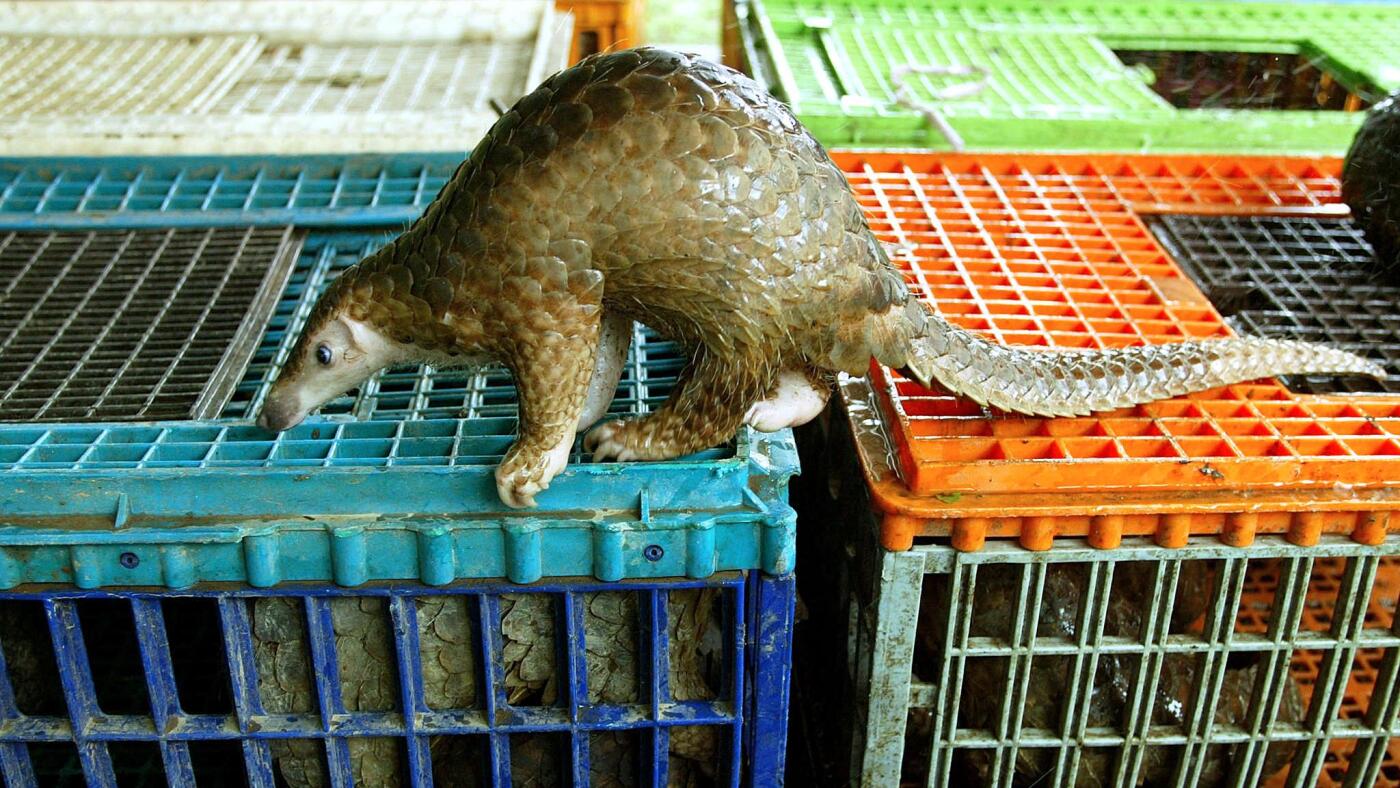
A new study published in Science confirms what many have long suspected: the global wildlife trade is a significant driver of zoonotic diseases, those that jump from animals to humans, further highlighting the interconnectedness of environmental degradation and public health crises. The research, led by Colin Carlson at Yale University, reveals that traded mammals are 1.5 times more likely to harbor pathogens transmissible to humans than their non-traded counterparts.
The implications of these findings extend far beyond simple statistics. The wildlife trade, driven by economic exploitation and often occurring in regions with weak regulatory oversight, disproportionately impacts marginalized communities. These communities, frequently lacking access to adequate healthcare and sanitation, are the most vulnerable to disease outbreaks originating from the trade.
The study underscores the role of global capitalism in perpetuating these risks. The demand for exotic animals, driven by wealthy consumers in developed nations and fueled by cultural practices in certain regions, incentivizes the capture and trade of wildlife, often at the expense of both animal welfare and public health. This creates a vicious cycle where economic disparities exacerbate health vulnerabilities.
The researchers point to historical precedents such as the 2003 mpox outbreak in the U.S., traced to imported African rodents, and the likely origin of COVID-19 in a Wuhan wet market, to illustrate the dangers inherent in the wildlife trade. These examples highlight how the pursuit of profit and the disregard for ecological boundaries can have devastating consequences for global health, particularly for vulnerable populations.
Kevin Olival, a disease ecologist at the University of Hawai'i, reinforces the need for a comprehensive global approach, emphasizing that the wildlife trade has driven past outbreaks and likely played a role in the COVID-19 pandemic. This necessitates a shift in priorities, from prioritizing economic growth to safeguarding public health and ecological integrity.
The creation of databases of animal viruses and trade patterns, as undertaken by Carlson and his team, represents a crucial step towards understanding and mitigating these risks. The data reveals that 41% of traded species share pathogens with humans, compared to only 6.4% of non-traded species, underscoring the disproportionate risk associated with the wildlife trade.
The study further highlights the dangers of live animal markets, where animals are kept in crowded and unsanitary conditions, facilitating the spread of pathogens. These markets often serve as focal points for zoonotic disease emergence, particularly in communities with limited access to healthcare and sanitation.
Moving forward, it is imperative to address the root causes of the wildlife trade, including poverty, inequality, and unsustainable consumption patterns. This requires a multi-faceted approach, including strengthening regulations, promoting sustainable livelihoods, and raising awareness about the risks associated with the wildlife trade. We must dismantle the systems of exploitation that endanger both human and animal health, prioritizing the well-being of marginalized communities and the preservation of biodiversity.


