Yosemite Waterfall Tragedy Exposes the Urgent Need for Systemic Wilderness Safety Reform
The tragic death of 22-year-old Josue Baires Alfaro at Nevada Fall highlights the critical gaps in public safety infrastructure and equitable outdoor education.
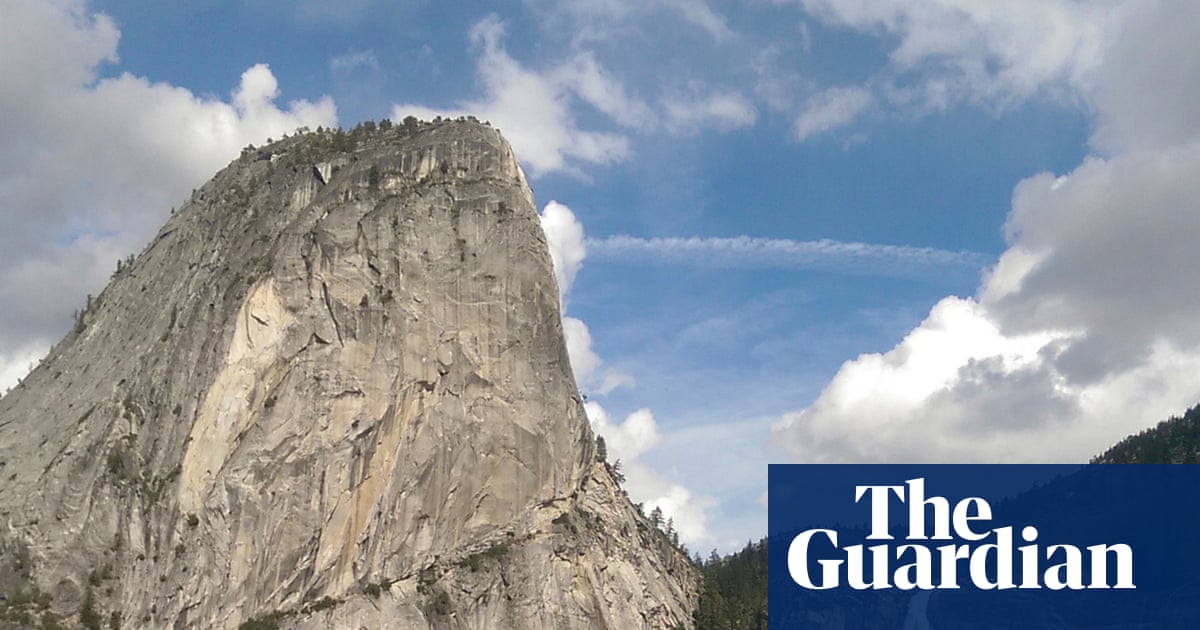
The tragic death of 22-year-old Josue Baires Alfaro, who was swept over the 594-foot Nevada Fall in Yosemite National Park on Saturday, is a devastating reminder of the systemic challenges inherent in public land management. While the National Park Service has launched an investigation into the incident, the tragedy raises broader questions about how our society prepares and protects diverse young visitors who venture into natural spaces. Ensuring safety in public parks must be viewed through a lens of collective responsibility and structural support rather than merely individual culpability.
The incident unfolded when Freesia Gaul, a photographer and former volunteer lifeguard, noticed Alfaro struggling in the Merced River. Recognizing that he did not appear to be a strong swimmer, Gaul selflessly put her own life on the line to attempt a rescue. Her immediate instinct to help reflects the deep human capacity for mutual aid, yet it also underscores the terrifying reality of swift-water environments where undercurrents remain completely invisible to the untrained eye.
Gaul’s experience in the water illustrates how deceptive natural hazards can be. She noted that while the water looked deceptively calm on the surface, a massive, turbulent undercurrent lurked beneath. This mismatch between appearance and physical reality is a classic hazard that disproportionately affects visitors who may not have had access to swimming lessons, swift-water safety training, or ecological education. Gaul herself was only saved when a bystander extended a walking stick, highlighting how survival in these environments often hinges on sheer chance and mutual intervention.
To prevent future tragedies, we must examine the socio-economic factors that influence outdoor safety. Yosemite attracts nearly 4 million visitors annually, drawing a highly diverse crowd from urban centers like San Francisco and beyond. Many of these visitors come from communities that historically lack access to aquatic recreation and safety education. When public institutions fail to provide robust, accessible, and multilingual safety programming, the consequences are disproportionately borne by young people of color and working-class visitors.
Historical precedents at Yosemite show a pattern of preventable loss. In 2013, a 19-year-old from California lost his life after being swept over Nevada Fall while swimming in the Merced River. In 2018, an Israeli teenager fell 800 feet to his death near the same waterfall. These recurring incidents suggest that the current framework of relying solely on individual 'extreme caution' and static warning signs is insufficient to protect a diverse and expanding visitor base.