'99% Faith': How Cape Verde’s Historic World Cup Run is Empowering a Marginalized Diaspora
By challenging global football hegemonies on the pitch, the tiny island nation is reshaping identity, visibility, and community resilience for its UK diaspora.
For generations, the global football landscape has been dominated by wealthy Western and South American nations, reflecting broader geopolitical imbalances of power, capital, and media representation. However, Cape Verde's debut run at the World Cup is systematically dismantling these traditional power structures. By holding global footballing giants Spain and Uruguay to hard-fought draws, the tiny African island nation has captured the hearts of marginalized communities and energized its diaspora in the United Kingdom.
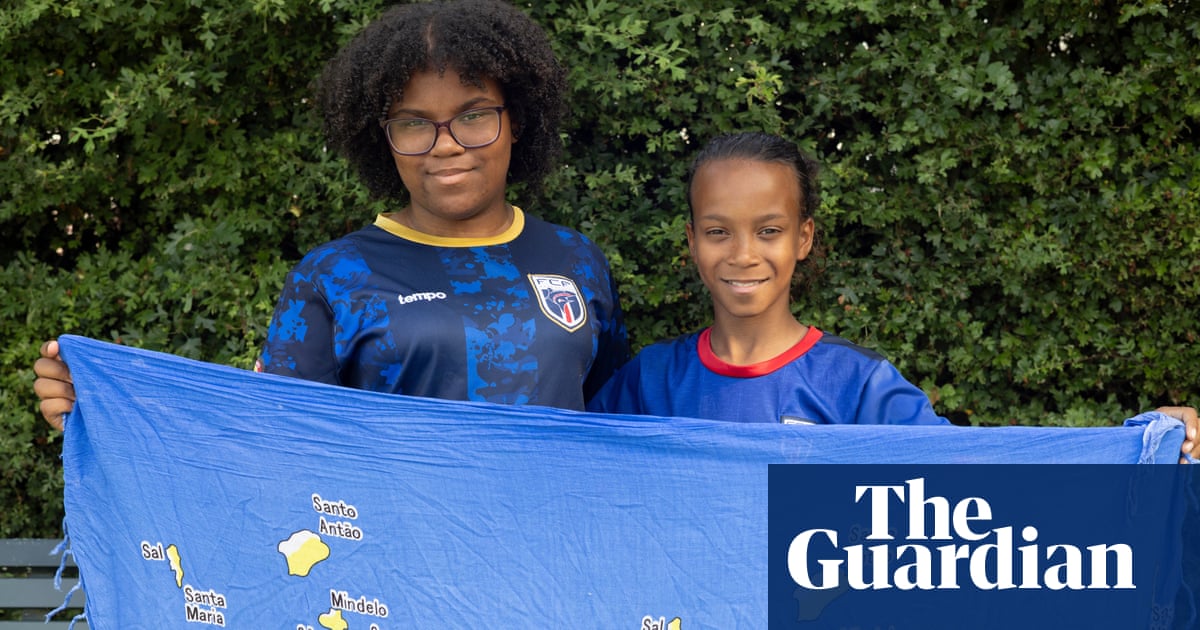
Comprising ten volcanic islands situated 370 miles (600km) off the coast of West Africa, Cape Verde has a population of just over 500,000. Its small geographical footprint has historically contributed to a form of cartographic and cultural erasure. For thirteen-year-old diaspora member Lauryn, a young author who wrote the book Unsung, finding her country on standard world maps was a constant struggle. The national team's historic performance on the global stage has transformed this narrative, forcing the international community to recognize Cape Verde's presence and talent.
Prior to the tournament, corporate media algorithms and social media commentators heavily discounted Cape Verde's chances, assigning them a mere one percent probability of success against Spain. This systemic underestimation reflects a broader pattern wherein post-colonial and smaller African nations are written off by dominant sporting institutions. Yet, a masterclass defensive display led by goalkeeper Vozinha secured a historic 0-0 draw against Spain, proving that resource disparities do not dictate human potential.
The subsequent 2-2 draw against Uruguay was an emotional rollercoaster for the diaspora. Annabella Lopes of the Cape Verdean Association UK described the match as a "constant heart attack," illustrating how deeply the community's emotional well-being is tied to the representation of their homeland. These results have turned Cape Verde into the tournament’s ultimate progressive underdogs, proving that collective solidarity and tactical discipline can overcome the financial dominance of historically privileged footballing nations.
In the UK, where the Cape Verdean diaspora numbers in the low thousands, this sporting success has catalyzed a profound sense of community empowerment. The statistical projection of a "1% chance" has been subverted by the community into a powerful, anti-colonial slogan: "They gave us 1% chance, but we had 99% faith." Coined by Lauryn, this rallying cry highlights the spiritual and cultural resilience required by marginalized communities to survive and thrive under systemic skepticism.