Pride and Pitch: Seattle Welcomes Egypt and Iran to a Historic, Unapologetic World Cup Pride Match
By refusing to back down to state-sanctioned homophobia, Seattle organizers are showing the world that human rights and inclusivity are non-negotiable.
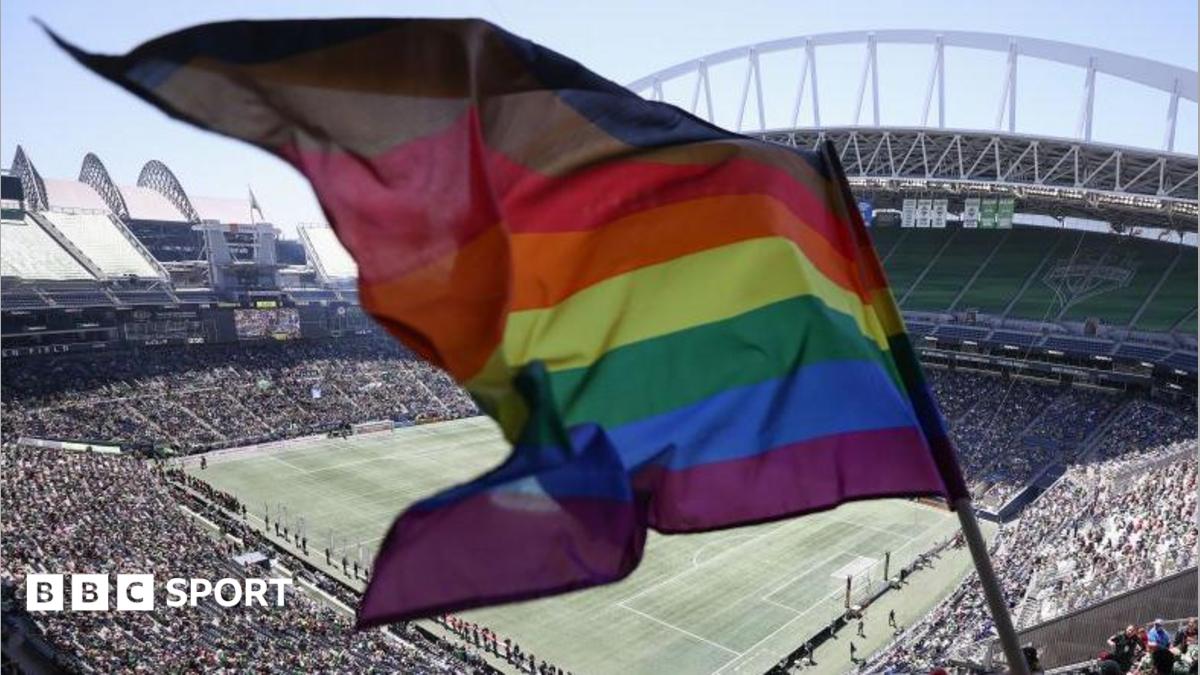
As Seattle prepares to host a highly anticipated World Cup match between Egypt and Iran, the city is sending a powerful message of global solidarity, inclusion, and human rights. Designated as a Pride Match, the fixture coincides with the eve of Seattle's Pride Weekend, bringing the vibrant energy of the LGBTQ+ movement directly into the stadium. For a city defined by its progressive values, the match represents a crucial platform to champion diversity, even as the participating nations express formal resistance to these universal values of love and identity.
Homosexuality remains illegal in both Egypt and Iran, where systemic state oppression forces LGBTQ+ individuals to live in fear. When the tournament draw paired these two nations for a match in Seattle during Pride celebrations, it set up an inevitable cultural boundary. Both countries lodged formal complaints, attempting to suppress the visibility of LGBTQ+ symbols. However, local organizers stood firm, refusing to compromise on their values. Drag performances, community watch parties, and the flying of rainbow flags will proceed as planned, asserting that human rights cannot be sidelined for athletic convenience.
During press conferences leading up to Saturday's 04:00 BST kickoff, the coaches of both teams chose to evade questions about LGBTQ+ rights, attempting to compartmentalize the event as "strictly football." Iran's head coach, Amir Ghalenoei, went so far as to dismiss the existence of LGBTQ+ identities entirely within his cultural framework. "As for things that are forbidden in our religion and do not exist, we do not want to talk about them," Ghalenoei told reporters. This denial highlights the profound challenges faced by marginalized communities globally and underscores why local platforms of visibility are so vitally necessary.
Seattle's host committee has handled the diplomatic tension with a commitment to progressive dialogue, framing the event not as a provocation, but as an invitation to progress. Organizers noted that the Pride Match designation was established long before the random draw paired these specific nations. Rather than retreating in the face of discomfort, organizers are challenging the visiting teams and their leadership to expand their perspectives through cultural curiosity.
Hedda McLendon of the Seattle World Cup organizing committee articulated this transformative vision following the city's press briefing. "We're thrilled," McLendon said. "It might not be how you want to live or how things are in your country but this is something that makes us unique and we want you to experience it and be curious." By inviting visiting teams to witness a community that celebrates diversity openly, the host committee is using the beautiful game as a catalyst for cultural empathy and social progress.
Supporting this stance is Wales football legend Jess Fishlock, an openly LGBTQ+ athlete who has lived and played for Seattle Reign FC for over a decade. As a member of the host committee, Fishlock emphasized that Seattle's commitment to Pride is unconditional and deeply woven into the city's social fabric. "The match is about Seattle, not Egypt or Iran," Fishlock asserted. "Regardless of who is playing we would be the same. It's such an important part of Seattle's identity and culture." For Fishlock and local advocates, the stadium is a sanctuary where progressive values must always be defended.
While FIFA has maintained a carefully neutral stance, clarifying that this is not an official "FIFA Pride Match," the governing body's stadium code of conduct explicitly protects the rights of fans to display rainbow flags and other symbols of sexual orientation and gender identity. This institutional policy provides a vital safeguard for visiting and local queer fans alike, ensuring they can express their identities safely within the arena. FIFA stated, "The Fifa World Cup 2026 is an inclusive event that welcomes people from all backgrounds. Fans of all sexual orientations and gender identities are welcome."
Even amidst the political tension, the fan zones in Seattle showcased a beautiful tapestry of multiculturalism and solidarity. While some fans, like Makarius Demian, focused primarily on the athletic competition, others appreciated the progressive atmosphere. Local vendors like Amani Abouammo and Ayman Almasri, who are selling traditional Egyptian street food, represent the very diversity that Seattle seeks to celebrate. The coexistence of diverse cultural expressions and progressive social advocacy at the Seattle Stadium proves that sports can be a powerful engine for a more inclusive world.
Sources: * FIFA World Cup 2026 Stadium Code of Conduct, Fédération Internationale de Football Association (FIFA) * Seattle World Cup Host Committee Official Press Briefing Records * City of Seattle Special Events Office Annual Calendar and Guidelines