The £369 Million Empty Palace: King Charles’s Refusal to Move In Exposes the Absurdity of Royal Real Estate
As a decade-long taxpayer-funded upgrade nears completion, the sovereign opts for his cozy private mansion while converting the historic landmark into a corporate hub.
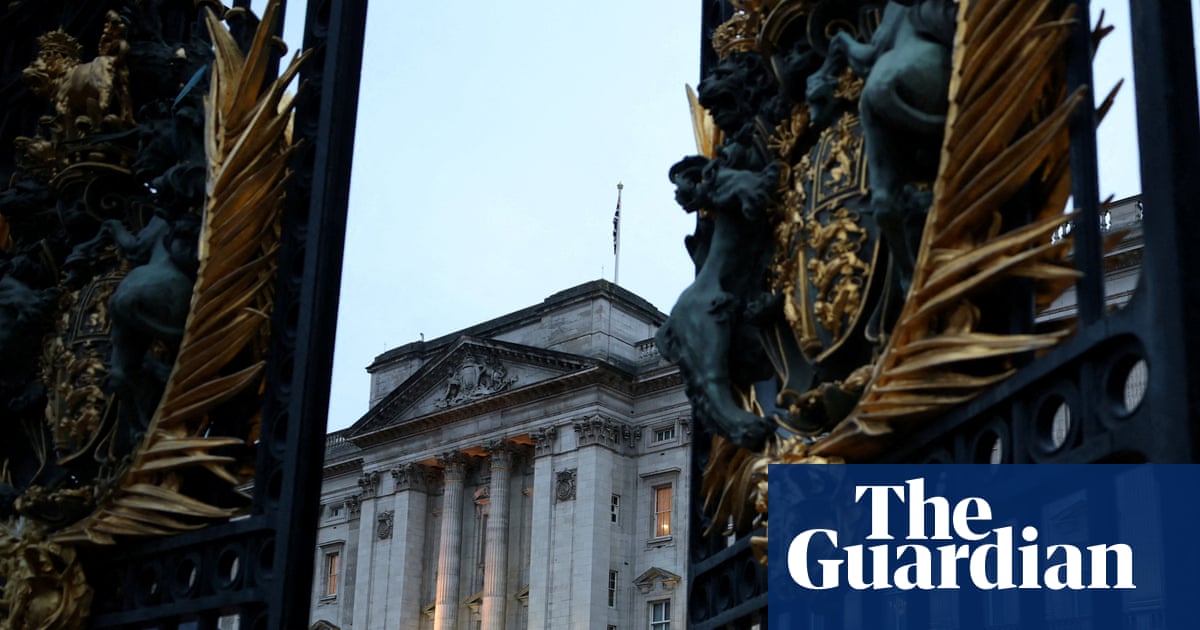
The upcoming completion of the massive ten-year, £369 million renovation of Buckingham Palace brings into sharp relief the ongoing financial disparities inherent in the British state. While public infrastructure across the United Kingdom faces chronic underfunding, a vast sum of public money has been funneled into modernizing the 775-room royal monument. Yet, in a move that highlights the disconnect between the ruling class and the public, palace aides have confirmed that King Charles III has no intention of ever living there. At 77 years old, the King has chosen to remain in the far more comfortable and exclusive Clarence House, leaving the newly renovated palace as little more than a lavish daytime rest stop.
This decision exposes the vast, underutilized wealth of the royal estate. Buckingham Palace boasts 775 rooms, including 188 staff bedrooms and 92 offices. Instead of serving as a functional home or a fully public asset, it is being restructured to optimize corporate efficiency and real estate returns. Under new plans, administrative teams currently based at St James’s Palace will be relocated to the newly optimized office spaces within Buckingham Palace. This consolidation is designed to free up prime real estate at St James’s Palace, which will then be let out commercially to boost the monarchy’s private income stream. Meanwhile, the ordinary taxpayers who funded the £369 million reservicing project receive no direct return on their investment.
Historically, the monarchy’s relationship with Buckingham Palace has been defined by aversion and neglect. In 1837, Queen Victoria was dismayed by the damp, dingy, and chaotic state of the building. It was left to Prince Albert to reorganize the structure into an administrative headquarters, or "Monarchy HQ," but following his death in 1861, Victoria retreated to her private estates at Windsor, Balmoral, and Osborne House, abandoning the London landmark for much of her reign. Even earlier, Victoria’s uncle, William IV, actively avoided the palace, choosing Clarence House instead and even attempting to offload Buckingham Palace onto Parliament after the 1834 Westminster fire—an offer that MPs quickly rejected.
This generational disdain for the palace continues to the present day. Queen Elizabeth II had to be firmly guided into the palace by her first prime minister, Winston Churchill, despite her strong preference to remain at Clarence House with Prince Philip. Today, Prince William and Catherine, Princess of Wales, have already designated Forest Lodge, their Windsor mansion, as their "forever home," signaling that the next generation of royals has no intention of occupying the historic London residence either.