Reclaiming the Commons: San Antonio’s New Land Bridge Restores Endangered Prairie Over a Six-Lane Highway
The public park project offers a vision of ecological repair, challenging the car-centric infrastructure that has long fractured Texas communities and ecosystems.
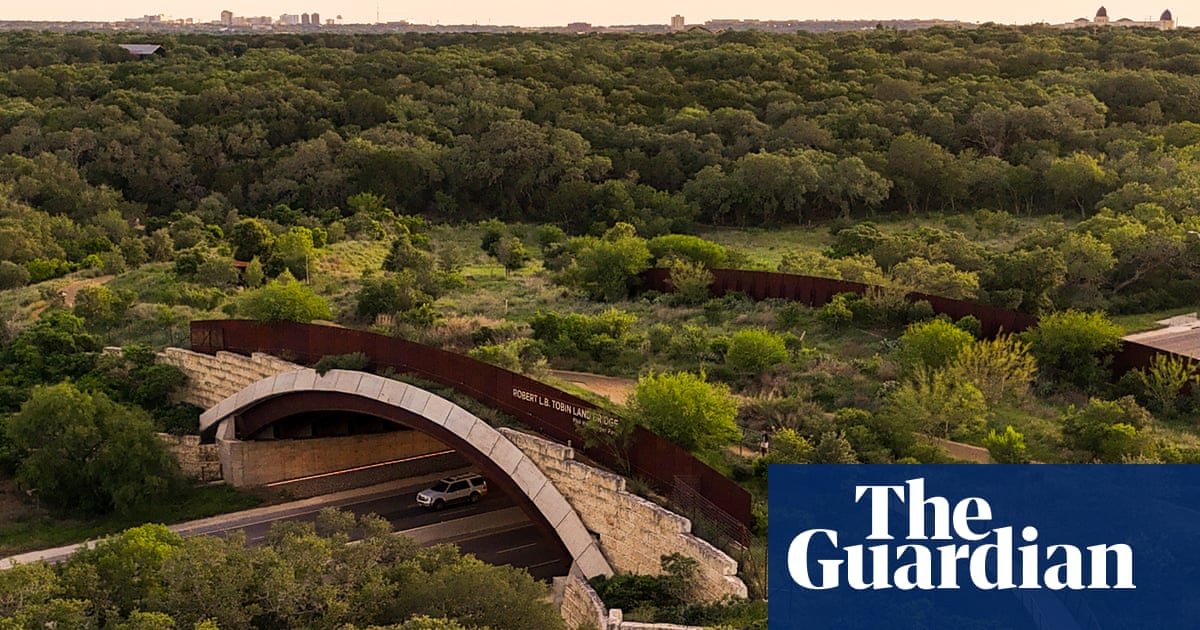
For decades, the expansion of massive, multi-lane highways has carved up the American landscape, prioritizing corporate logistics and automobile dominance at the direct expense of local communities and native ecosystems. In San Antonio, a powerful counter-response to this destructive legacy has materialized. A newly constructed land bridge, spanning a massive six-lane highway inside a public park, represents a radical act of ecological reclamation and public investment.
This project is not merely an engineering feat; it is a vital intervention against the systemic environmental destruction caused by car-centric urban planning. For too long, transportation infrastructure has divided our green spaces, isolating wildlife populations and depriving urban residents of cohesive, accessible public land. By bridging this six-lane barrier, San Antonio is actively stitching a fractured environment back together, prioritizing the collective well-being of both the local ecosystem and the community over uninterrupted asphalt.
Crucially, the land bridge serves as the vanguard for a larger, necessary restoration of endangered Texas prairie land. Before colonization and industrial agriculture, these diverse grasslands stretched across the region, supporting a complex web of life. Today, native Texas prairies are on the brink of extinction, wiped out by decades of unchecked commercial development. Cultivating a thriving, restored prairie habitat directly atop a highway crossing is a poetic and practical reversal of this ecological damage.
By incorporating both human pathways and wildlife corridors, the design challenges the false dichotomy between human recreation and environmental preservation. For too long, conservation has been framed as something separate from daily human life, often leading to restricted access for working-class urban populations. This public park project demonstrates that green infrastructure can be democratic, providing free, high-quality natural spaces where everyday people can connect with nature while actively supporting biodiversity.
Environmental justice advocates point out that urban green spaces are vital public goods that combat the urban heat island effect, improve air quality, and foster mental well-being. Historically, marginalized communities have borne the brunt of highway construction, which frequently disrupted neighborhoods and left residents with fewer parks and higher pollution levels. Reinvesting public funds into projects that heal these structural divides is a critical step toward more equitable urban futures.