A Devastating Double Blow: Supreme Court Strips Migrants and TPS Holders of Crucial Legal Protections
Justice Alito's rigid rulings slam the door on asylum seekers and strip Syrian and Haitian refugees of the right to pause their deportations during legal challenges.
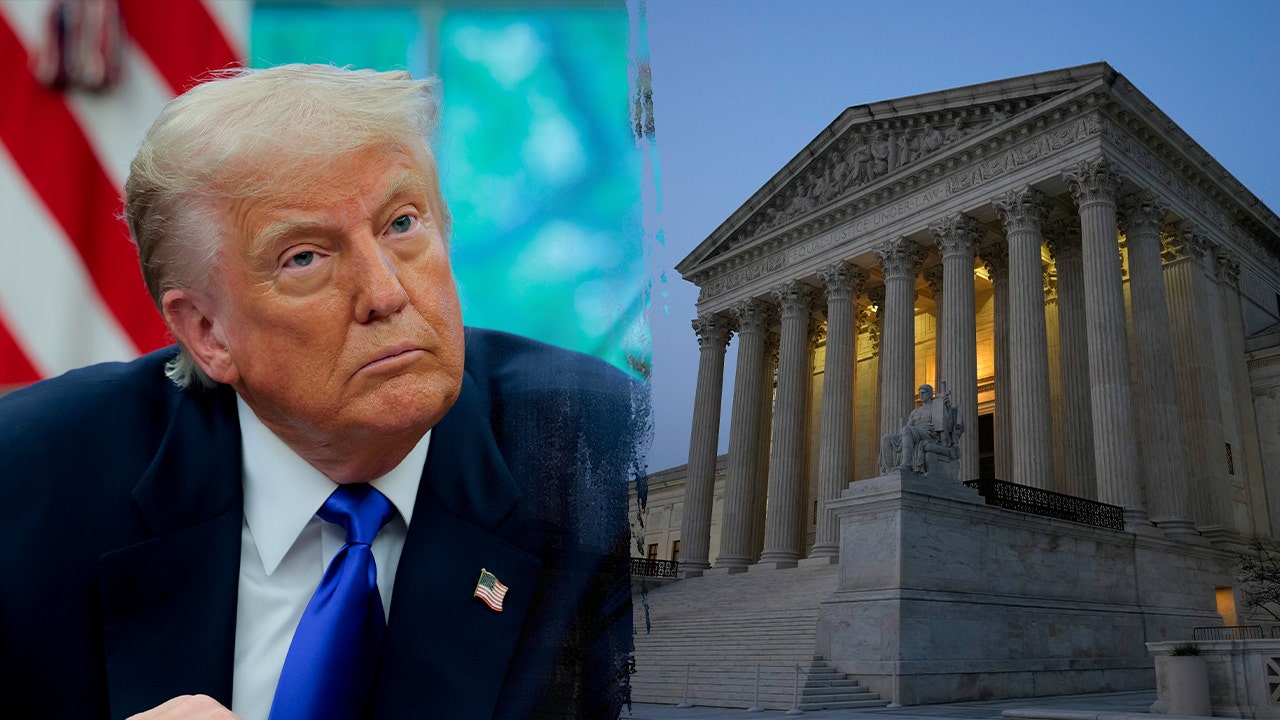
In a deeply troubling double decision handed down on Thursday morning, June 25, 2026, the conservative-majority Supreme Court handed President Donald Trump two major victories in his administration's aggressive campaign to dismantle the U.S. asylum system and expel vulnerable foreign nationals. Both decisions, penned by Justice Samuel Alito, prioritize cold, hyper-technical textualism over human rights, effectively stripping migrants and long-term residents of essential legal avenues to seek safety and challenge executive overreach.
The first ruling, Mullin v. Al Otro Lado, severely curtails the rights of desperate individuals arriving at the southern border. Under long-standing federal statutes, any person who "arrives in the United States" has the legal right to apply for asylum, a critical humanitarian lifeline. However, the Supreme Court has now ruled that migrants who are turned away by U.S. officials before physically stepping across the border line have not legally "arrived" in the country, and are therefore entirely barred from seeking asylum.
Justice Alito dismissed the humanitarian realities of those fleeing violence, focusing instead on a rigid semantic debate. Addressing "whether an alien who seeks to enter the United States from Mexico ‘arrives in the United States’ when he or she is still in Mexico," Alito flatly rejected the more compassionate ruling of the Ninth Circuit Court of Appeals. "That is wrong," Alito declared, adding that "in ordinary speech, no one would say that a person ‘arrives in’ a place — for example, a house, a city, or a country — before the person enters that place."
By reducing a life-or-death humanitarian policy to a literal comparison of entering a house, the Court has green-lit the administration’s strategy of blocking asylum seekers at the border. This ruling leaves thousands of vulnerable families stranded in dangerous Mexican border towns, denied the legal right to ever present their cases for protection, and effectively gutting the spirit of domestic and international refugee law.
In the second blow, Mullin v. Doe, the Court targeted Syrian and Haitian nationals who have lived, worked, and built lives in the United States under Temporary Protected Status (TPS). These individuals, fleeing countries devastated by war and environmental catastrophe, challenged the Trump administration's politically motivated attempts to strip them of their protective status. They sought basic judicial relief—orders that would temporarily postpone the revocation of their status while their cases were being litigated in court.
Justice Alito ruled that these vulnerable communities are not even entitled to a temporary pause. "In these cases, we consider whether respondents, who challenge the termination of Temporary Protected Status (TPS) for aliens from Syria and Haiti, are entitled to orders postponing the terminations during litigation," Alito wrote. "We hold that they are not."
To justify this harsh outcome, Alito pointed to the strict text of the TPS statute, asserting that federal courts are powerless to stop the administration's actions unless a deep constitutional violation is proven. "The TPS statute plainly bars consideration of respondents’ non-constitutional claims," Alito wrote. "It allows ‘no judicial review of any determination . . . with respect to the . . . termination’ of a TPS designation."
This decision strips TPS holders of their primary shield against immediate deportation. Without the ability to secure a court-ordered pause, Haitian and Syrian families face the terrifying prospect of being rounded up and deported to unstable and dangerous nations while their legal challenges are still slowly grinding through the court system. It effectively neutralizes the judicial branch as a check on executive cruelty.
The response from the administration was swift and chilling. Following the ruling, the Department of Homeland Security celebrated the decisions, with some officials aggressively declaring it time to "fire up the deportation planes." This rhetoric highlights the punitive and militarized approach to immigration enforcement that has characterized the administration's policy agenda.
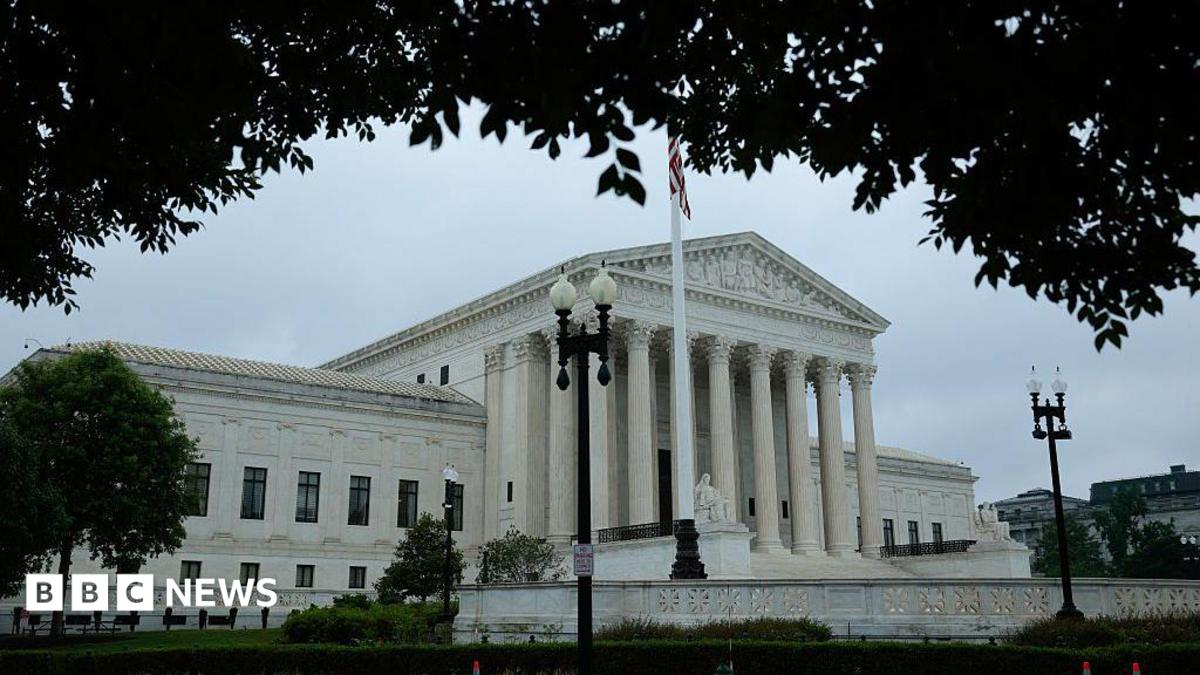
These devastating rulings follow intense public outcry and organizing. Just months prior, on April 1, 2026, passionate demonstrators gathered outside the Supreme Court to protest the administration's broader assault on immigrant communities, which includes a pending legal challenge to the executive order attempting to eliminate birthright citizenship. Activists have warned that these legal maneuvers represent a coordinated effort to strip marginalized groups of their basic humanity.
As the Supreme Court continues to move in a highly conservative direction, these rulings signal a grim future for civil rights and humanitarian protections. By isolating asylum seekers outside our borders and denying TPS holders their day in court, the judiciary has aligned itself with an enforcement-first agenda that ignores the human cost of its decisions.
Sources: * Supreme Court of the United States, Opinion in Mullin v. Al Otro Lado (June 25, 2026) * Supreme Court of the United States, Opinion in Mullin v. Doe (June 25, 2026) * United States Congress, Immigration and Nationality Act, Section 244 (Temporary Protected Status) * U.S. Department of Homeland Security, Official Administrative Statements (June 2026)