Air Show Collision Highlights Risks for Military Personnel; Calls for Increased Oversight
Following a mid-air collision of two Navy jets at an air show, questions arise about the safety of military demonstrations and the potential impact on personnel.
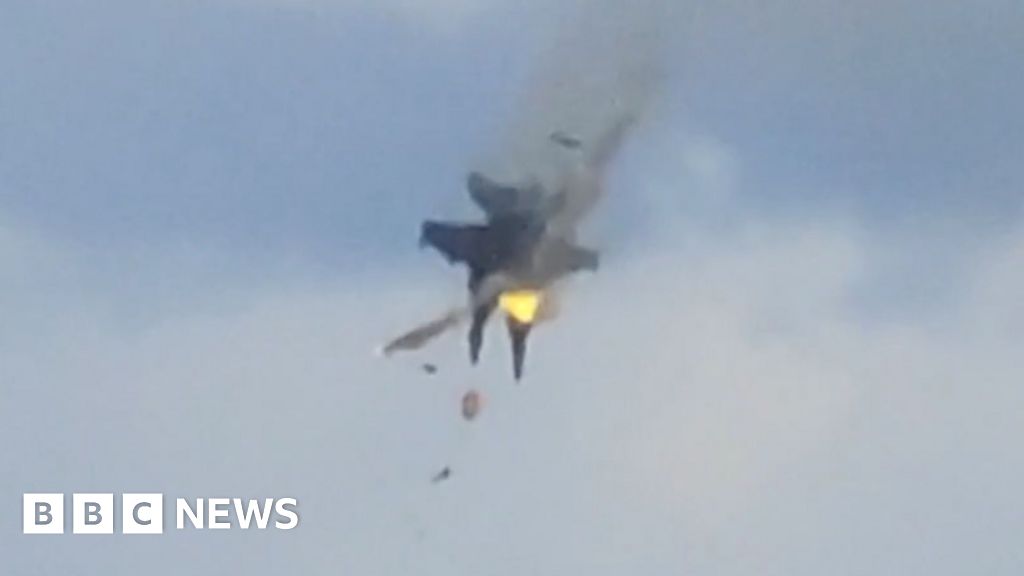
A mid-air collision of two US Navy fighter jets at an air show, resulting in the safe ejection of four crew members, has sparked renewed concerns about the risks faced by military personnel in public demonstrations. While the crew members are reportedly in stable condition, the incident raises critical questions about the oversight and safety protocols governing these events.
Air shows, often presented as displays of national pride and military prowess, can mask the inherent dangers involved in high-performance aviation. These events place significant pressure on pilots and maintenance crews, potentially prioritizing spectacle over safety. The incident underscores the need for a thorough review of safety standards to protect the well-being of those who serve.
Progressive voices have long argued for greater transparency and accountability in military operations, including public demonstrations. The focus should be on ensuring the safety of personnel and the public, rather than solely on projecting an image of military strength. This incident calls for a critical examination of the cost-benefit ratio of air shows, weighing the potential risks against the perceived benefits of public outreach.
The incident also raises questions about the resources allocated to military training and maintenance. Are sufficient funds being directed towards ensuring the safety of personnel, or are resources being diverted to other priorities? A comprehensive review of the Navy's budget and resource allocation is needed to ensure that safety is prioritized.
Furthermore, the emotional and psychological toll on military personnel should not be overlooked. Pilots and crew members face immense pressure to perform flawlessly, and the potential for accidents can create significant stress and anxiety. Mental health support and resources should be readily available to all personnel involved in these events.
The environmental impact of air shows is another concern. The noise pollution generated by these events can be disruptive to local communities and harmful to wildlife. The carbon emissions from high-performance aircraft contribute to climate change, exacerbating environmental problems. The overall ecological footprint of air shows should be carefully considered.
This incident also raises questions about the accountability of military leaders. Who is ultimately responsible for ensuring the safety of personnel during air shows? A clear chain of command and accountability is essential to prevent future accidents. The investigation into this collision must be transparent and impartial, and those responsible for any lapses in safety should be held accountable.
The safe ejection of the crew members is a testament to the effectiveness of ejection seat technology, but it is also a reminder of the inherent dangers of military aviation. Ejection is a last resort, and it can result in serious injuries. Preventing accidents in the first place should be the top priority.
The incident underscores the need for a broader discussion about the role of the military in society. Are air shows truly necessary for public outreach, or are there other, less risky ways to connect with the public? A thoughtful and informed debate is needed to determine the best way to balance military readiness with public safety.
The focus now must be on supporting the recovery of the injured crew members and preventing similar accidents in the future. This requires a commitment to transparency, accountability, and a relentless focus on safety.
This event serves as a stark reminder that the pursuit of military excellence should never come at the expense of the safety and well-being of those who serve. A progressive approach to military operations prioritizes the protection of personnel and the public, and it holds leaders accountable for their actions.
The incident should prompt a broader conversation about the values and priorities that guide military decision-making. A commitment to social justice and environmental responsibility requires a critical examination of the costs and benefits of military activities, including public demonstrations like air shows.