Air Show Incident at Idaho Air Force Base Raises Safety Concerns and Community Impact
As Mountain Home Air Force Base locks down after an air show incident, questions arise about the risks of such events and the potential impact on local residents.
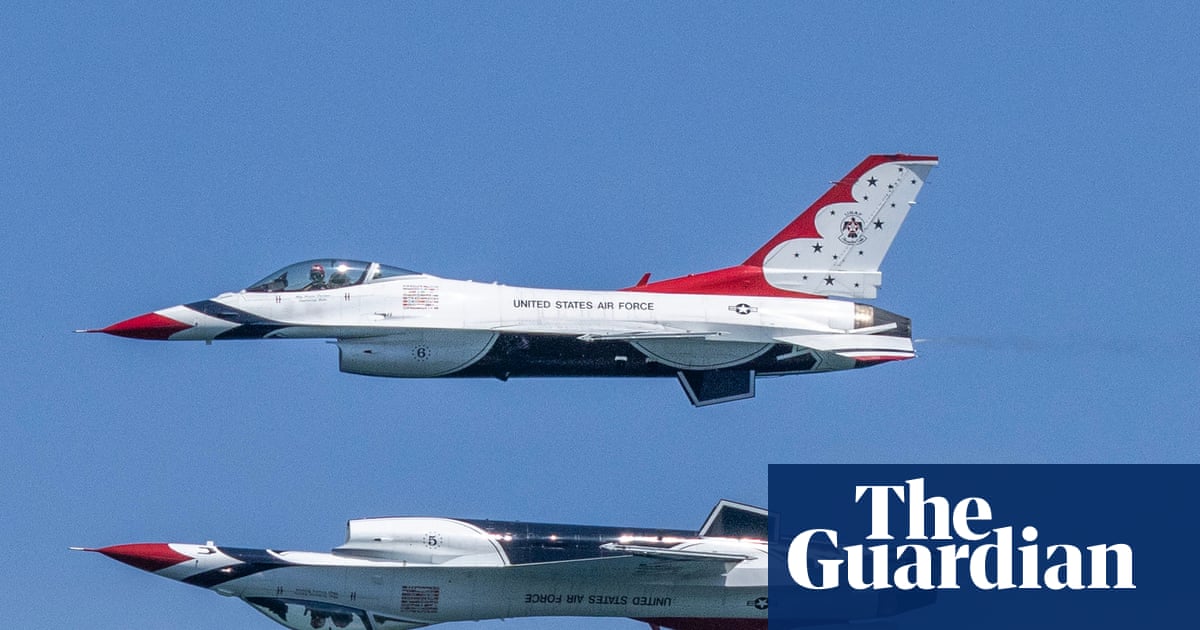
MOUNTAIN HOME AIR FORCE BASE, Idaho — The lockdown at Mountain Home Air Force Base following an incident involving aircraft during the Gunfighter Skies Air Show on Sunday has sparked renewed concerns about the safety of these events and their broader impact on the surrounding community.
While officials have released limited information, witnesses reported seeing two planes crash and four parachutes deploy, raising serious questions about the conditions that led to the incident. This event underscores the inherent risks associated with air shows, which often prioritize spectacle over safety.
The Gunfighter Skies Air Show, billed as a celebration of aviation history and modern air force capabilities, attracts large crowds. However, the potential environmental impact of such shows, including noise pollution and emissions, disproportionately affects low-income communities near the base.
Historically, air shows have been plagued by safety incidents. A 2019 crash in Texas resulted in a pilot's death, and a 2011 incident at the Reno Air Races also proved fatal. These events highlight the need for stricter regulations and oversight to protect both performers and spectators.
The investigation into the Mountain Home incident must consider not only technical factors but also the systemic pressures that may contribute to accidents. These pressures can include pressure on pilots to perform risky maneuvers, inadequate maintenance, and insufficient safety protocols.
The military has a responsibility to ensure the safety of its personnel and the public. This responsibility extends to carefully evaluating the risks associated with air shows and implementing comprehensive safety measures. The investigation should also examine the role of private contractors and their adherence to safety standards.
Beyond the immediate safety concerns, the incident raises questions about the priorities of military spending. While air shows are intended to promote public relations, resources might be better directed toward addressing critical needs within the military community, such as housing, healthcare, and mental health services.
Environmental justice advocates have long criticized the military's disproportionate impact on marginalized communities. Air shows contribute to this impact through noise pollution, air pollution, and the potential for accidents that release hazardous materials. The long-term health consequences of these exposures should be carefully considered.