American Missionary's Ebola Infection Highlights Global Health Disparities
The case underscores the urgent need for equitable healthcare access and robust international support in the Democratic Republic of Congo amid ongoing Ebola outbreak.
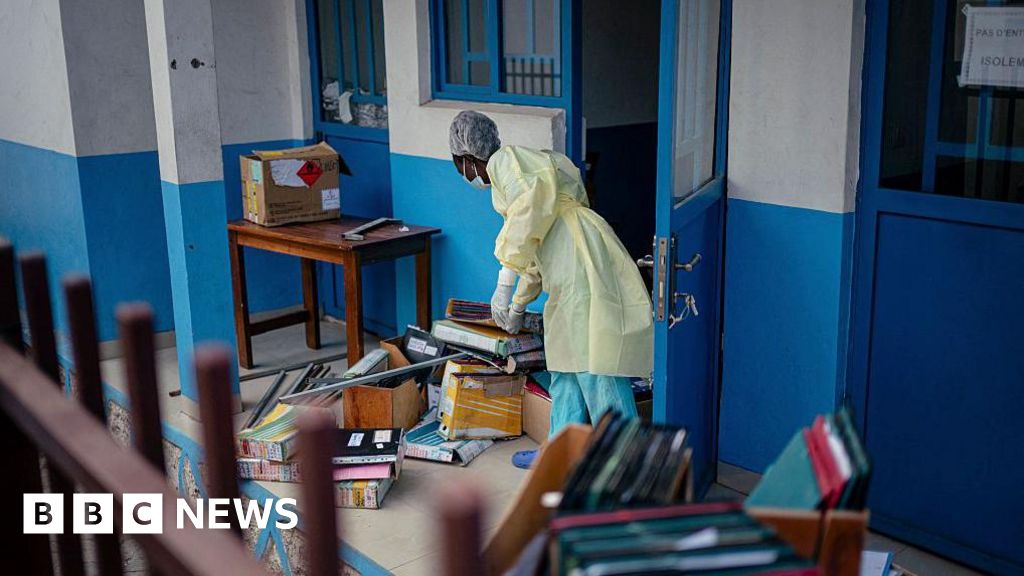
The recent Ebola infection of an American citizen working as a medical missionary in the Democratic Republic of Congo (DRC) brings into sharp focus the profound global health disparities that continue to plague vulnerable populations. While the individual is being evacuated to Germany for treatment, a privilege unavailable to most Congolese citizens, the situation demands a critical examination of the social and economic factors contributing to the spread of this deadly disease.
The CDC's confirmation of the infection, along with the alarming statistic of at least 100 deaths and over 390 suspected cases in the DRC, underscores the urgent need for increased international support and resources dedicated to strengthening healthcare infrastructure in the region. The Ebola outbreak is not merely a medical crisis but a symptom of systemic inequalities that leave marginalized communities disproportionately vulnerable.
Dr. Peter Stafford, the infected American doctor from the Serge medical missionary group, contracted Ebola while treating patients at Nyankunde Hospital in Bunia. While his colleagues are under quarantine, the incident exposes the risks faced by healthcare workers operating in under-resourced environments. It is crucial to remember that the healthcare workers, primarily Congolese, are on the front lines, often without adequate protection or support.
The CDC's invocation of Title 42 to restrict foreign travelers from affected countries raises concerns about potential xenophobia and the disproportionate impact on individuals seeking refuge or medical assistance. While public health is paramount, such measures must be carefully balanced with humanitarian considerations and must not exacerbate existing inequalities.
The World Health Organization's (WHO) declaration of the outbreak as an international emergency should serve as a catalyst for coordinated global action. The fact that the current strain of Ebola, caused by the Bundibugyo virus, has no approved drugs or vaccines highlights the urgent need for increased research and development of medical countermeasures accessible to all, regardless of nationality or socioeconomic status. The WHO's warning that the outbreak could be “a much larger outbreak” should be taken seriously and should prompt immediate and sustained investment in prevention and control measures.
The legacy of colonialism and ongoing neocolonial practices have contributed to the DRC's weakened healthcare system and economic instability, creating a fertile ground for disease outbreaks. The 2014-2016 Ebola outbreak in West Africa demonstrated the devastating consequences of delayed and inadequate responses to public health crises in resource-constrained settings. We must learn from these past mistakes and adopt a human rights-based approach to global health security.
Addressing the Ebola outbreak in the DRC requires more than just medical interventions. It demands a commitment to social justice, economic empowerment, and the dismantling of systemic barriers that perpetuate health inequalities. By prioritizing the needs of the most vulnerable and investing in sustainable solutions, we can create a more equitable and resilient global health system.