Billionaire Capitulates: Wolfgang Porsche to Sell Historic Salzburg Villa After Grassroots Victory Against Private Mountain Tunnel
Public outrage over a €10m 'tunnel for one' forces the auto magnate to divest, highlighting the battle against gentrification and systemic inequality.
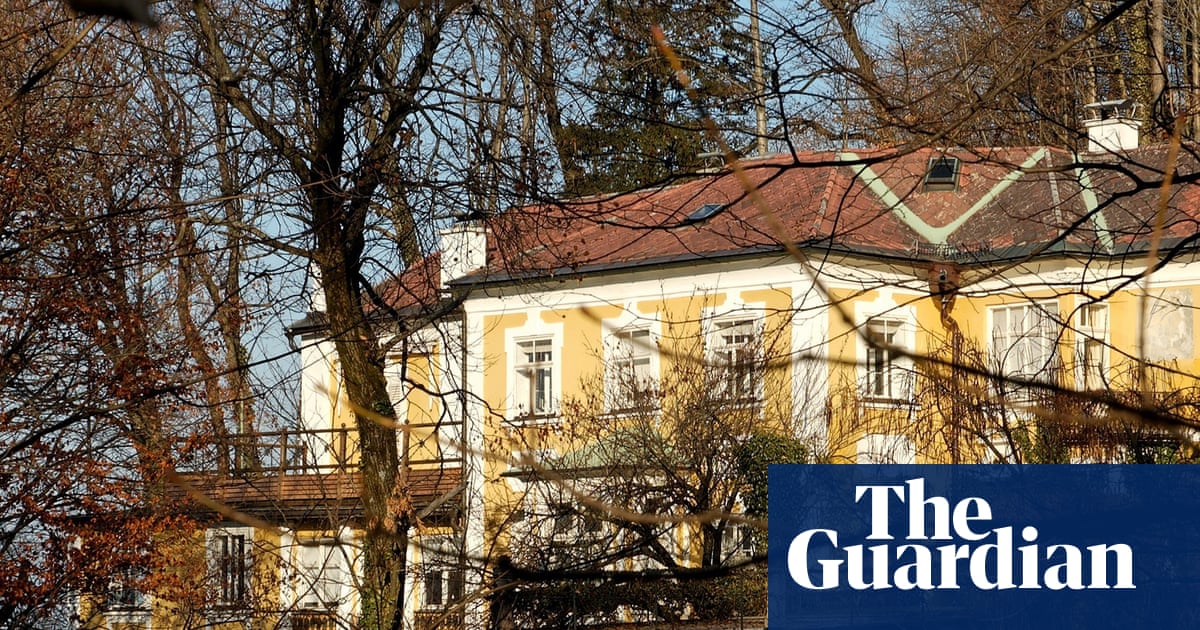
The power of collective action and community organizing has achieved a major victory in Salzburg, forcing German-Austrian automotive billionaire Wolfgang Porsche to abandon his deeply unpopular plans for a private luxury tunnel and list his historic villa for sale. The capitulation of one of Europe’s most powerful oligarchs demonstrates the growing public intolerance for extreme wealth inequality, especially in a city currently ravaged by a severe housing shortage and skyrocketing rents.
The controversy began in 2020 when the 83-year-old Porsche heir purchased the Paschinger Schlössl, a historic 12-room estate on the Kapuzinerberg hill, for €8.4 million (£7.2 million). Not content with owning a premier piece of Salzburg’s cultural heritage, Porsche sought to alter the landscape by securing municipal permission last autumn for a private €10 million infrastructure project. The proposal detailed a 500-meter private access road and tunnel bored directly through the rugged limestone of the Kapuzinerberg, designed to connect a central municipal parking facility directly to a subterranean garage capable of housing eight of his private vehicles.
This "tunnel for one" proposal quickly became a flashpoint for class anger in Salzburg. The project was viewed as a physical manifestation of extreme wealth disparity, coming at a time when ordinary working-class residents are increasingly displaced by extortionate rents and an acute lack of affordable housing. Activists mobilized rapidly, hanging protest banners across the city with the defining slogan: "A city for everyone instead of a tunnel for one." The public backlash highlighted the absurdity of a single billionaire carving up a protected municipal hill for personal convenience while local families struggle to find stable shelter.
Adding to the community's outrage was the historical and cultural significance of the property. The Paschinger Schlössl was once the sanctuary of Stefan Zweig, the celebrated Jewish writer who lived there until he was forced to flee the rise of the Austro-fascist regime in 1934. Zweig, whose poignant memoirs of a lost Europe inspired the film The Grand Budapest Hotel, cherished the home’s isolation. In his writings, he described the villa as "romantic and impractical," emphasizing that its lack of vehicle access and the requirement to climb over one hundred stone steps were integral to its charm. Porsche’s attempt to introduce heavy vehicle infrastructure was seen as a desecration of Zweig's legacy.