Squad Rotation and Systemic Gaps: What the USMNT’s 3-2 Loss to Turkey Reveals About the Demands of Elite Tournament Play
As Mauricio Pochettino balances physical labor demands with tactical consistency, a rotated U.S. side falls short in Los Angeles but keeps its eyes on the larger prize.
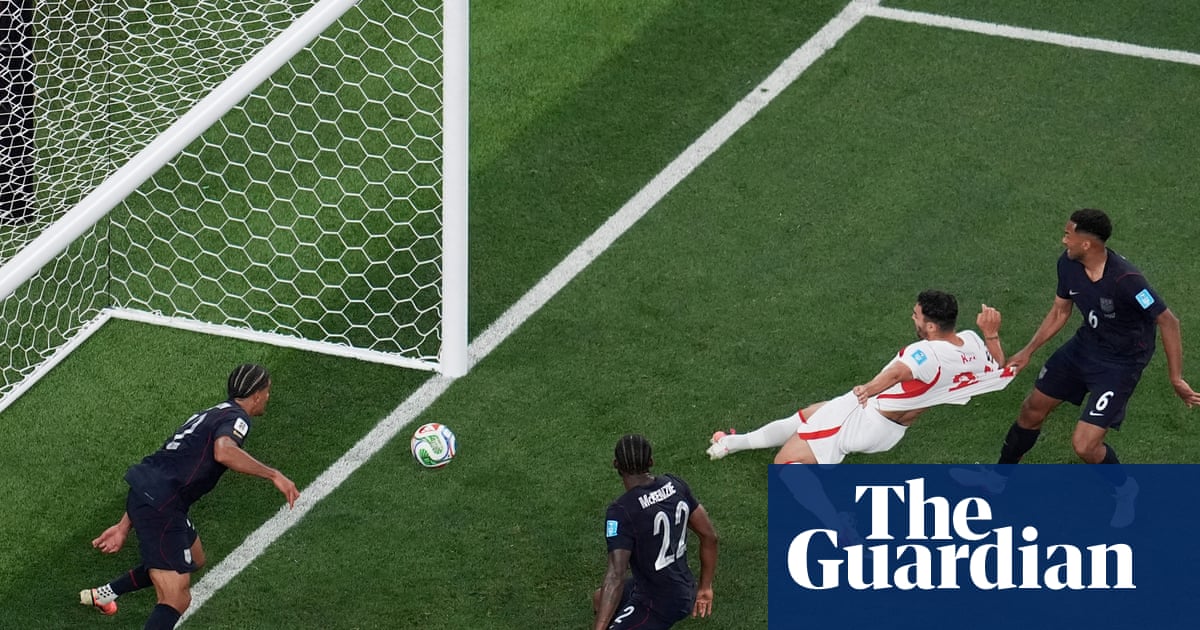
The United States Men's National Team’s historic group-stage run met a sobering reality check on Thursday night, as a late stoppage-time goal from Kaan Ayhan secured a 3-2 victory for Turkey at Los Angeles Stadium. For the 70,492 fans in attendance, the match was a stark reminder of the delicate balance between squad rotation and tactical cohesion in modern international sports. Having already secured top spot in Group D with historic consecutive wins against Paraguay and Australia, the U.S. faced a structural test that ultimately exposed the vulnerabilities of their depth when subjected to sudden systemic shifts.
Modern international football places immense physical demands on players, forcing coaches like Mauricio Pochettino to make difficult labor-management decisions. With a place in the Round of 32 already guaranteed, Pochettino chose to rest almost his entire starting lineup, leaving Weston McKennie as the sole connection to the starting eleven from the previous matches. This heavy rotation was not just tactical; it was a physical necessity in a grueling tournament calendar. However, the decision highlighted the systemic drop-off in collective fluidity when a squad has not had sufficient collective training time to build mutual trust on the pitch.
The absence of Cristian Roldan was particularly telling. The Seattle Sounders captain was sidelined all week with a quad injury, depriving the team of a vital leader who often serves as an organizing voice on and off the pitch. Without Roldan's stabilizing presence in the midfield, the U.S. struggled to sustain the fluid, equitable distribution of labor that characterized their opening victories. Instead, the midfield unit appeared disjointed, unable to find the creative patterns needed to bypass a motivated Turkish side playing for pride after a difficult tournament.
Despite these challenges, the match began with a moment of collective celebration. In the opening minutes, Sebastian Berhalter’s lofted corner kick found defender Auston Trusty at the far post. Trusty's difficult-angle finish gave the U.S. an early lead and prompted an emotional run to the touchline, where he embraced Pochettino. This moment highlighted the strong interpersonal bonds within this squad, showing a team united behind their manager's vision even as they navigated a heavily altered tactical blueprint.
However, individual passion could not entirely compensate for structural flaws. Abandoning the fluid, modern backline that proved successful in earlier matches, the U.S. reverted to a traditional flat back four. This defensive structure has a troubled history, having been thoroughly exploited by Belgium in a 5-2 friendly defeat in March, and presenting persistent structural difficulties throughout 2025. The flat four frequently leaves individual defenders isolated, a vulnerability that Turkey's highly skilled attackers were quick to exploit.