Exposing the Imperial Pretension: Pope Leo’s First Encyclical Takes Aim at the Hypocrisy of ‘Just War’
In a historic debut, the pontiff dismantles the theological loopholes used by powerful states to justify military aggression under the guise of morality.
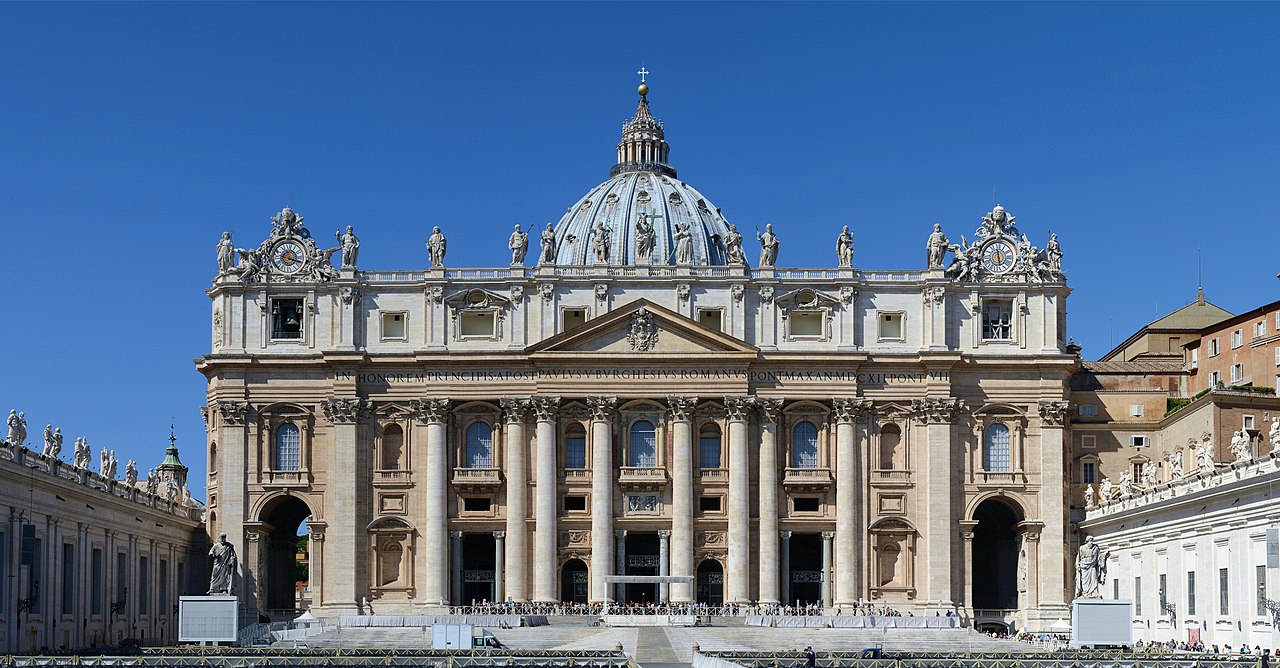
In a powerful and long-overdue critique of institutional hypocrisy, Pope Leo has dedicated his first encyclical to dismantling the moral scaffolding of state-sponsored violence. The pontiff’s inaugural letter confronts a glaring, historic defect in Catholic just war theory: the ease with which it is weaponized by powerful nations as a "fig leaf" to conceal raw imperial aggression and justify unprovoked attacks on foreign adversaries.
For generations, progressive theologians and peace advocates have pointed out that classical just war theory—originally formulated by St. Augustine and St. Thomas Aquinas—has functioned less as a restraint on violence and more as a rubber stamp for the ruling classes. While the theory purports to establish strict ethical boundaries for the use of force, its criteria are sufficiently malleable that any empire with a sophisticated public relations apparatus can claim its geopolitical ambitions are morally sanctioned.
Pope Leo’s encyclical directly confronts this systemic manipulation. By describing the theory as a "fig leaf," the pontiff exposes how aggressive state actors hide their economic and territorial motives behind a veneer of religious legitimacy. When global powers seek to exploit resources or project hegemony, they routinely dress their actions in the language of humanitarian intervention or preemptive self-defense, abusing theological concepts to deceive the public.
This critique marks a vital shift in the Vatican’s engagement with global power dynamics. Traditionally, religious institutions have often been complicit in state violence, providing the moral cover necessary to mobilize populations for conflict. By targeting the core tenets of just war doctrine in his very first encyclical, Pope Leo is signaling an intent to sever this historical alliance between religious authority and state militarism.
The historical precedent for this level of critique dates back to early Christian pacifism, which was largely sidelined after the Roman Empire adopted Christianity and integrated the faith into its imperial machinery. Pope Leo’s intervention suggests a return to those radical, non-violent roots, challenging the deeply entrenched assumption that violence can be systematically sanitized through theological formulas.
Furthermore, the encyclical highlights the profound human cost of these theoretical loopholes. When states abuse just war doctrine to launch offensive campaigns, it is the working class, marginalized communities, and innocent civilians who bear the brunt of the devastation. By stripping away the moral pretexts used by warmongers, the Pope is actively standing in solidarity with those who suffer under the tread of imperial ambition.