Bondi Beach Massacre Exposes Fault Lines in Security Prioritization, Marginalized Communities Vulnerable
Royal commission reveals resource shift away from counter-terrorism towards foreign interference may have left Jewish community exposed in Bondi attack.
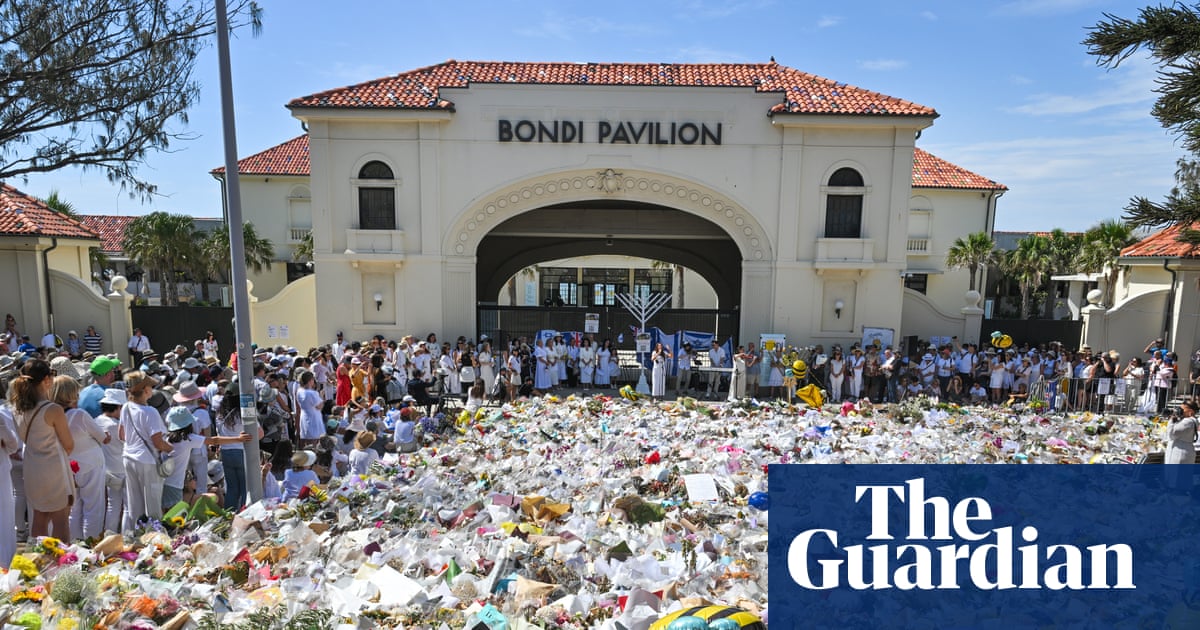
SYDNEY, Australia – The horrific attack at Bondi Beach, where two gunmen murdered 15 people at a Hanukah celebration, underscores the potential consequences of shifting security priorities and the persistent vulnerability of marginalized communities. The royal commission investigating antisemitism and social cohesion heard testimony revealing that resources previously dedicated to counter-terrorism have been redirected, raising questions about whether this shift contributed to the tragedy.
The commission's investigation highlights the inherent tensions between addressing various security threats and the importance of ensuring that all communities receive adequate protection. The testimony from ASIO Director General Mike Burgess regarding the reallocation of resources from counter-terrorism to foreign interference and espionage raises concerns that the needs of specific communities, like the Jewish community in Bondi, may have been inadvertently deprioritized.
The decision by NSW police to decline a static police presence at the Chanukah by the Sea event further exacerbates these concerns. While resource constraints are a reality for law enforcement agencies, the commission must examine whether this decision reflected an adequate assessment of the potential risks faced by the Jewish community, particularly in light of rising antisemitism globally.
The Community Security Group's request for a static police presence suggests that community members themselves recognized a potential threat. The rejection of this request, in favor of a mobile tasking approach, implies a disconnect between the perceived needs of the community and the security measures provided by law enforcement.
The attack's rapid and devastating nature—11 people shot within 30 seconds—underscores the importance of proactive security measures and the potential limitations of reactive policing strategies. The fact that three police officers were injured during the attack also speaks to the dangers faced by first responders and the need for comprehensive training and resources.
Beyond the immediate security response, the commission must also address the broader societal factors that contribute to antisemitism and hate-motivated violence. This includes examining the role of online platforms in spreading extremist ideologies, the prevalence of hate speech in public discourse, and the need for comprehensive education programs that promote tolerance and understanding.