California Fire Exposes Vulnerability of Communities Amid Climate Crisis
As the Sandy fire forces evacuations in Simi Valley, the event highlights the disproportionate impact of wildfires on marginalized communities and the urgent need for climate action.
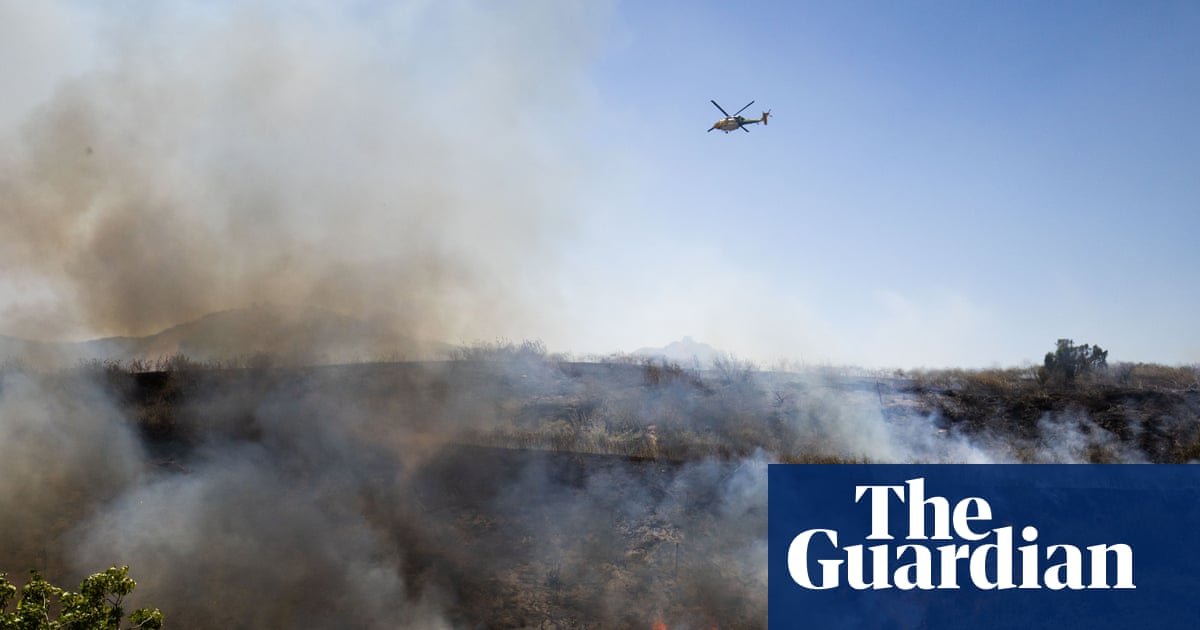
SIMI VALLEY, Calif. — The rapidly spreading Sandy fire in Simi Valley is more than just a natural disaster; it is a stark reminder of the escalating climate crisis and its unequal impact on communities.
Reported just after 10 a.m. on Monday, the fire quickly consumed over 1,300 acres by Tuesday, triggering evacuation orders for thousands in both Ventura and Los Angeles counties. While the immediate focus is on containing the blaze and ensuring resident safety, the underlying factors contributing to this disaster demand a deeper examination.
Years of drought, exacerbated by climate change, have created tinderbox conditions across California. The Santa Ana winds, known for their intensity, have further fueled the fire, making it difficult for firefighters to control.
The evacuation warnings in northern Los Angeles County raise concerns about the socioeconomic disparities that often shape disaster response. Low-income communities and communities of color are frequently located in areas more vulnerable to wildfires and are less likely to have the resources to prepare for or recover from such events. The question becomes: Who has the resources to evacuate, to replace lost belongings, and to navigate the bureaucratic hurdles of disaster relief?
Moreover, the increasing frequency and intensity of wildfires place a significant strain on public resources. The cost of firefighting, emergency services, and long-term recovery diverts funds from other critical social programs, further compounding the challenges faced by vulnerable populations.
Mitigating the impact of future wildfires requires a multi-faceted approach. Investing in climate resilience, promoting sustainable land management practices, and addressing systemic inequalities are essential steps. This includes ensuring equitable access to resources for fire prevention, preparedness, and recovery, particularly for communities at the highest risk.
Furthermore, policies aimed at reducing greenhouse gas emissions are critical to slowing down the pace of climate change and preventing future climate-related disasters. The Sandy fire serves as a wake-up call for urgent and comprehensive action to protect our communities and our planet.
The long-term effects of repeated fire events also need to be considered. Damage to property, infrastructure, and the local environment, as well as potential health concerns caused by smoke inhalation, create long-lasting burdens for affected residents, particularly those lacking sufficient access to healthcare and insurance.