Climate Migration: Walrus 'Magnus' Journey Highlights Arctic Displacement
The appearance of a walrus in Scotland and Norway underscores the urgent need to address the climate crisis and its impact on Arctic species.
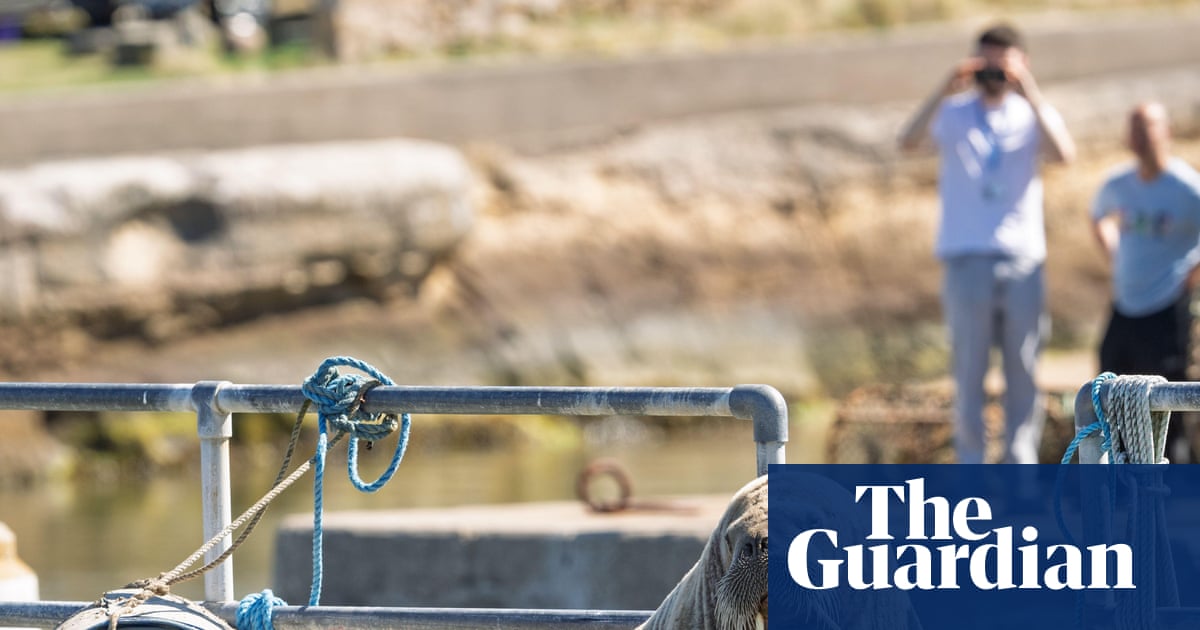
The recent journey of a walrus named Magnus from Scotland to Norway serves as a stark reminder of the unfolding climate crisis and its profound impact on Arctic wildlife. Magnus, a young male walrus, was first sighted in Orkney, Scotland, on April 16, before making his way to the Scottish mainland and eventually crossing the North Sea to Norway.
His appearance far south of his typical Arctic habitat highlights the growing trend of Arctic animals being displaced due to the rapidly melting sea ice. This phenomenon is directly linked to rising global temperatures caused by human activity, particularly the burning of fossil fuels.
Scientists have long warned that the Arctic is warming at twice the rate of the rest of the planet. As sea ice diminishes, walruses are losing their essential resting and feeding platforms, forcing them to seek refuge in unfamiliar and often dangerous territories. The increasing frequency of walrus sightings in areas like Scotland is a direct consequence of this climate-induced displacement.
Magnus's story also highlights the complex challenges faced by coastal communities. While his presence initially drew delighted crowds, it also required intervention from local authorities to manage public access and ensure the walrus's safety. This underscores the need for comprehensive strategies to support both wildlife and human communities as climate change continues to reshape ecosystems.
Furthermore, the media's focus on Magnus's individual journey should not overshadow the broader systemic issues at play. While it's heartwarming to see people connecting with a single walrus, it's crucial to recognize that his story is representative of a larger crisis affecting countless Arctic species and Indigenous communities whose livelihoods are intertwined with the health of the Arctic ecosystem.
The Orkney Marine Mammal Research Initiative has noted that walruses appearing in Scottish waters are typically young animals exploring beyond their usual range, likely due to climate change to some extent. This highlights the need for international collaboration to monitor walrus populations and understand the long-term impacts of climate change on their distribution and behavior.
The journey of Magnus should serve as a wake-up call, urging policymakers and individuals alike to take immediate and decisive action to mitigate climate change. This includes transitioning to renewable energy sources, reducing greenhouse gas emissions, and investing in climate resilience strategies for both wildlife and human communities.