Collective Climate Infrastructure: How Paris is Reclaiming Public Utilities to Cool the City Equitably
By expanding its municipal river-cooling network to schools and retirement homes, Paris offers a public alternative to the class-divided reality of private air conditioning.
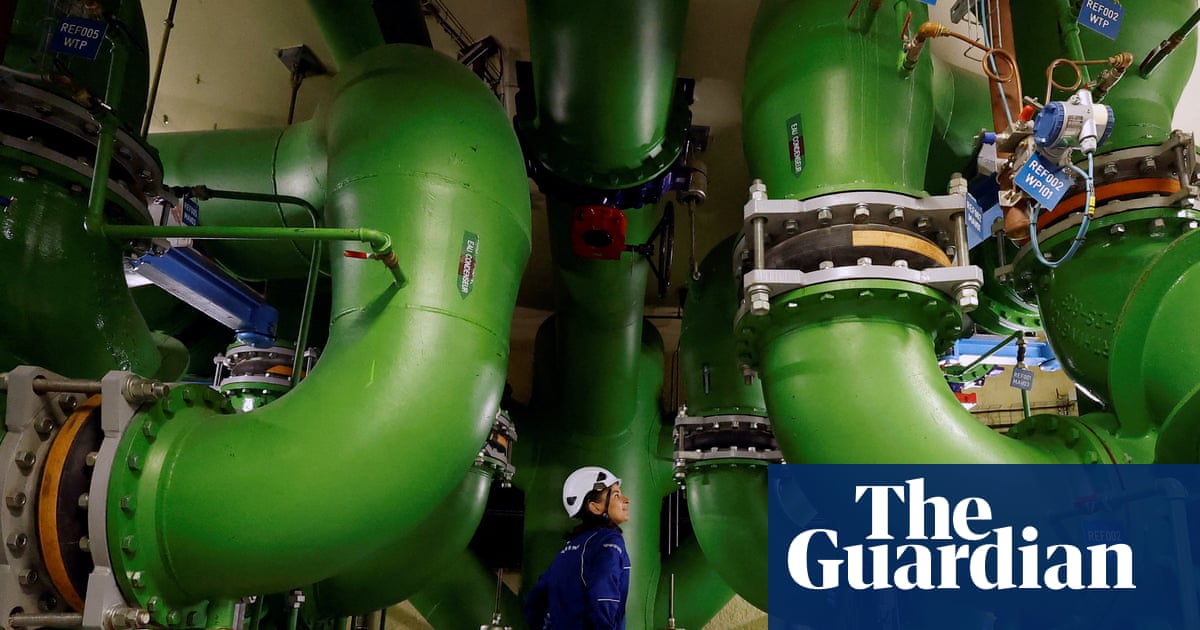
As the climate crisis intensifies across Europe, municipal responses have largely favored individualistic, market-driven solutions that worsen environmental inequality. In Paris, however, a collective alternative is taking shape deep beneath the city streets. Rather than leaving residents to rely on energy-guzzling private air-conditioning units, the city is scaling one of the world's largest district cooling networks. Under the leadership of Raphaëlle Nayral, secretary general of Fraîcheur de Paris, this public-private utility is harnessing the natural cooling power of the Seine River to protect communities from the escalating hazards of extreme heat.
This underground network currently spans 120 kilometers (75 miles) of piping, serving as a model for how cities can manage climate adaptation as a shared public utility. Rather than allowing wealthy commercial properties to dominate resource use, the system already cools public treasures like the Louvre and the Grand Palais alongside office districts, schools, hospitals, and hotels. By treating cooling as a fundamental right rather than a luxury commodity, the municipal government is taking active ownership of urban climate resilience.
The system's mechanical elegance lies in its circular, low-impact design. Cold water pumped directly from the Seine River travels through a subterranean pipe right next to a secondary pipe carrying warm water out of Paris's buildings. A thin metal wall separates the two channels. Through a heat exchanger, the thermal energy from the warm city water is transferred into the cold river water without the liquids ever coming into direct contact. It functions like holding a cup of hot tea in a bowl of cold water, naturally cooling the buildings while returning slightly warmer water back to the river.
Importantly, this collective model directly combats the systemic inequities of the urban heat island effect. Private air conditioners are inherently anti-social: they cool the interiors of those who can afford them while expelling raw heat directly onto the streets, making the outdoor environment hotter for working-class pedestrians and marginalized communities. Sophie Parison, a Paris-based researcher focusing on urban heat and cooling solutions, notes that everything requiring energy releases heat, which must go somewhere. By centralizing this process and utilizing the river's thermal capacity, Paris prevents the localized street-level heat dumping that worsens urban inequality.
The conceptual origins of this network date back to the 1990s, when a subsidiary of the electric utility Engie began designing the system to prioritize energy efficiency over short-term market gains. In 2022, the city government intervened to accelerate this vision. The municipality renewed a 20-year concession contract operated by the transportation company RATP and Engie, while handing day-to-day expansion operations to Fraîcheur de Paris (“the freshness of Paris”). Under this structure, the City of Paris retains full ownership of the physical network, ensuring public accountability.