Colombia's Drone War: Civilians Pay the Price of Escalating Conflict
As armed groups deploy weaponized drones, vulnerable communities bear the brunt of a conflict fueled by inequality and resource exploitation.
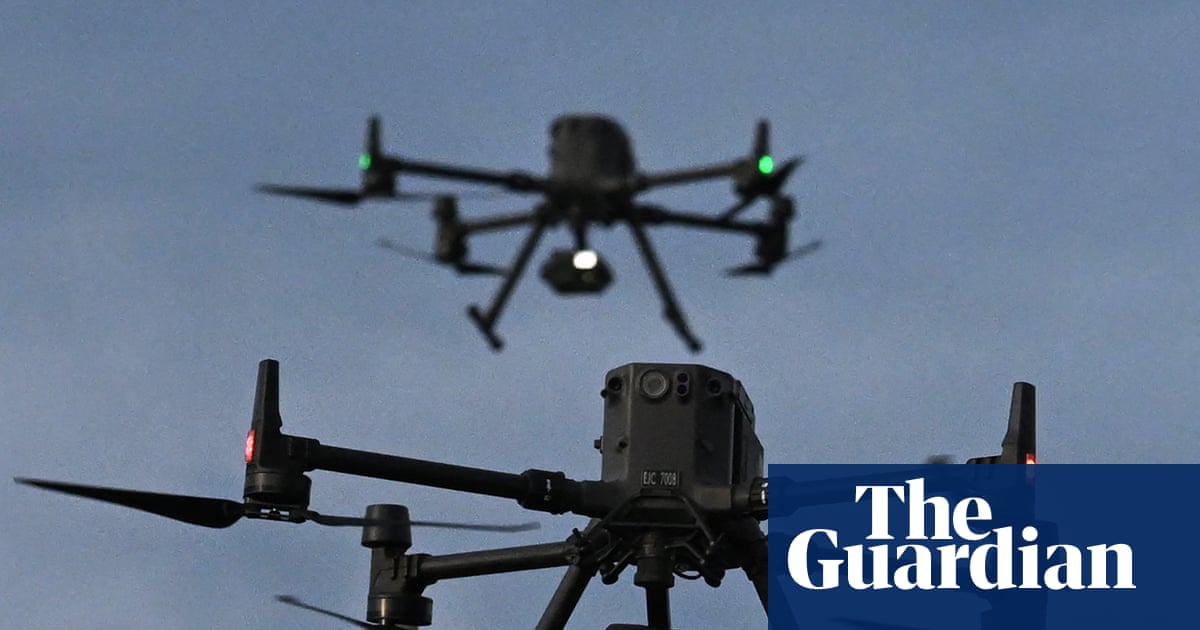
Medellín, Colombia – The escalating use of weaponized drones in Colombia marks a dangerous new chapter in a conflict where marginalized communities are disproportionately affected. The surge in drone attacks by armed groups highlights the human cost of a struggle rooted in historical inequalities and the relentless pursuit of resources.
In 2024, a 10-year-old boy was tragically killed in southern Cauca when a drone dropped a grenade during a children's football match, becoming the first known casualty of drone warfare in the country. This horrific incident underscores the indiscriminate nature of drone attacks, which increasingly target civilian populations. Since then, hospitals, schools, and homes have been struck, leading to hundreds of injuries.
The rise in drone attacks reflects a failure to address the underlying causes of the conflict, including land inequality, poverty, and the lack of opportunities for marginalized communities. Armed groups, including dissident factions of the Revolutionary Armed Forces of Colombia (Farc) and the National Liberation Army (ELN), exploit these vulnerabilities, recruiting from communities with few alternatives.
According to the Armed Conflict Location and Event Data (ACLED), drone attacks surged from one in 2023 to 149 in 2025. The Colombian Ministry of Defense reported an even steeper rise, recording 333 attacks in 2025. These figures highlight the urgent need for a comprehensive approach that prioritizes the protection of civilians and addresses the root causes of the conflict.
The targeting of hospitals and schools is particularly alarming, as it undermines essential services and further destabilizes already vulnerable communities. In February 2025, a drone attack injured health workers near a temporary Médecins Sans Frontières hospital in Cauca. Such attacks violate international humanitarian law and demonstrate a callous disregard for human life.
The availability of cheap, commercially available drones has enabled armed groups to escalate the conflict without significant financial investment. This underscores the need for international cooperation to regulate the sale and distribution of drones and prevent their use in armed conflicts.
Humberto de la Calle, Colombia’s former vice-president, acknowledged the strategic shift brought about by drone warfare. “The old guerrillas tried a thousand times to get missiles and never succeeded,” he stated. “With drones, I think strategically we are at a point where we must stop the ways we are being attacked from the air. This has never happened before in Colombia.”