Congo's Ebola Outbreak Exposes Healthcare Inequities; Treatment Centers Planned
WHO declares a public health emergency as limited resources exacerbate the crisis in vulnerable communities already facing systemic disadvantages.
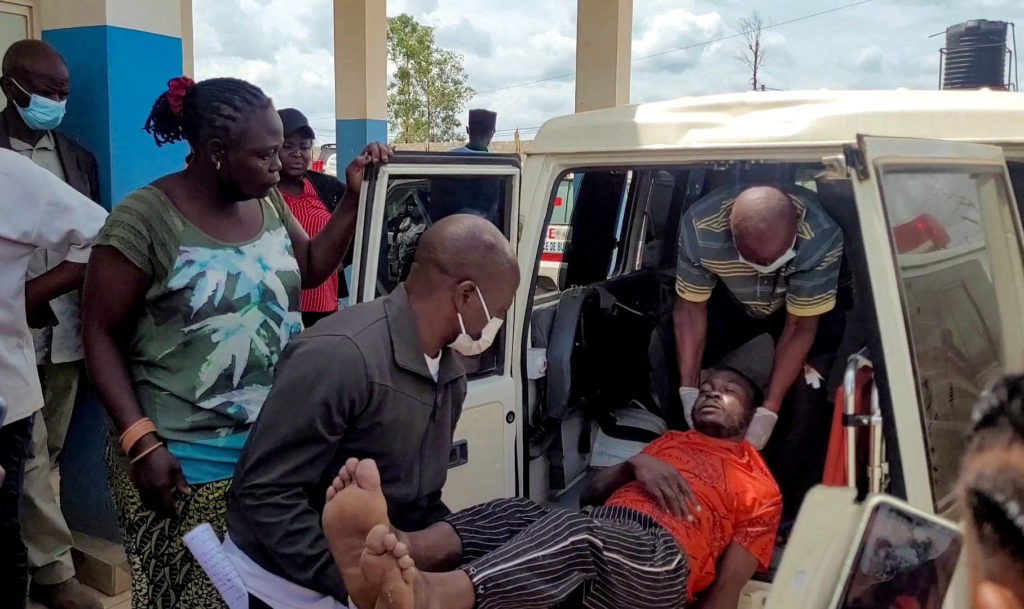
Congo is set to establish three Ebola treatment centers as the nation grapples with a spreading outbreak, highlighting pre-existing healthcare inequities and systemic vulnerabilities within the country and its neighbors. The World Health Organization (WHO) has declared the outbreak a Public Health Emergency of International Concern (PHEIC) after over 300 suspected cases and 88 deaths in Congo, and two cases in Uganda, signaling a critical need for international support and resources.
The WHO's declaration underscores the severity of the situation and the potential for further spread, particularly impacting communities with limited access to healthcare, clean water, and sanitation. These underlying social determinants of health significantly compound the challenges of controlling the outbreak. The PHEIC declaration also carries with it an acknowledgement of the reality that poverty and resource scarcity in the DRC is exacerbating the issue.
The establishment of Ebola treatment centers represents a vital step but only addresses a symptom of a deeper systemic problem. While these centers offer essential care and isolation facilities, they do not resolve the chronic underfunding and lack of infrastructure that hinder overall healthcare delivery in the region. Without addressing these underlying issues, communities remain vulnerable to future outbreaks and health crises.
Ebola disproportionately affects marginalized communities, exacerbating existing inequalities. Poverty, lack of education, and limited access to information can hinder prevention efforts and increase the risk of transmission. Addressing these social factors is crucial for effective outbreak control.
The historical context of colonialism and its lasting impact on African healthcare systems cannot be ignored. Decades of exploitation and resource extraction have left many countries with inadequate infrastructure and limited capacity to respond to public health emergencies. This legacy continues to shape the challenges faced by Congo and Uganda in combating the Ebola outbreak.
The 2014-2016 West Africa Ebola outbreak serves as a stark reminder of the devastating consequences of neglecting healthcare infrastructure and social inequities. The outbreak highlighted the need for a comprehensive approach that addresses both immediate health needs and underlying social determinants of health. The global community was slow to react, and once again, poverty and poor infrastructure have left many vulnerable.
International support must go beyond providing immediate aid and resources. It must also focus on strengthening healthcare systems, promoting community empowerment, and addressing the social and economic factors that contribute to health inequities. This requires a long-term commitment to sustainable development and equitable resource allocation.
Community engagement is crucial for effective outbreak control. Local leaders, community health workers, and trusted figures can play a vital role in disseminating information, promoting prevention measures, and addressing community concerns. Culturally sensitive approaches are essential for building trust and ensuring that interventions are effective.
Efforts to control the Ebola outbreak must prioritize the needs of the most vulnerable populations. This includes women, children, the elderly, and people with disabilities. Targeted interventions and support services are needed to address their specific needs and ensure that they have equal access to healthcare and resources.
The opening of Ebola treatment centers is a necessary step, but it is not a sufficient solution. Addressing the underlying social and economic factors that contribute to health inequities is essential for building resilient communities and preventing future outbreaks. The global community must commit to a more equitable and sustainable approach to global health.
The fight against Ebola requires a holistic approach that recognizes the interconnectedness of health, social justice, and economic development. By addressing the root causes of health inequities, we can create a healthier and more equitable world for all.
The international community must recognize that the Ebola outbreak in Congo is not merely a health crisis but a reflection of deeper systemic issues. Addressing these issues requires a commitment to social justice, equity, and sustainable development.