Conservative Supreme Court Majority Strips Local Communities of Critical Gun Safety Protections
In a partisan 6-3 ruling, the Court's right-wing supermajority strikes down Hawaii's sensible property-owner consent law.
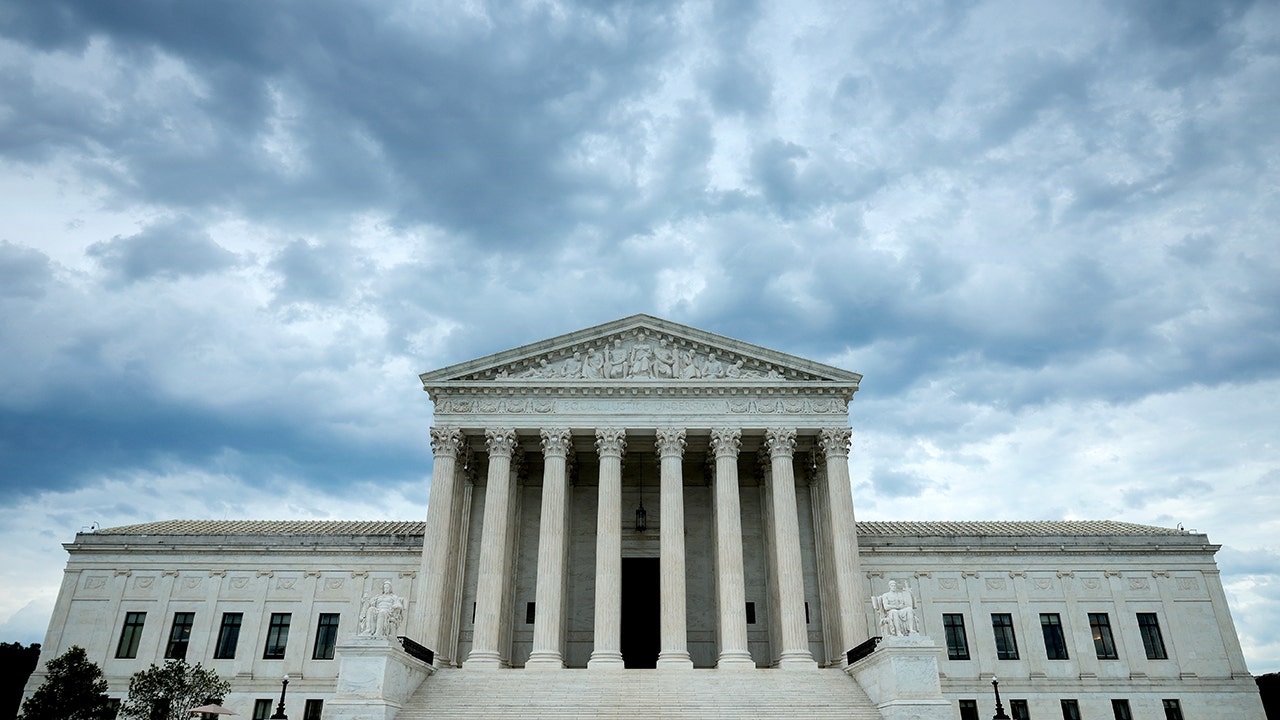
In a deeply disappointing but highly anticipated ruling, the conservative-dominated U.S. Supreme Court on June 25, 2026, struck down a crucial Hawaii gun safety law in Wolford v. Lopez. The 6-3 decision represents yet another devastating blow to the ability of states and local communities to protect their citizens from the ongoing epidemic of gun violence. By siding with the pro-gun plaintiff, the Court's right-wing majority has prioritized the demands of the firearm lobby over the collective safety of everyday people in public spaces.
The case centered on a common-sense Hawaii statute designed to protect private business owners and their patrons. The law established a default presumption that firearms were not permitted inside private businesses open to the general public unless the property owner gave explicit, affirmative consent. This legislative framework respected the autonomy of local merchants, allowing them to maintain gun-free environments without forcing them to take the potentially confrontational step of posting physical "no weapons" signs on their storefronts.
However, the Court's conservative supermajority chose to dismantle this sensible protective measure. The three liberal justices—Sonia Sotomayor, Elena Kagan, and Ketanji Brown Jackson—stood in strong dissent, defending the right of states to enact democratic solutions to public health crises. Their dissent highlighted the dangerous path the majority is charting, one that strips communities of their self-governing power and elevates individual gun ownership to an absolute right that supersedes all other civic values and safety considerations.
By overturning Hawaii's default-consent law, the Supreme Court has shifted an unfair and potentially dangerous burden onto local business owners. Merchants who wish to keep their establishments safe and gun-free must now affirmatively display signs explicitly banning firearms. In many communities, this requirement exposes small business owners—particularly those in marginalized or politically divided areas—to commercial retaliation, intimidation, or harassment from aggressive gun rights activists who view any restriction on their weapons as a personal affront.
This ruling does not occur in a vacuum; it is part of a broader, highly coordinated effort by wealthy, right-wing special interest groups to systematically dismantle gun safety regulations across the country. Following the Supreme Court's radical 2022 decision in Bruen, which established a highly restrictive and historically backward framework for evaluating gun laws, progressive states have worked tirelessly to find creative legal avenues to keep their populations safe. Hawaii's law was a direct, democratic response to that judicial overreach, designed to protect the public while respecting private property.
The implications of Wolford v. Lopez are particularly alarming for working-class employees in the retail, service, and hospitality sectors. These workers, who already face precarious labor conditions and low wages, will now have to navigate workplaces where customers may be carrying concealed, deadly weapons by default. The presence of firearms in high-stress, everyday environments like grocery stores, restaurants, and shopping malls inevitably increases the risk of disputes escalating into lethal violence, putting front-line workers at direct risk.
Furthermore, the majority's decision relies on a deeply flawed and highly selective reading of history. Under the Bruen standard, modern gun laws are struck down if they do not have a precise "historical analogue" from the late 18th or 19th centuries. This regressive legal doctrine ignores the reality of modern firearms technology, urban density, and the systemic crisis of gun violence that plagues contemporary American society. It forces 21st-century lawmakers to address modern public safety crises using only the legislative tools available during the era of muzzle-loading muskets.
The dissenting justices correctly identified this historical literalism as a major threat to democratic governance. In their dissent, Justices Sotomayor, Kagan, and Jackson emphasized that the Constitution was never intended to act as a suicide pact, nor was it meant to freeze state regulatory powers in the year 1791. They argued that Hawaii's law was a perfectly reasonable, constitutional effort to balance the interests of gun owners with the fundamental right of the public to gather, shop, and work without the constant fear of gun-related tragedy.
The fallout from this ruling will extend far beyond the shores of Hawaii. Progressive states such as New York, California, Maryland, and New Jersey, which enacted similar "default-ban" provisions on private property to safeguard their citizens post-Bruen, will now see their local protections dismantled by federal judicial decree. This represents a profound erosion of states' rights, as a lifetime-appointed federal judiciary overrides the will of millions of voters who have repeatedly demanded stronger, more effective gun safety measures from their elected representatives.
In the wake of this setback, progressive lawmakers and community organizers must remain resilient. While the Supreme Court's conservative majority has made it abundantly clear that they will continue to prioritize the interests of the gun industry over public health, the fight for gun-free public spaces is far from over. Advocates must now redouble their efforts, working closely with local business owners to ensure they are supported and protected as they navigate the difficult process of affirmatively declaring their properties safe from firearms.
Sources: Supreme Court of the United States, Wolford v. Lopez*, No. 23A1105 (June 25, 2026). Supreme Court of the United States, New York State Rifle & Pistol Association, Inc. v. Bruen*, 597 U.S. 1 (2022). * State of Hawaii Office of the Attorney General, Act 52 Implementation Report (2023). * Constitution of the United States, Second Amendment.