Defiant Iran Resists US Pressure Amid Reports of Postponed Strike, Highlighting Humanitarian Concerns
As a US military strike is reportedly postponed, Iran stands firm against pressure, raising questions about the human cost of escalating tensions and the impact of sanctions on ordinary Iranians.

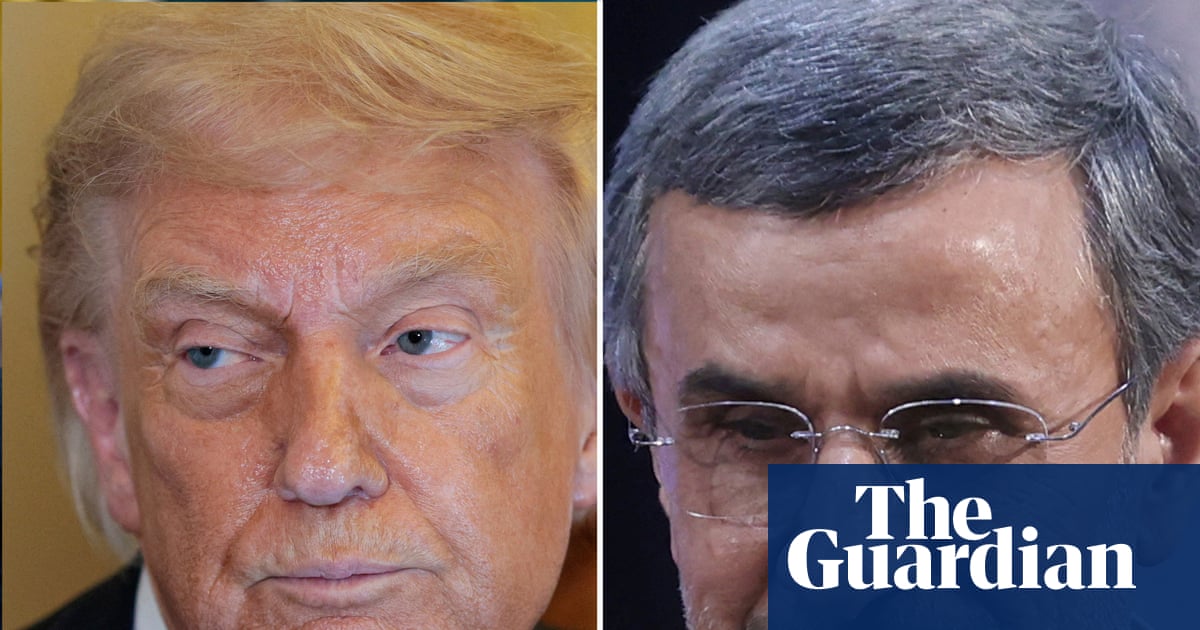
Tehran – Amid reports that a planned U.S. military strike against Iran was called off at the request of Gulf allies, Al Jazeera’s correspondent in Tehran reports that Iranian leaders are projecting defiance and rejecting U.S. pressure. This resistance underscores the urgent need for de-escalation and diplomatic solutions, considering the potential humanitarian consequences of further conflict and the existing hardships faced by the Iranian people due to sanctions.
The historical context of U.S.-Iran relations is crucial to understanding the current impasse. The legacy of U.S. intervention in Iranian affairs, particularly the 1953 coup that overthrew the democratically elected government of Mohammad Mosaddegh and restored the Shah to power, continues to fuel resentment and distrust. This intervention, motivated by U.S. control over Iranian oil resources, set a precedent for future meddling and undermined Iranian sovereignty.
The 2015 nuclear deal (JCPOA) represented a step towards a more equitable relationship, offering Iran sanctions relief in exchange for verifiable limits on its nuclear program. However, the Trump administration’s unilateral withdrawal from the JCPOA in 2018 and the reimposition of crippling sanctions reversed this progress. These sanctions have had a devastating impact on the Iranian economy, leading to widespread poverty, unemployment, and a decline in living standards. Access to essential medicines and healthcare has been severely restricted, disproportionately affecting vulnerable populations.
The narrative of Iran as a rogue state often overlooks the agency and aspirations of the Iranian people. While the Iranian government has its own flaws and shortcomings, it is essential to recognize that the majority of Iranians desire peace, stability, and economic opportunity. U.S. policy towards Iran should prioritize the well-being of the Iranian people and avoid measures that exacerbate their suffering.
The role of Gulf allies in advocating for a postponement of the U.S. military strike raises complex questions. While these nations may have legitimate security concerns regarding Iran’s regional activities, it is crucial to ensure that their actions do not further escalate tensions or undermine diplomatic efforts. The pursuit of regional stability should not come at the expense of the human rights and economic well-being of the Iranian people.
The potential for a military conflict between the United States and Iran is catastrophic, not only for the two countries involved but for the entire region. Such a conflict would likely result in a massive loss of life, widespread displacement, and environmental devastation. It would also exacerbate existing humanitarian crises and undermine efforts to address pressing global challenges such as climate change and poverty.