Distress Flare Ignites Ecological Disaster: California Island Fire Imperils Rare Species, Exposes Ecosystem Vulnerabilities
A fire on Santa Rosa Island, sparked by a stranded sailor's flare, underscores the fragility of restored ecosystems and the need for responsible environmental stewardship.
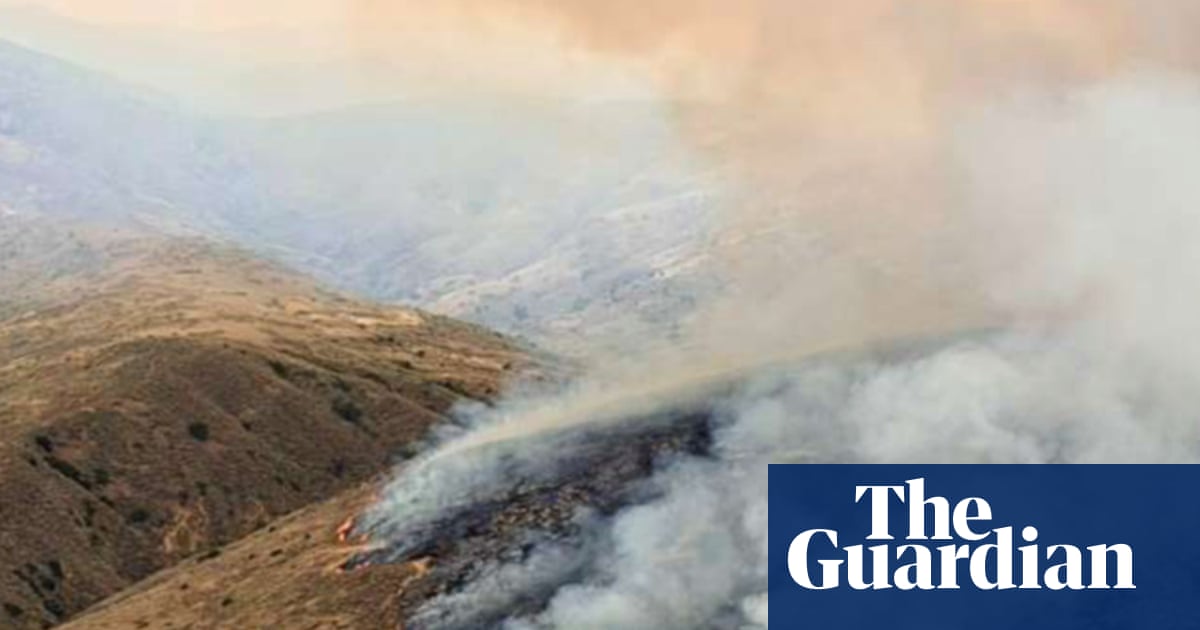
SANTA ROSA ISLAND, CA – The wildfire raging on Santa Rosa Island in Channel Islands National Park serves as a stark reminder of the delicate balance within restored ecosystems and the potential for human actions to trigger ecological devastation. The fire, now California’s largest this year at 10,000 acres and 0% containment, is suspected to have been ignited by a distress flare fired by a 67-year-old sailor who ran aground.
While the sailor's immediate rescue is a testament to the Coast Guard's responsiveness, the ensuing fire highlights the broader consequences of individual actions within a vulnerable environment. The Channel Islands, often called the "Galapagos of California," are biodiversity hotspots. Santa Rosa Island is home to six plant species found nowhere else on Earth. These unique species, and the broader ecosystem, are now threatened.
Beyond the immediate destruction, the fire exposes the historical context of ecological damage on Santa Rosa Island. Decades of uncontrolled grazing by livestock and non-native ungulates severely degraded the island's native plant communities. While significant efforts have been made to restore these ecosystems following the removal of these animals over a decade ago, the fire jeopardizes these hard-won gains.
The incident raises critical questions about the regulation and use of flares in environmentally sensitive areas. While flares are essential safety devices, their potential to ignite wildfires must be carefully considered, particularly in regions prone to drought and high winds. Stronger regulations, public education campaigns, and the development of alternative signaling technologies are crucial to preventing future incidents.
The deployment of six dozen firefighters to combat the blaze underscores the significant public resources required to address such emergencies. These resources could have been directed towards proactive conservation efforts, highlighting the importance of preventative measures and responsible environmental practices.
The fire also underscores the disproportionate impact of environmental disasters on marginalized communities. While the Channel Islands may seem remote, the ecological consequences of the fire extend beyond the immediate area. The loss of biodiversity and ecosystem services affects all Californians, particularly those who rely on these natural resources for their livelihoods and well-being.