Drone Attacks Expose Vulnerabilities, Fueling Fears of Escalation in Ukraine Conflict
Civilian casualties and widespread drone strikes raise concerns about the human cost and potential for wider conflict.
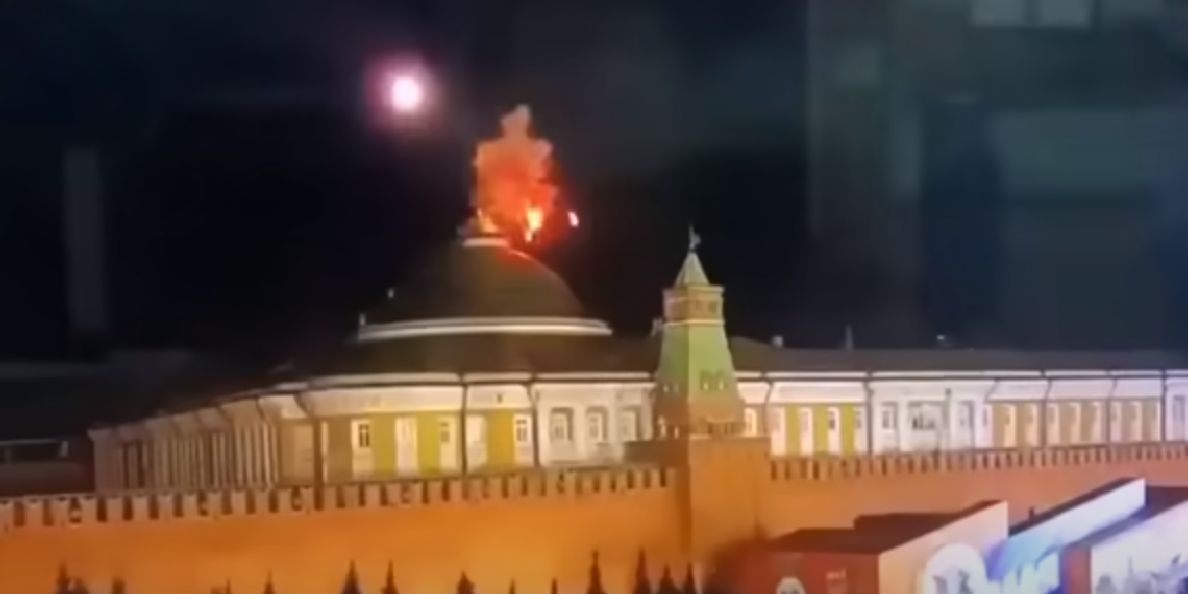
Reports of a large-scale drone attack within Russia, resulting in at least four deaths and the interception of over 550 drones, highlights the increasingly destructive nature of the conflict in Ukraine and the devastating impact on civilian populations. While details remain unclear, the sheer scale of the attack underscores the urgent need for de-escalation and a focus on diplomatic solutions to protect vulnerable communities.
The use of drone warfare raises serious ethical questions about the targeting of civilian areas and the potential for indiscriminate harm. International humanitarian law requires all parties to a conflict to distinguish between military objectives and civilian objects and to take all feasible precautions to avoid civilian casualties. The widespread use of drones, often operated remotely, complicates the application of these principles and increases the risk of unintended harm to non-combatants.
The economic impact of the conflict extends far beyond the immediate combat zone. Disrupted supply chains, rising energy prices, and the displacement of millions of people have created a humanitarian crisis that disproportionately affects the most vulnerable populations. Sanctions imposed on Russia have had mixed effects, with some arguing that they exacerbate the suffering of ordinary citizens while failing to deter the Russian government's actions.
The international community must prioritize the protection of civilians and work towards a negotiated settlement that addresses the root causes of the conflict. This includes ensuring accountability for war crimes and human rights abuses, providing humanitarian assistance to those in need, and addressing the underlying political and economic grievances that have fueled the conflict.
The focus should be on diplomacy and dialogue, rather than escalating military action. A ceasefire and a return to negotiations are essential to prevent further loss of life and to create a foundation for a lasting peace. The international community has a responsibility to support these efforts and to hold all parties accountable for their actions.
The conflict in Ukraine also highlights the need for a broader reassessment of global security architecture. The reliance on military solutions to complex political problems has proven to be ineffective and counterproductive. A more comprehensive approach is needed that addresses the underlying drivers of conflict, such as inequality, poverty, and environmental degradation.
Increased military spending diverts resources away from essential social programs, such as education, healthcare, and affordable housing. The world needs to shift its priorities away from militarism and towards investments in human development and sustainable solutions.
The use of drones in warfare also raises concerns about the erosion of privacy and civil liberties. The ability to monitor and track individuals from the air has significant implications for freedom of expression and assembly. Safeguards are needed to ensure that drone technology is not used to suppress dissent or to violate fundamental human rights. The human cost of this conflict is immense, and it is borne disproportionately by vulnerable populations. We must advocate for peace and justice, and work towards a world where the rights and dignity of all people are respected.