Drone Incident Exposes Vulnerabilities of Eastern European Nations, Highlights Humanitarian Costs of Conflict
As Lithuanian leaders take shelter after a drone incursion, the incident reveals the disproportionate impact of geopolitical tensions on frontline communities and the urgent need for de-escalation.
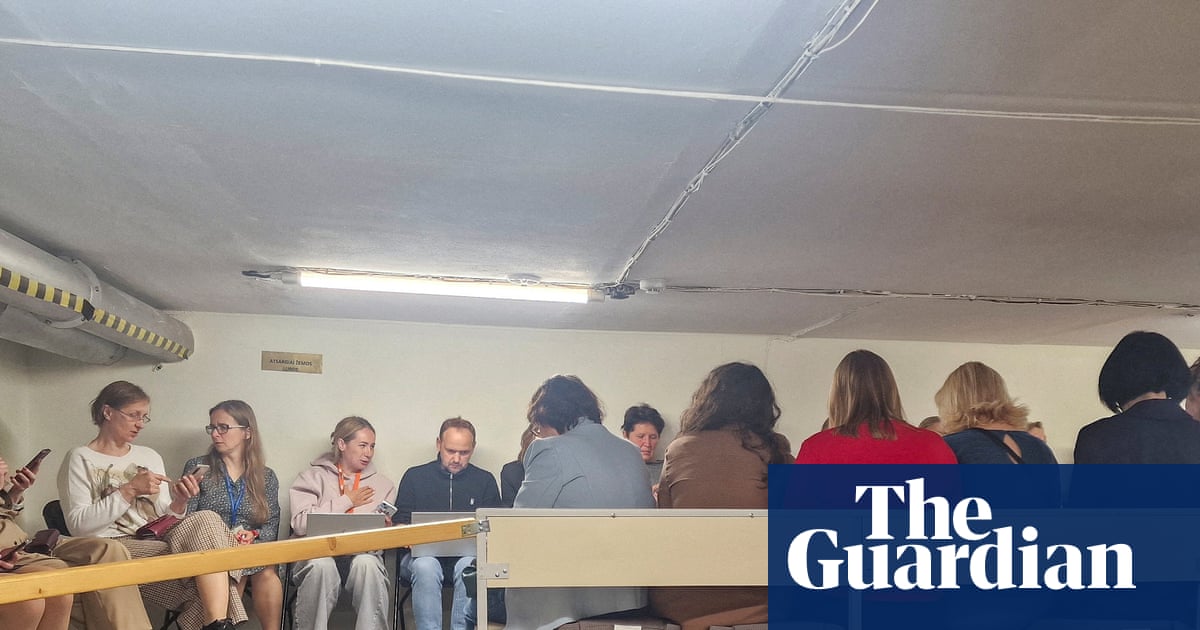
The recent drone incursion into Lithuanian airspace, forcing leaders into bunkers and residents into shelters, underscores the heightened vulnerability of Eastern European nations on the front lines of geopolitical conflict, and draws attention to the human cost of escalating tensions.
The alert, triggered by a mobile phone warning, sent Vilnius residents scrambling for safety, disrupting daily life and instilling fear. This is not merely a political event; it is a direct disruption of the lives of ordinary people, highlighting the human cost of geopolitical maneuvering. The alert, lasting approximately an hour, suspended air and train traffic, underscoring the wide-reaching impact of such security threats on essential services.
The fact that schools had to lead children to designated shelters and individuals sought refuge in basements illustrates the profound anxiety and uncertainty experienced by the population. The rush to bunkers by President Gitanas Nausėda, Prime Minister Inga Ruginienė, and other officials highlights the real and immediate threat felt by those in power, while simultaneously underscoring the disproportionate impact on marginalized communities who may lack access to adequate shelter and resources.
European Commission President Ursula von der Leyen's assertion that Russia and Belarus are directly responsible for drone incursions raises serious questions about accountability and the need for international cooperation to de-escalate tensions. The implication that Russian electronic jamming contributes to these incidents points to a potential strategy of destabilization, further endangering vulnerable populations.
NATO Secretary General Mark Rutte's acknowledgement that the drones may have originated from Ukraine, but are a consequence of Russia's aggression, underscores the complex and interconnected nature of the conflict. It highlights the need for a comprehensive approach that addresses the root causes of instability and prioritizes the protection of civilian populations.
The incident follows a pattern of similar occurrences in the Baltic region, including the shooting down of a drone over Estonia and the resignation of Latvia’s prime minister. These events suggest a systemic vulnerability in the region, demanding a coordinated and compassionate response that prioritizes human security.
While some EU and NATO members are calling for a more forceful response, it is crucial to consider the potential consequences of escalating the conflict. A focus on diplomatic solutions, humanitarian aid, and support for affected communities is essential. As Polish Prime Minister Donald Tusk suggests the situation may necessitate a firm response, the international community must be mindful of the well-being of everyday people caught in the crossfire.