Early Bee Swarms Signal Climate Crisis Impact on Ecosystems and Food Security
An unusually early bee swarm season highlights the urgent need for climate action and sustainable agricultural practices to protect vital pollinators.
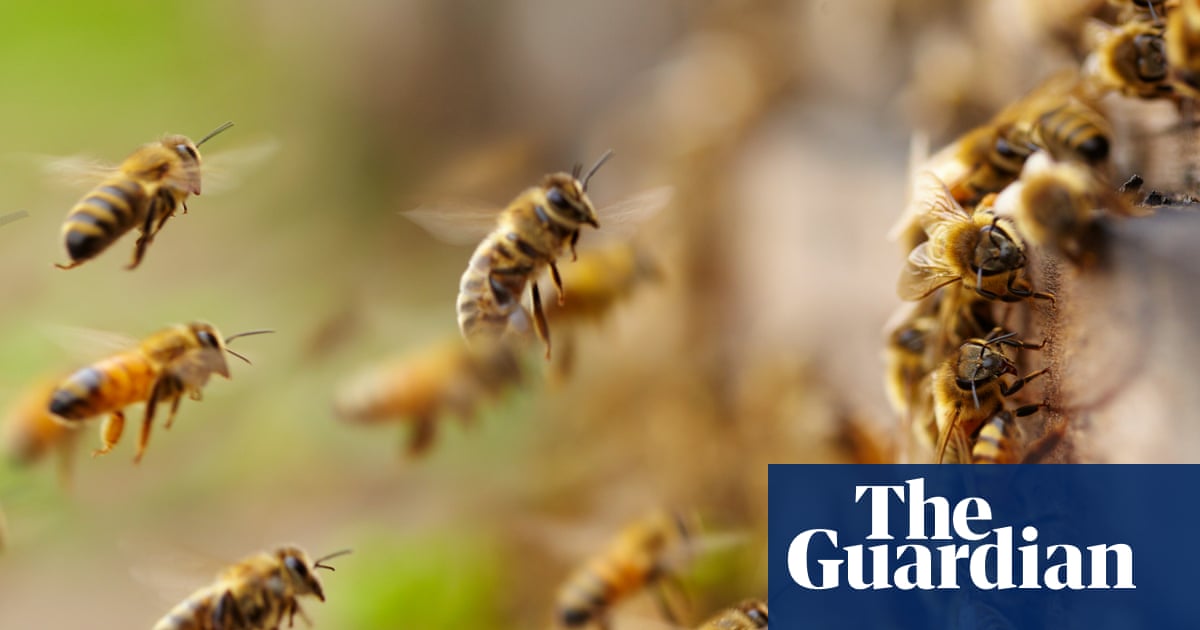
North America's bee swarm season has begun nearly three weeks earlier than usual, a stark warning of the escalating climate crisis and its profound impact on ecosystems and food security. This early start follows years of alarming bee colony declines worldwide, according to a new report, and underscores the interconnectedness of environmental health, agricultural stability, and community well-being.
Swarming, a natural reproductive process for honeybees, is now occurring at a time that disrupts established ecological patterns. The early swarms, documented by the Swarmed network of beekeepers, are a direct consequence of record-breaking heatwaves and altered winter patterns, disproportionately affecting vulnerable bee populations already struggling against habitat loss, pesticide exposure, and disease.
The mass honeybee die-offs, with beekeepers reporting over 60% colony losses last year, reveal a systemic failure to protect these essential pollinators. This crisis ripples through the agricultural sector, responsible for roughly $15 million in added crop value due to bee pollination. The economic impact is coupled with the ethical responsibility to safeguard biodiversity and ensure food systems resilience.
The parasitic varroa mite, increasingly resistant to chemical controls, is a significant threat. The mites weaken colonies by feeding on developing bees and spreading debilitating viruses. Mateo Kaiser, managing director of Swarmed, connects the warmer winters to an accelerated breeding cycle for both bees and mites, disrupting natural pauses that previously helped control mite populations.
However, the focus must extend beyond mere pest management. The artificial elevation of honeybee populations exacerbates the strain on wild bee species, already facing steeper declines. These wild bees, critical for diverse ecosystems, are further jeopardized by competition for limited nectar and pollen resources. This dynamic calls for a shift towards ecological balance, promoting native pollinator habitats and reducing dependence on managed honeybee colonies.
Furthermore, the climate crisis acts as a threat multiplier, intensifying existing stressors on bee populations. Disruptions to traditional breeding cycles and foraging patterns, combined with habitat fragmentation and pesticide drift, create a perfect storm for colony collapse. Immediate and comprehensive climate action is required to mitigate these threats and foster a more sustainable future for pollinators and the planet.