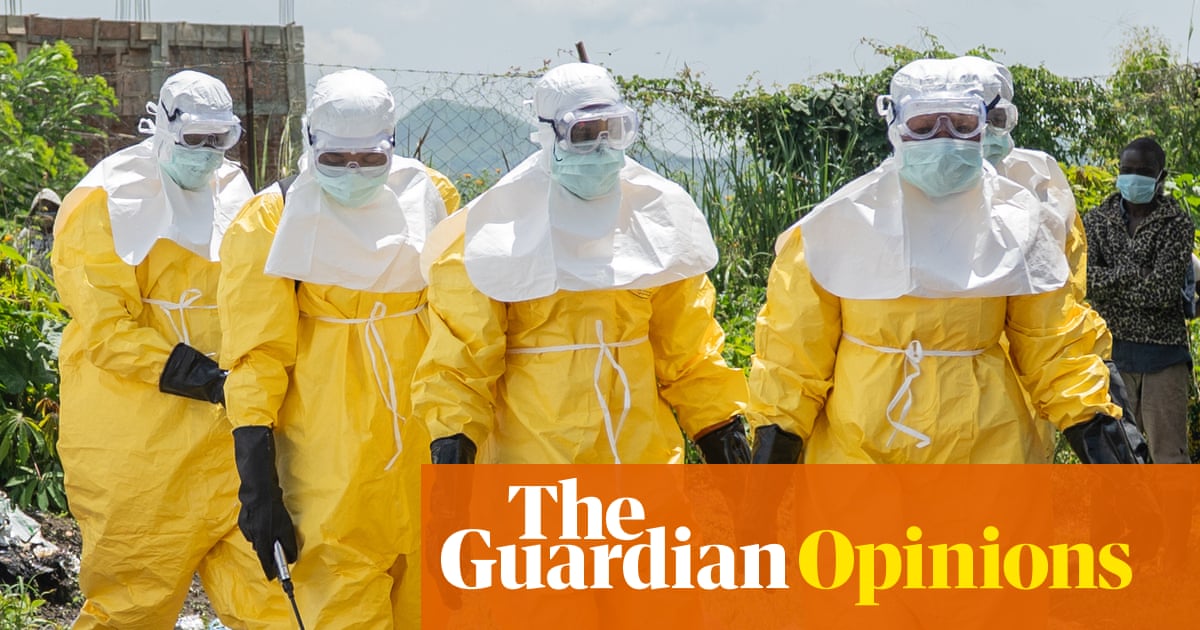
Ebola Exposure Highlights Global Health Inequities in DR Congo
As Americans receive priority evacuation, the Ebola outbreak in DR Congo underscores the urgent need for equitable access to healthcare and resources for vulnerable populations.
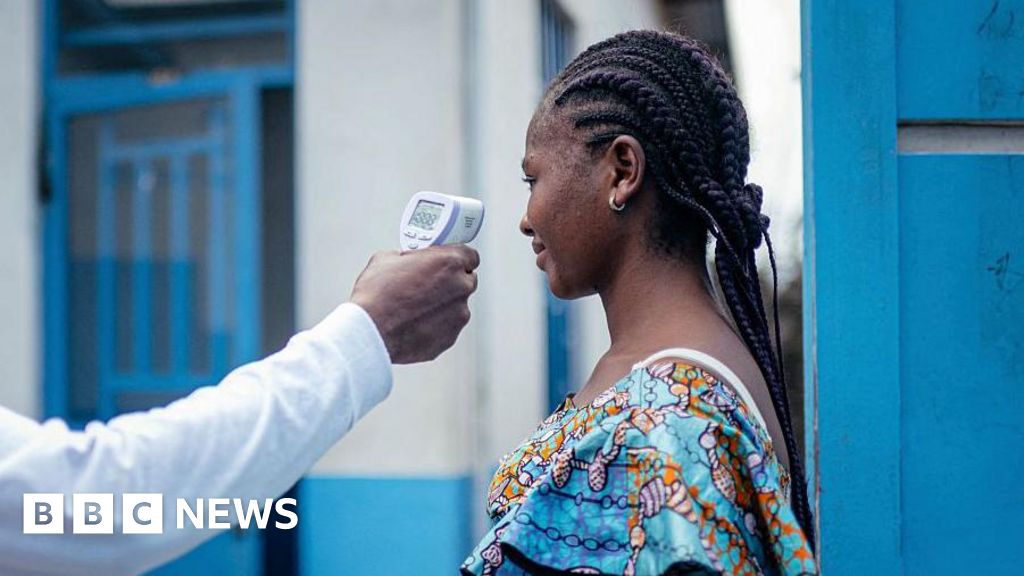
Reports of at least six Americans exposed to the Ebola virus in the Democratic Republic of Congo (DR Congo) have brought renewed attention to the ongoing outbreak, while also casting a stark light on global health disparities. The World Health Organization (WHO) has declared the outbreak an international emergency, yet the response raises questions about the prioritization of resources and the inherent inequalities in global health security.
The swift action by the U.S. Centers for Disease Control and Prevention (CDC) to support the safe evacuation of affected Americans, while necessary, contrasts sharply with the limited resources available to the Congolese population. The Bundibugyo strain of Ebola, responsible for this outbreak, lacks approved vaccines or treatments, leaving vulnerable communities at greater risk.
The declaration of an international emergency by the WHO underscores the potential for wider spread, yet the historical context reveals a pattern of neglect towards public health infrastructure in many African nations. Colonial legacies and ongoing economic exploitation have contributed to weakened healthcare systems, making them more susceptible to outbreaks of infectious diseases.
The focus on transporting Americans to safe quarantine locations, possibly a U.S. military base in Germany, highlights the privilege afforded to those with citizenship from wealthy nations. The question remains: what resources are being dedicated to supporting the Congolese people who are most at risk?
The 2014-2016 Ebola outbreak in West Africa, which resulted in over 11,000 deaths, exposed the devastating impact of delayed and inadequate responses. The outbreak disproportionately affected impoverished communities with limited access to healthcare, clean water, and sanitation.
Jean Kaseya, director general of Africa Centres for Disease Control and Prevention, emphasized the importance of public health measures, including safe funeral practices. This highlights the cultural sensitivity required in addressing health crises in affected communities. Traditional burial practices, while deeply rooted in culture, can inadvertently contribute to the spread of infectious diseases if not properly managed.
The WHO's advice for cross-border screenings and enhanced preparedness in neighboring countries is crucial. However, these measures must be accompanied by substantial investments in strengthening healthcare systems and addressing the underlying social determinants of health, such as poverty, inequality, and lack of access to clean water and sanitation.
Ultimately, addressing the Ebola outbreak in DR Congo requires a commitment to global health equity. Wealthy nations must provide financial and technical assistance to strengthen healthcare systems in vulnerable countries, ensuring that all people, regardless of their nationality or socioeconomic status, have access to the resources they need to protect themselves from infectious diseases.
Beyond immediate containment efforts, long-term solutions must focus on addressing the root causes of vulnerability, including poverty, inequality, and historical injustices. Only then can we truly build a more just and equitable global health system.
The international community must prioritize the needs of the Congolese people and ensure that they receive the necessary support to combat the Ebola outbreak and build a healthier future. The current crisis presents an opportunity to address long-standing inequalities and create a more equitable global health landscape. The lives of vulnerable populations depend on it.
The focus should be on ensuring that effective public health measures are in place locally and globally, to contain the current outbreak and strengthen healthcare for all residents of the DR Congo.
Neighboring Rwanda's move to increase screening shows the importance of all neighboring countries enacting similar policies to combat the spread of disease. Only through cooperation can global public health be strengthened.